Saturday | 13 June 2026 | Reg No- 06

| BREAKING: |
File Photo
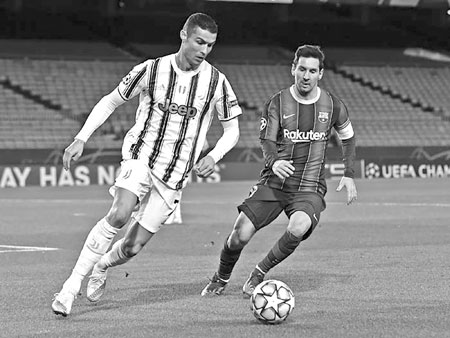
As the 2026 FIFA World Cup unfolds across North America, a remarkable group of veteran footballers is challenging long-held assumptions about age and performance at the highest level of the sport.
Among them are some of football's biggest names, including Cristiano Ronaldo, Lionel Messi, Luka Modric, Edin Dzeko, Yuto Nagatomo and United States captain Tim Ream. Their presence in the tournament highlights a growing trend: elite players are extending their careers well beyond what was once considered the norm.
Ream, now 38 and captaining the United States on home soil, represents a generation of players benefiting from advances in sports science, recovery methods and professional conditioning. Yet experts argue that longevity in modern football cannot be explained by technology alone.
Researchers and performance specialists point to a broader combination of factors. Improved nutrition, sleep management, injury prevention programs and individualized training have all contributed to longer careers. At the same time, mental resilience, adaptability and a willingness to embrace evolving roles within teams have become increasingly important.
Football has traditionally been viewed as a sport where players peak before the age of 30, with physical attributes such as speed and explosiveness gradually declining afterward. However, veteran players are finding new ways to remain effective, often relying on experience, positioning, decision-making and leadership to compensate for physical changes.
Industry experts also note that successful long-term careers are frequently supported by strong relationships with coaches, supportive club environments and a continuous desire to learn. Older players who maintain influence both on and off the pitch can provide value that extends beyond statistics.
The trend is particularly visible at World Cup 2026, where an unusually large number of outfield players are competing in their late 30s and even into their 40s. Their participation reflects how professional football has evolved over the past two decades, with clubs investing heavily in performance analysis, recovery technologies and athlete welfare.
For many of these veterans, however, motivation remains the defining factor. Continuing to perform at the elite level requires discipline, sacrifice and a commitment to routines developed over many years. Family support, personal ambition and a lasting passion for the game often play as significant a role as any scientific breakthrough.
As football continues to modernize, the careers of players such as Ronaldo, Messi, Modric and Ream may offer a glimpse into the futureâ€"one in which elite athletes remain competitive far longer than previous generations imagined.
Source: Reporting and interviews originally published by Al Jazeera on June 7, 2026.