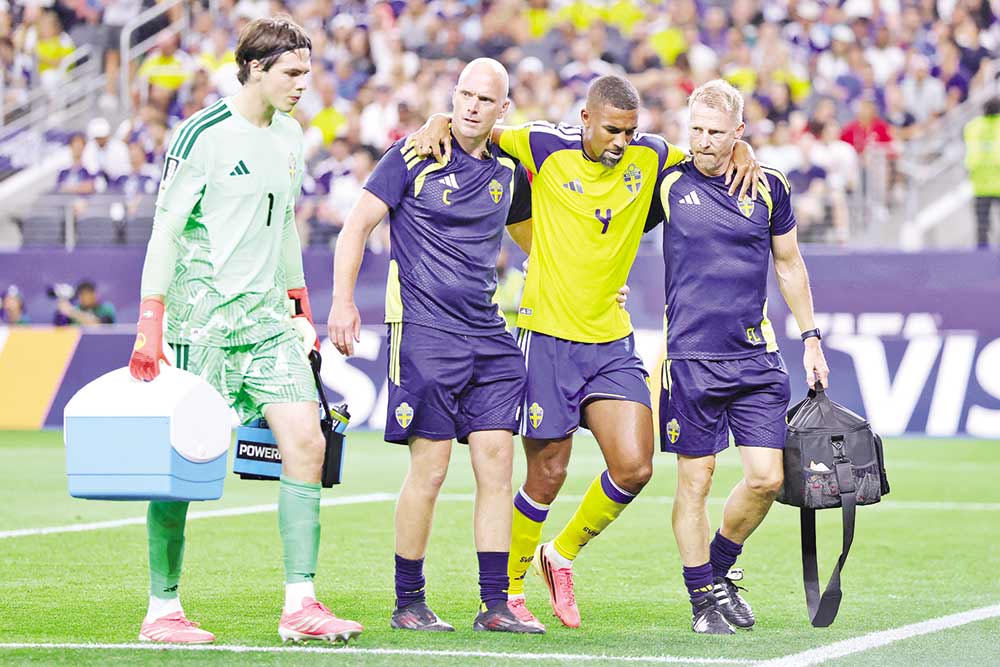
While fans measure success in goals, assists and dramatic victories, another contest quietly shapes the outcome of every FIFA World Cup. It takes place not inside packed stadiums, but in recovery rooms, medical centres and team hotels, where players prepare their bodies for the relentless demands of tournament football.
With matches arriving every three or four days, recovery has become as important as tactics. Modern football leaves little time for players to rest, forcing national teams to rely on science, technology and meticulous planning to keep their squads fresh throughout the competition.
The recovery process begins almost immediately after the final whistle. Players typically undergo light jogging and stretching before moving into ice baths or cold-water therapy to reduce muscle soreness and inflammation. Physiotherapists then assess every player individually, identifying signs of fatigue or minor injuries that could become more serious if left untreated.
Sleep has emerged as one of the most valuable tools in modern football. Team medical staff carefully monitor players' sleeping patterns, recognising that quality rest accelerates muscle repair, sharpens concentration and improves overall performance. Many teams create quiet, controlled environments in hotels to help players recover physically and mentally between matches.
Nutrition is another critical part of the process. Recovery meals rich in protein help repair muscle tissue, while carefully balanced carbohydrates restore depleted energy levels. Hydration is monitored throughout the day, particularly after high-intensity matches played in warm conditions, ensuring players remain physically prepared for the next challenge.
Technology now plays an equally important role. GPS tracking devices worn during training and matches provide coaches and sports scientists with detailed information on distance covered, sprint intensity, workload and physical stress. The data allows coaching staff to adjust training sessions, reduce injury risks and decide when certain players need additional rest.
Medical teams also conduct continuous health assessments throughout the tournament. Minor knocks, muscle tightness and signs of fatigue are treated immediately, preventing small problems from developing into injuries that could end a player's World Cup campaign.
Coaches increasingly acknowledge that winning a tournament requires more than technical quality. Squad rotation, workload management and effective recovery strategies often prove just as decisive as tactical decisions made on the touchline. Teams that preserve the fitness of key players usually gain a crucial advantage as the competition reaches its decisive stages.
As the World Cup progresses, the physical demands become even greater. Every sprint, tackle and extra-time battle places additional strain on tired bodies. In such circumstances, recovery is no longer simply a medical routine-it becomes a competitive weapon.
The biggest matches may be decided by moments of brilliance on the pitch, but those moments are often made possible by the unseen work carried out behind the scenes. In modern tournament football, the road to lifting the World Cup trophy is built not only on talent and determination, but also on the science of recovery.





