



| HEADLINE |

|

Iran to embrace 3,000 deaths at Khamenei janaza, new graves prepared


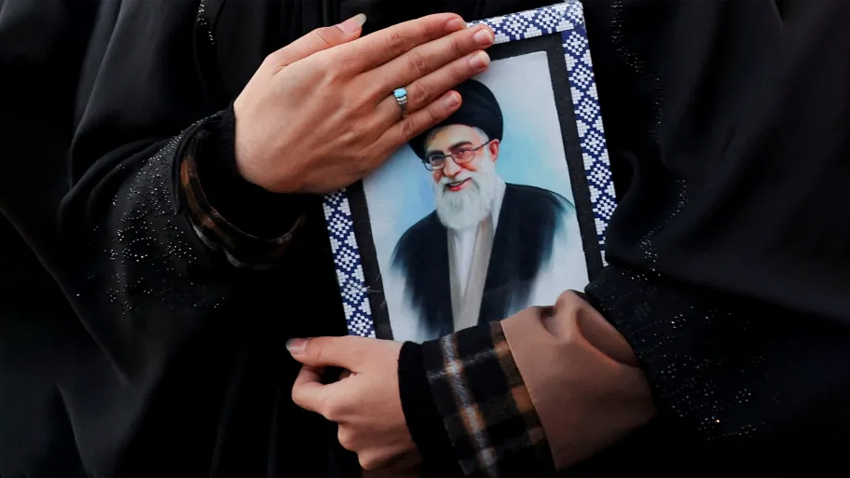
File Photo
The authorities of Iran are preparing for a possibility that Ali Khamenei’s week-long janaza ceremonies can leave between 1,500 and 3,000 people dead, Germany’s WELT reported, citing a classified document and municipal sources in Tehran.
The report, written from Tehran by an anonymous author whose identity is known to WELT’s editors, said officials have drawn up contingency plans for a possible mass-casualty disaster during the processions for the slain former Supreme Leader, reports Iran International.
According to WELT, a classified letter from the Iranian Red Crescent and the national crisis management organization to First Vice President Mohammad-Reza Aref projected between 1,500 and 3,000 possible deaths.
A Tehran municipality employee, quoted anonymously by WELT for security reasons, said emergency preparations had been confirmed by colleagues working in the city’s crisis headquarters. The employee claimed that the graves had already been prepared and that officials were instructed to plan for as many as 3,000 deaths, citing concerns over the combination of massive crowds and intense summer heat.
Janaza ceremonies of the leader began in Tehran on Saturday and are scheduled to continue in Qom before moving to the Iraqi holy cities of Najaf and Karbala. The final burial is expected to take place in Mashhad on Thursday.
According to the report, authorities are carrying out one of the country's largest logistical and security operations in recent years. Plans reportedly include traffic restrictions, possible disruptions to air travel, the deployment of thousands of buses, temporary public kitchens and the use of schools and mosques to accommodate visitors.
Iranian officials are said to expect as many as 20 million participants throughout the ceremonies, although the figure has not been independently verified and is often viewed as part of the government's portrayal of strong public support for state events.
The report identifies Tehran Municipality, led by Mayor Alireza Zakani, as a key organizer of the operation. Around 11,000 buses have reportedly been assigned for transportation, while metro and bus rapid transit services are expected to operate free of charge around the clock.
Municipal sources told WELT that each district of Tehran has been allocated between €500,000 and €650,000 for the three-day ceremonies, excluding additional funding for emergency services, transport agencies, parks authorities and construction departments.
Journalists cited by the newspaper estimated that janaza-related spending could reach approximately €15 million in Tehran alone, with another €5 million each expected to be spent in Qom and Mashhad. With additional ceremonies planned in Najaf and Karbala, the report suggests the event could become one of the costliest state janazas in modern history.
The scale of the preparations has drawn attention because of Iran's history of deadly crowd disasters during major janazas. In 2020, at least 56 people were killed and more than 200 injured in a stampede during the janaza of IRGC commander Qasem Soleimani in Kerman. Earlier, the 1989 janaza of Ruhollah Khomeini also witnessed chaos that left at least eight people dead and hundreds injured.
WELT also reported growing political tensions surrounding the ceremonies. According to the newspaper, hardline supporters of the Islamic Republic have used nightly gatherings to condemn the recent US-Iran memorandum and issue threats against senior officials involved in negotiations, including Foreign Minister Abbas Araghchi and Parliament Speaker Mohammad Bagher Ghalibaf.
The report further says that some participants have called for continued military action in response to Khamenei's killing, while videos circulating online allegedly show hardline religious figures delivering militant speeches and attendees carrying rifles.
The janaza ceremonies are taking place against the backdrop of a fragile ceasefire, while criticism has grown over the financial cost of the events, the country's economic difficulties and the government's extensive use of public resources to organize the state ceremonies.



Published by the Editor on behalf of the Observer Ltd. from Globe Printers, 24/A, New Eskaton Road, Ramna, Dhaka.
Editorial, News and Commercial Offices : Aziz Bhaban (2nd floor), 93, Motijheel C/A, Dhaka-1000.
Phone: PABX- 41053001-06; Advertisement: 41053012; 01793317829, 01550707291, E-mail: [email protected], [email protected] Online: email: [email protected] 41053014; 01550707297 Advertisement: 01550707296


