



| HEADLINE |

|
Bangladesh among hardest hit by Middle East energy crisis: IEA


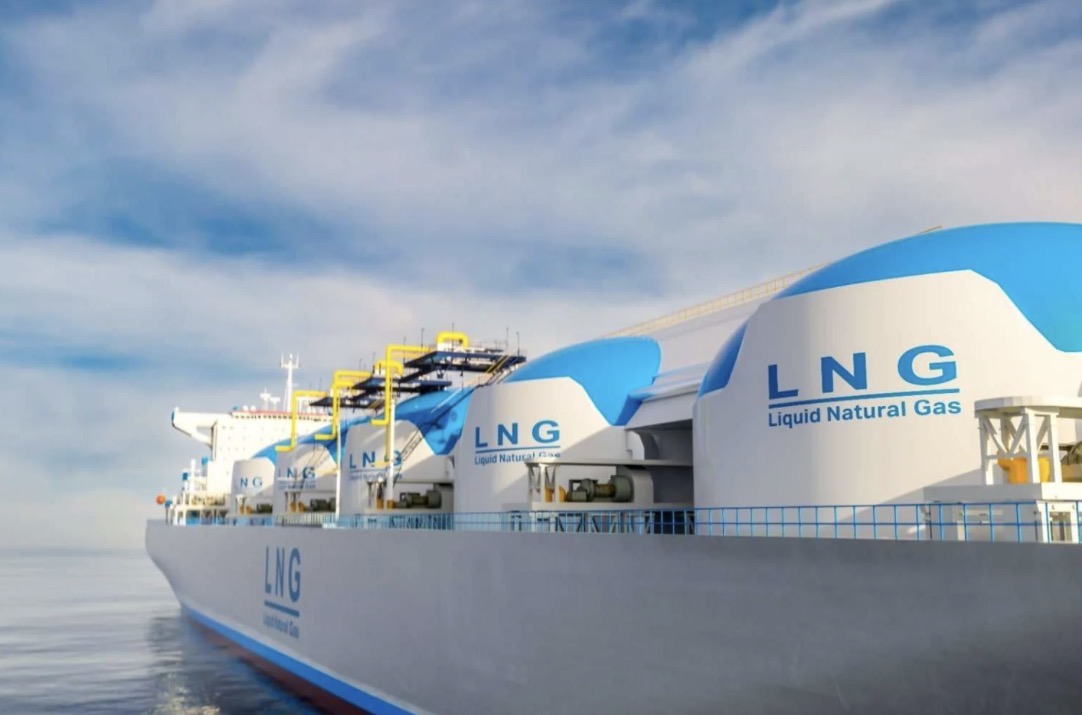
Bangladesh is among the countries most affected by the ongoing Middle East crisis due to its heavy reliance on imported liquefied natural gas (LNG), according to the International Energy Agency (IEA).
In its Electricity Mid-Year Update 2026, published on Thursday, the IEA said disruptions to LNG shipments through the Strait of Hormuz have driven up fuel costs, forcing countries such as Bangladesh and Pakistan to adopt energy-saving measures and curb electricity consumption.
The report noted that higher LNG prices and supply uncertainty have increased power generation costs, putting additional pressure on Bangladesh’s electricity sector. The IEA warned that electricity demand in the country is likely to remain under strain throughout 2026.
Globally, electricity demand is expected to continue rising, driven by expanding industrial activity, growing use of electric vehicles, increased air-conditioning demand and the rapid growth of data centres.
The IEA forecasts global electricity demand to grow by 3.6% in 2026 and 3.8% in 2027, up from 3% in 2025. It also said natural gas prices in Asia and Europe surged to their highest levels since the 2022�"23 energy crisis following disruptions to LNG transit through the Strait of Hormuz.
While additional LNG supplies from North America have eased some market pressure, persistently high gas prices have prompted several countries in Asia and Europe to increase coal-fired power generation, the report added.
SKS




Published by the Editor on behalf of the Observer Ltd. from Globe Printers, 24/A, New Eskaton Road, Ramna, Dhaka.
Editorial, News and Commercial Offices : Aziz Bhaban (2nd floor), 93, Motijheel C/A, Dhaka-1000.
Phone: PABX- 41053001-06; Advertisement: 41053012; 01793317829, 01550707291, E-mail: [email protected], [email protected] Online: email: [email protected] 41053014; 01550707297 Advertisement: 01550707296


