



| HEADLINE |

|

Paddy prices plunge in Naogaon, farmers bear the brunt
Published : Monday, 21 September, 2026 at 12:00 AM
Our Correspondent


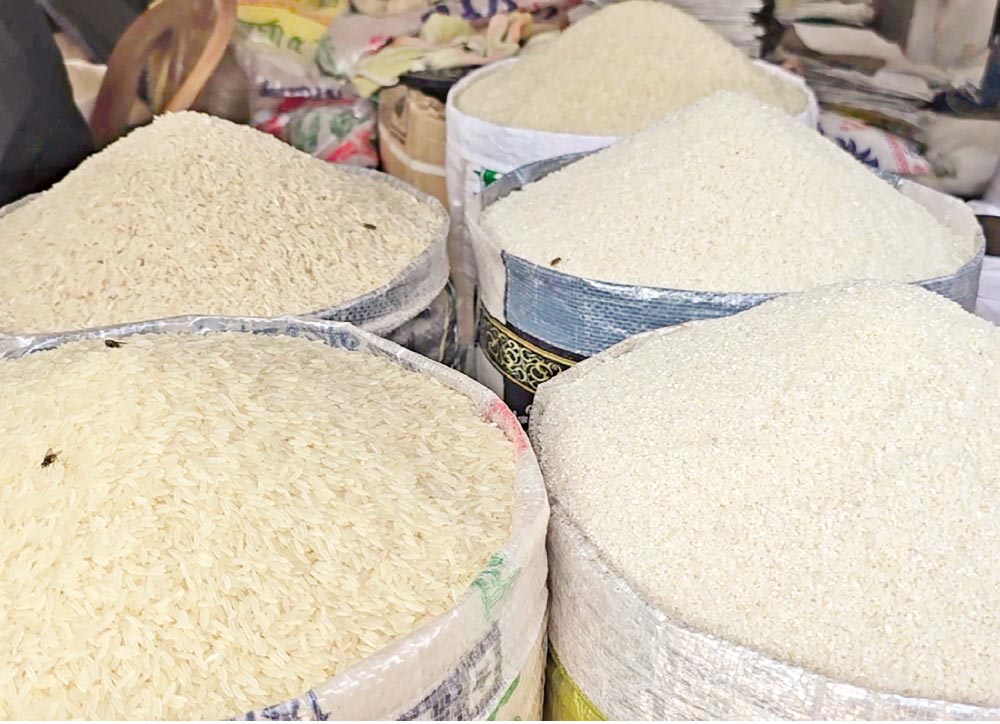 NAOGAON, Sept 20: Prices of paddy and rice have been falling in Naogaon, one of the country's largest rice trading hubs, as supply continues to outstrip demand and imported rice remains sufficiently stocked.
While lower rice prices have brought some relief to consumers, the fall in paddy prices has left local farmers facing mounting losses.
The price of Aus paddy, including Parija and BRRI Dhan-48, has fallen by up to Tk 50 a maund in just one week. Traders said wholesale rice sales at the Naogaon market have slowed, causing stocks to pile up in mill warehouses.
As local demand has weakened, traders are pushing rice to buyers in Dhaka and Chattogram, a practice they describe as “pushing sales”. With supply exceeding demand, some traders are selling rice to outside buyers at losses of Tk 1�"2 a kilogram.
Farhad Hossain Chowdhury, General Secretary of the district rice mill owners' group, said excessive rice imports during the interim government last year had left the country with sufficient stocks.
“As a result, demand for rice at the wholesale market has fallen. Paddy and rice prices are now at their lowest level for this period in the last three to four years,” he said.
With weak demand for rice, millers have reduced paddy purchases, causing Aus paddy prices to fall sharply, he added.
He urged the government to purchase rice or paddy during the Aus season as well so that farmers can get fair prices.
“Only proper government initiatives can protect both farmers and traders,” he said.
He also pointed to a recent decision to cut the export quota for aromatic rice by 50 percent, saying it had contributed to a fall of Tk 30�"40 a kilogram in the price of aromatic rice.
Local paddy and rice traders said Parija and BRRI Dhan-48 paddy are currently selling for Tk 700�"800 a maund in Naogaon, down from Tk 800�"850 a week ago.
At the same time last year, the varieties fetched Tk 1,000�"1,050 a maund.
Katari paddy, produced during the last Boro season, is now selling for Tk 1,600�"1,700 a maund, compared with Tk 1,800�"1,900 a year ago.
Jira paddy is fetching Tk 1,200�"1,300 a maund, down from Tk 1,600�"1,700 during the same period last year. Thus, prices of Aus, Katari and Jira paddy have all declined significantly, with Jira recording the steepest drop of up to Tk 400 a maund.
Rice prices have also fallen.
Jira rice is currently selling wholesale for Tk 56�"61 a kilogram, while Katari rice is priced at Tk 73�"74. Traders said prices of both varieties have fallen by around Tk 2 a kilogram over the past week and by Tk 3�"5 over the past month.
Swarna, a variety commonly known as coarse rice, is now selling for Tk 42�"44 a kilogram, compared with Tk 46�"48 a week ago.
Meanwhile, the district administration has warned rice millers to maintain rice quality and food safety.
At a meeting with rice mill owners at the deputy commissioner's conference room on Thursday, Deputy Commissioner Mohammad Saiful Islam and District Food Controller Md Farhad Khondkar, along with officials from the food, agriculture and other government departments, discussed the market situation.
The deputy commissioner warned millers against artificially adding fragrance to rice.
“There are allegations that artificial fragrance is being added to rice. This kind of deception will not be tolerated,” he said.
He also instructed millers not to use the harmful chemical “hydros” to whiten rice.
Millers were encouraged to purchase paddy so that farmers could get fair prices. The administration also assured them of government support for setting up private biofuel plants using varieties such as Aus paddy that have weak market demand.
Farhad Khondkar, District Food Controller, said rice stocks in the country were currently sufficient and there was no likelihood of rice prices rising over the next three months.
“There is no supply shortage due to adequate stocks. If any trader illegally hoards rice and tries to create an artificial shortage to raise prices, drives will be conducted and strict action will be taken,” he said.
He said officials were also considering how farmers could recover their production costs amid falling paddy prices.
The government has advised traders to explore bio-fuel production from paddy alongside government rice procurement during the Aus season, he said, adding that the government would provide support for such initiatives.

Loading...
Loading...
Also read


Editor : Iqbal Sobhan Chowdhury
Published by the Editor on behalf of the Observer Ltd. from Globe Printers, 24/A, New Eskaton Road, Ramna, Dhaka.
Editorial, News and Commercial Offices : Aziz Bhaban (2nd floor), 93, Motijheel C/A, Dhaka-1000.
Phone: PABX- 41053001-06; Advertisement: 41053012; 01793317829, 01550707291, E-mail: [email protected], [email protected] Online: email: [email protected] 41053014; 01550707297 Advertisement: 01550707296
Published by the Editor on behalf of the Observer Ltd. from Globe Printers, 24/A, New Eskaton Road, Ramna, Dhaka.
Editorial, News and Commercial Offices : Aziz Bhaban (2nd floor), 93, Motijheel C/A, Dhaka-1000.
Phone: PABX- 41053001-06; Advertisement: 41053012; 01793317829, 01550707291, E-mail: [email protected], [email protected] Online: email: [email protected] 41053014; 01550707297 Advertisement: 01550707296


