



| HEADLINE |

|

Bangladesh to showcase Eits jute industry AT COP31



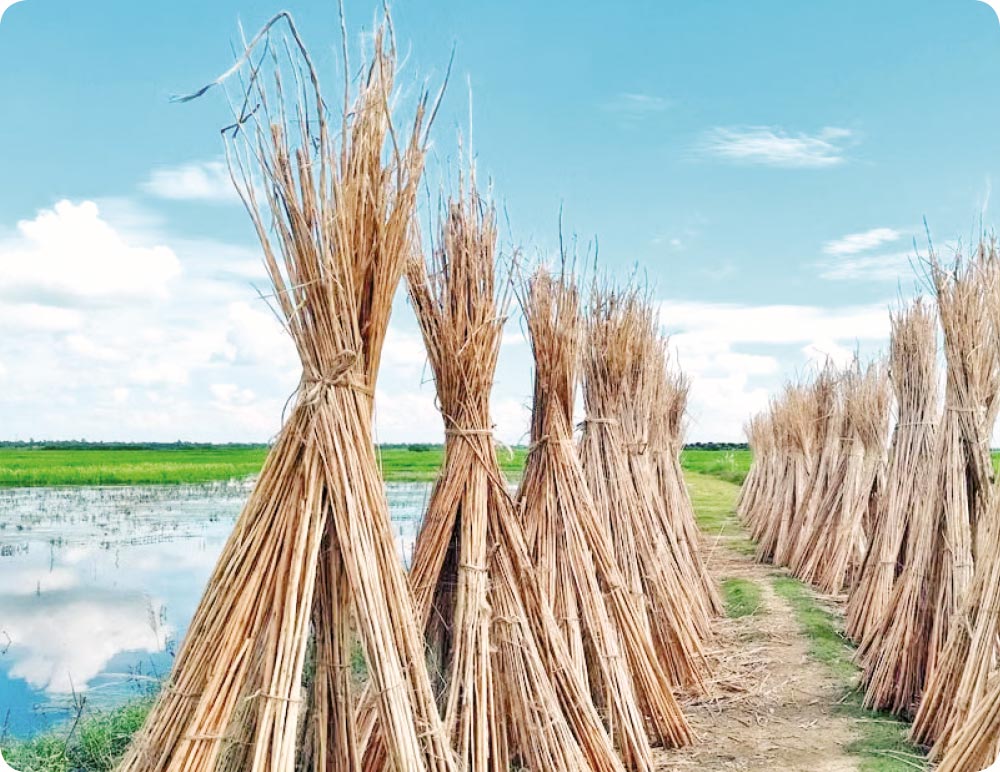
Bangladesh is preparing to press for climate justice, predictable international finance and a just transition at next month’s COP31 climate summit in Türkiye, while showcasing its jute industry as a sustainable alternative to plastic.
Known as the country’s “golden fibre”, jute is renewable and biodegradable, offering opportunities for environmentally responsible manufacturing, international trade and reduced dependence on conventional plastic products. The planned exhibition will seek to promote Bangladesh’s natural fibre industry among international policymakers, investors and businesses exploring sustainable production and consumption.
As per government plan, Bangladesh to establish a dedicated pavilion at COP31 to showcase jute-based products, related technologies and their commercial potential as sustainable alternatives to plastic.
In recent times, Bangladesh has prioritised the production of environmentally sustainable jute bags to replace plastic bags in transportation and marketing. The feasibility of mandatory jute packaging has been dependent on consumer awareness and economic factors. Despite its eco-friendly nature, jute's practical application and cost-effectiveness in modern packaging solutions are essentially considered.
The introduction of mandatory jute packaging is not just an environmental initiative, but also a significant economic opportunity. It will positively impact the economy by creating employment, particularly in rural areas, and potentially reducing poverty. The Export Promotion Bureau (EPB) reported that the export of jute and jute products earned $912 million in FY2022-23. This indicates that a rise in demand for jute sacks will not only promote production, but also safeguard the jute industry, thereby protecting the environment.
Bangladesh enacted the Mandatory Jute Packaging Act, 2010 to address this situation. This law is aimed at reducing the use of single-use plastic bags and protect against environmental pollution. Section 4 of the act states that no product prescribed under this act can be sold, distributed or supplied without being wrapped in jute packaging.
As per Section 12 of the act, any product packaged violating the law will be confiscated. And according to Section 14, if any person who violates the law and instead uses artificial wrapping for selling, distributing or supplying products prescribed under the law, they will be subject to imprisonment not exceeding one year or a fine not exceeding Tk 50,000 or both.
Knowing the reality that polythene is non-biodegradable. Burning polythene releases harmful gases but people are not stopping the use of it. World Bank report said from December 2021, there was a significant increase in daily plastic waste generation in Dhaka, from 178 tonnes in 2005 to 646 tonnes in 2021. And around 1,500 factories are engaging in producing polythene.
Experts said to ensure compliance, it is crucial that the government amends the existing law to require jute packaging for all mills and imposes stricter penalties, including licence revocation. And remember that due to the influence of unscrupulous traders and polythene factory owners, these factories cannot be closed outright. As it provides employment to many people, and sudden closure could lead to a spike in unemployment, which would be detrimental to the country's economy. Even if the government decides to close these factories, it must be done gradually and thoughtfully. And replace jute there.

Loading...
Loading...
Also read



Editor : Iqbal Sobhan Chowdhury
Published by the Editor on behalf of the Observer Ltd. from Globe Printers, 24/A, New Eskaton Road, Ramna, Dhaka.
Editorial, News and Commercial Offices : Aziz Bhaban (2nd floor), 93, Motijheel C/A, Dhaka-1000.
Phone: PABX- 41053001-06; Advertisement: 41053012; 01793317829, 01550707291, E-mail: [email protected], [email protected] Online: email: [email protected] 41053014; 01550707297 Advertisement: 01550707296


