



| HEADLINE |

|

CCTV surveillance network expands across Mohammadpur
Published : Saturday, 14 November, 2026 at 6:55 PM
Observer Online Report


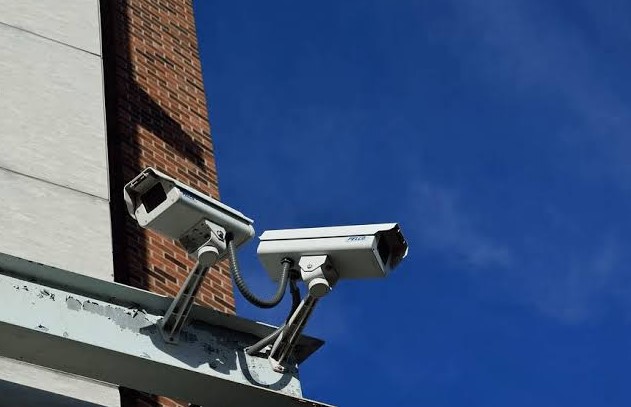
High-resolution CCTV cameras have been installed at 15 strategic locations in Dhaka’s Mohammadpur area as part of an initiative to strengthen security, control crime and improve traffic management, State Minister for Primary and Mass Education and Dhaka-13 MP Bobby Hajjaj has said.
A total of 80 high-resolution cameras equipped with zoom facilities have been installed at key locations, including Basila intersection, Mohammadpur bus stand and Asad Gate, he said. The number of cameras is expected to rise to several hundred within the next year.
The minister disclosed the information at a briefing held at a community centre in Mohammadpur on Saturday (November 14), focusing on the overall law and order situation in Mohammadpur and the Dhaka-13 constituency, crime control, CCTV surveillance and modern traffic management.
He said a list of crime-prone areas had been prepared in cooperation with the police stations concerned to identify locations with higher crime rates and potential security risks.
Cameras were installed at those locations based on information collected from police stations in Mohammadpur, Adabor and surrounding areas, he added.
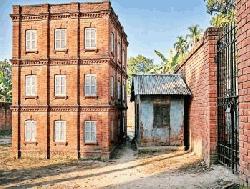
Specialised covert cameras have also been installed at the entrances to Geneva Camp. According to the minister, footage from these cameras helped the Dhaka Metropolitan Police (DMP) identify and arrest individuals involved in the cocktail attack on the July Memorial Museum.
Hajjaj said the surveillance network would be expanded further. Alongside the police and traffic authorities, local community representatives would be involved in building a coordinated security system.
As part of the initiative, the Dhaka-13 constituency is being divided into 70 neighbourhoods, with plans to form committees in each area. Representatives of mosque and temple committees, market committees, educational institutions and respected local residents will be included.
The minister said CCTV footage would not be made available to the public. Only the relevant police stations, traffic department and designated representatives of neighbourhood committees would be allowed to access the footage when necessary for security purposes.
He also said residents and authorities were being encouraged to install CCTV cameras and ensure adequate lighting in front of homes, businesses, offices and educational institutions. Plans are also underway to integrate these cameras into the wider surveillance network.
Outlining future plans, Hajjaj said monitoring footage from a large number of cameras simultaneously could become difficult for the police. An initiative has therefore been taken to introduce artificial intelligence-based technology to identify unusual and suspicious activities and send alerts to the relevant police stations and officers.
On efforts to curb snatching in Mohammadpur, the minister said coordinated CCTV surveillance, improved street lighting and regular police activity had brought snatching incidents down to zero in several crime-prone locations. However, he acknowledged that some isolated areas continued to experience criminal activity and said the relevant police stations had been instructed to take stronger action.
Regarding traffic management, Hajjaj said technology-based systems were being introduced to ensure smoother movement and reduce congestion. Modern traffic signals are already operational at key locations, including Shia Mosque, Asad Gate and the area adjacent to Dhanmondi 27's Eye Hospital.
He said modern traffic control systems were planned for three more locations within the next two months: the western gate of DRMC School, Noorjahan Road and the entrance to Shampa Market.
On controlling juvenile gangs and drug-related crime, the minister said law enforcement efforts should go beyond arresting offenders and address the social and economic factors behind criminal activities.
He stressed the need to create opportunities for skills development, employment and entrepreneurship among young people.
In this regard, discussions are underway with development partners, including the World Bank and the Asian Development Bank, on development and rehabilitation initiatives in areas such as Basila and the Bihari camp. Talks are also being held with business organisations, including the Bangladesh Garment Manufacturers and Exporters Association (BGMEA) and the Federation of Bangladesh Chambers of Commerce and Industry (FBCCI), to explore employment opportunities.
Plans are also progressing for education and skills development initiatives centred on Basila Polytechnic and the National University.
Representatives of the DMP's Traffic Tejgaon Division, Mohammadpur, Adabor and Sher-e-Bangla Nagar police stations, the Special Response Battalion (SRB) and other relevant law enforcement agencies attended the briefing.
- MaT

Loading...
Loading...
Also read





Editor : Iqbal Sobhan Chowdhury
Published by the Editor on behalf of the Observer Ltd. from Globe Printers, 24/A, New Eskaton Road, Ramna, Dhaka.
Editorial, News and Commercial Offices : Aziz Bhaban (2nd floor), 93, Motijheel C/A, Dhaka-1000.
Phone: PABX- 41053001-06; Advertisement: 41053012; 01793317829, 01550707291, 01550707296
E-mail: [email protected], [email protected]. [email protected], [email protected], [email protected], [email protected], Online-email: [email protected]


