



| HEADLINE |

|

Trump mocks US intelligence over suspicions of Chinese women as spies
Published : Tuesday, 17 November, 2026 at 1:10 PM
Observer Online Report


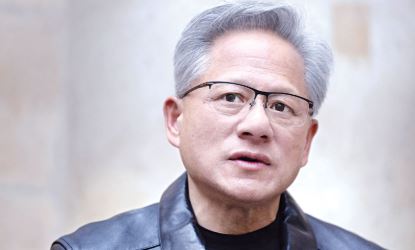
US President Donald Trump has mocked intelligence officials for allegedly suspecting attractive Chinese women visiting the United States of being spies, amid growing controversy surrounding Nvidia CEO Jensen Huang, alleged espionage concerns and the export of advanced AI chips to China.
The controversy reportedly centres on Huang's alleged personal relationship with Alice Huang, a senior executive at Singapore-based company Megaspeed. Some US intelligence officials reportedly suspect that Alice may be working in the interests of the Chinese government. However, no conclusive public evidence has established the allegation, and the claims have not been independently verified.
The broader dispute involves Nvidia's efforts to maintain access to the Chinese market. Jensen Huang has long advocated allowing the company to sell its chips in China, while some US officials argue that advanced AI technology could strengthen China's military and technological capabilities.
Reports also suggest that Secretary of State Marco Rubio had been overseeing a classified memo concerning the intelligence concerns. Trump, however, denied receiving any information from Rubio about the allegations against Alice.
Speaking to reporters on Monday, Trump said he would have no objection to Jensen Huang returning to his position, adding that the Nvidia chief had already learned a major lesson.
Trump also questioned the espionage allegations against Alice, saying he did not know whether she was a spy. He criticised intelligence officials for treating attractive Chinese women visiting the United States with suspicion.
Meanwhile, divisions have emerged within the Trump administration over semiconductor exports to China. Treasury Secretary Scott Bessent's camp has reportedly accused Commerce Secretary Howard Lutnick's department of failing to adequately enforce restrictions on advanced chip exports.
On Monday, the US Commerce Department introduced new rules aimed at closing a potential loophole that could allow Chinese companies to access advanced American AI chips through data centres located in third countries.
Trump acknowledged differing views within his administration over China policy, with one side favouring continued trade engagement and the other advocating a tougher approach. He said neither position was necessarily wrong.
The debate highlights Washington's growing challenge of balancing national security concerns, commercial interests and technological competition with China. The outcome could have significant implications for Nvidia and the future of US AI chip exports to the Chinese market.
-MT

Loading...
Loading...
Also read







Editor : Iqbal Sobhan Chowdhury
Published by the Editor on behalf of the Observer Ltd. from Globe Printers, 24/A, New Eskaton Road, Ramna, Dhaka.
Editorial, News and Commercial Offices : Aziz Bhaban (2nd floor), 93, Motijheel C/A, Dhaka-1000.
Phone: PABX- 41053001-06; Advertisement: 41053012; 01793317829, 01550707291, 01550707296
E-mail: [email protected], [email protected]. [email protected], [email protected], [email protected], [email protected], Online-email: [email protected]


