



| HEADLINE |

|

Brazil no longer strong enough to win WC: Ronaldo
Published : Saturday, 28 November, 2026 at 2:30 PM
Observer Online Report


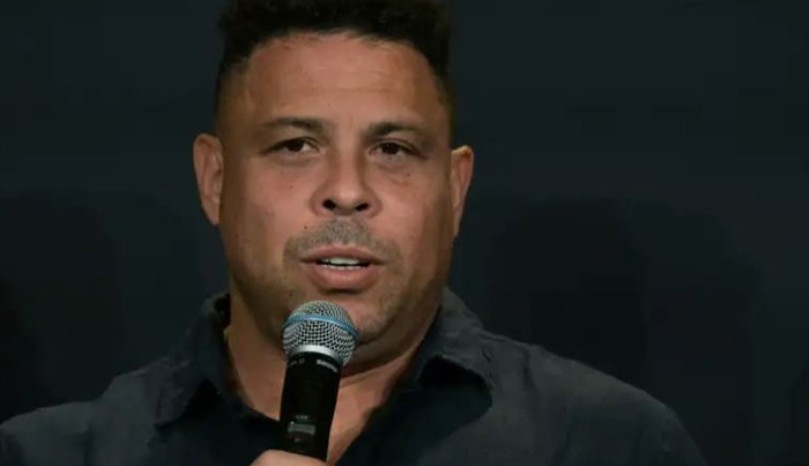
Brazilian football legend Ronaldo Nazario believes the five-time world champions no longer have what it takes to win the FIFA World Cup, citing a loss of their traditional playing identity and a lack of team unity.
Brazil were once synonymous with footballing brilliance, dazzling dribbling, individual creativity and breathtaking goals. From Pele, Garrincha and Zico to Romario, Ronaldinho and Ronaldo himself, generations of Brazilian stars have captivated the world with their unique style of play. More recently, Neymar carried that legacy forward.
However, Ronaldo believes that the Selecao have drifted away from the qualities that once made them the dominant force in world football.
The former striker argues that Brazil have increasingly tried to imitate European football, sacrificing their natural flair and creativity in the process.
"I think we are copying European players. Before, we had much more confidence in our own talent. But now the Europeans are stronger, faster, more organised and playing better football," Ronaldo said.
Brazil won five World Cups between 1958 and 2002, with their technical brilliance and attacking creativity setting them apart from their rivals.
But Ronaldo feels the current generation is struggling to match the physical intensity, tactical organisation and overall quality of Europe's leading teams.
His concerns extend beyond playing style. The former World Cup winner also sees a lack of unity and collective spirit within the Brazilian squad.
He pointed to Argentina's fighting mentality and strong team spirit as examples of what Brazil are currently missing.
Despite having several world-class individuals, Brazil have struggled to turn their individual talent into a cohesive and consistently dominant team, according to Ronaldo.
His assessment of their World Cup prospects was particularly blunt.
"Brazil are not strong enough to win the World Cup. Our team is not strong enough, and we are not united either," he said.
Ronaldo's remarks raise broader questions about the direction of Brazilian football and whether the country can rediscover the identity that made it one of the most celebrated forces in the game.
As Brazil look towards the 2030 World Cup, the challenge will be to combine modern football's physical demands and tactical discipline with the creativity and natural flair that have long defined the Selecao.
For a nation that has built its footballing legacy on artistry as much as trophies, restoring that distinctive style could be just as important as winning another World Cup.

Loading...
Loading...
Also read







Editor : Iqbal Sobhan Chowdhury
Published by the Editor on behalf of the Observer Ltd. from Globe Printers, 24/A, New Eskaton Road, Ramna, Dhaka.
Editorial, News and Commercial Offices : Aziz Bhaban (2nd floor), 93, Motijheel C/A, Dhaka-1000.
Phone: PABX- 41053001-06; Advertisement: 41053012; 01793317829, 01550707291, 01550707296
E-mail: [email protected], [email protected]. [email protected], [email protected], [email protected], [email protected], Online-email: [email protected]


