



| HEADLINE |

|
Parliament sets March 31 for debate on Constitutional Reform Council
Published : Sunday, 29 March, 2026 at 10:06 PM
Observer Online Report


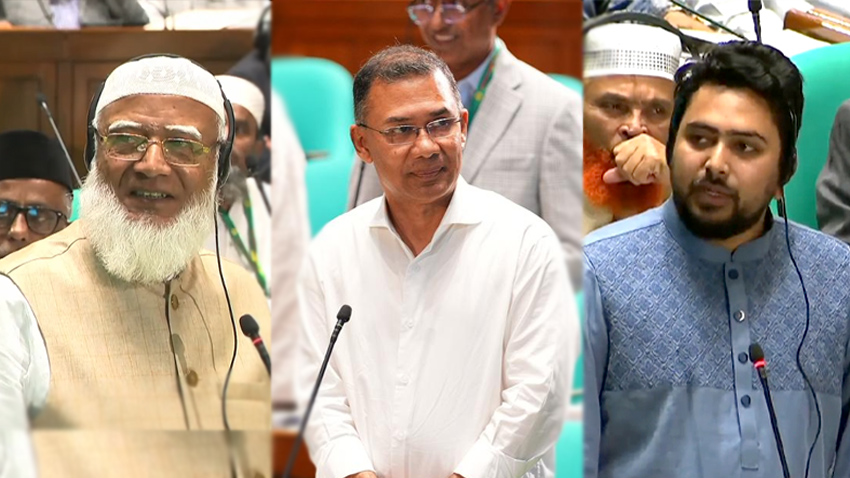
The Parliament is set to hold a two-hour discussion on convening the Constitution Reform Council on Tuesday (March 31), following heated exchanges between government and opposition lawmakers that tested parliamentary conventions.
Deputy Speaker Kayser Kamal announced the scheduled debate after presiding over a turbulent session marked by procedural disputes, desk-thumping, and moments when members refused to yield the floor even after microphones were switched off.
The confrontation erupted when Opposition Leader Shafiqur Rahman, who leads Jamaat-e-Islami, formally submitted a notice requesting parliamentary discussion on activating the Constitution Reform Council�"a body established under the July National Charter but never convened despite legal requirements.
Parliament Secretariat officials noted the significance of the ruling, observing that speakers have rarely permitted discussion on such notices since Bangladesh restored parliamentary democracy in 1991.
Shafiqur Rahman explained that the Speaker had previously advised him on March 15 to submit his request through proper channels, which he had fulfilled. "We have done so. Now, through you, I am placing this notice before parliament. The subject of the notice is the July National Charter Constitution Reform Implementation Order 2025," the opposition leader stated.
Chief Whip Nurul Islam Moni objected, arguing that established parliamentary practice requires such matters to follow starred questions and Rule 71 proceedings. Prime Minister and Leader of the House Tarique Rahman demonstrated support for the treasury bench position through desk-thumping.
Home Minister Salahuddin Ahmed questioned which procedural rules applied to the notice, later arguing it should have been submitted under Rule 68 rather than Rule 62. His intervention triggered opposition members to stand in protest, creating significant disorder in the chamber.
The opposition leader's notice addressed a critical constitutional question. Following the referendum's decisive approval, members elected to the 13th National Parliament face legal obligations to take two separate oaths�"one as parliamentarians and another as Constitution Reform Council members.
According to Shafiqur Rahman's submission, lawmakers from the BNP-led alliance declined the council oath, while 77 MPs representing the Jamaat-led 11-party alliance completed both ceremonies.
The July National Charter (Constitution Reform) Implementation Order 2025 stipulates that the council's inaugural session should occur within 30 calendar days after election results are declared, mirroring procedures for parliament's first sitting. This deadline has passed without action.
Law Minister Md Asaduzzaman acknowledged the matter's importance and requested the speaker allocate time for proper debate, effectively supporting a formal discussion while maintaining procedural concerns.
The session's tension peaked when Home Minister Salahuddin Ahmed continued speaking after the Deputy Speaker announced his ruling and even after his microphone was disconnected. "I have already given my decision. Please sit down," Kayser Kamal instructed, though the minister persisted.
Opposition members voiced loud objections throughout the exchanges, with the presiding officer repeatedly requesting order in the chamber.
The scheduled March 31 debate represents a potential breakthrough in the ongoing impasse over constitutional reform implementation. The July Charter emerged from the 2024 uprising that transformed Bangladesh's political landscape, and its full implementation remains a priority for opposition parties who argue the governing coalition has delayed fulfilling referendum mandates.
The procedural battle reflects deeper tensions between parties holding different interpretations of post-uprising constitutional obligations and the pace at which reforms should advance.
Whether Tuesday's discussion produces concrete action on convening the Constitution Reform Council or simply provides another forum for political disagreement remains uncertain, but the rare allowance of such debate signals parliamentary recognition of the issue's national significance.
Deputy Speaker Kayser Kamal announced the scheduled debate after presiding over a turbulent session marked by procedural disputes, desk-thumping, and moments when members refused to yield the floor even after microphones were switched off.
The confrontation erupted when Opposition Leader Shafiqur Rahman, who leads Jamaat-e-Islami, formally submitted a notice requesting parliamentary discussion on activating the Constitution Reform Council�"a body established under the July National Charter but never convened despite legal requirements.
Parliament Secretariat officials noted the significance of the ruling, observing that speakers have rarely permitted discussion on such notices since Bangladesh restored parliamentary democracy in 1991.
Shafiqur Rahman explained that the Speaker had previously advised him on March 15 to submit his request through proper channels, which he had fulfilled. "We have done so. Now, through you, I am placing this notice before parliament. The subject of the notice is the July National Charter Constitution Reform Implementation Order 2025," the opposition leader stated.
Chief Whip Nurul Islam Moni objected, arguing that established parliamentary practice requires such matters to follow starred questions and Rule 71 proceedings. Prime Minister and Leader of the House Tarique Rahman demonstrated support for the treasury bench position through desk-thumping.
Home Minister Salahuddin Ahmed questioned which procedural rules applied to the notice, later arguing it should have been submitted under Rule 68 rather than Rule 62. His intervention triggered opposition members to stand in protest, creating significant disorder in the chamber.
The opposition leader's notice addressed a critical constitutional question. Following the referendum's decisive approval, members elected to the 13th National Parliament face legal obligations to take two separate oaths�"one as parliamentarians and another as Constitution Reform Council members.
According to Shafiqur Rahman's submission, lawmakers from the BNP-led alliance declined the council oath, while 77 MPs representing the Jamaat-led 11-party alliance completed both ceremonies.
The July National Charter (Constitution Reform) Implementation Order 2025 stipulates that the council's inaugural session should occur within 30 calendar days after election results are declared, mirroring procedures for parliament's first sitting. This deadline has passed without action.
Law Minister Md Asaduzzaman acknowledged the matter's importance and requested the speaker allocate time for proper debate, effectively supporting a formal discussion while maintaining procedural concerns.
The session's tension peaked when Home Minister Salahuddin Ahmed continued speaking after the Deputy Speaker announced his ruling and even after his microphone was disconnected. "I have already given my decision. Please sit down," Kayser Kamal instructed, though the minister persisted.
Opposition members voiced loud objections throughout the exchanges, with the presiding officer repeatedly requesting order in the chamber.
The scheduled March 31 debate represents a potential breakthrough in the ongoing impasse over constitutional reform implementation. The July Charter emerged from the 2024 uprising that transformed Bangladesh's political landscape, and its full implementation remains a priority for opposition parties who argue the governing coalition has delayed fulfilling referendum mandates.
The procedural battle reflects deeper tensions between parties holding different interpretations of post-uprising constitutional obligations and the pace at which reforms should advance.
Whether Tuesday's discussion produces concrete action on convening the Constitution Reform Council or simply provides another forum for political disagreement remains uncertain, but the rare allowance of such debate signals parliamentary recognition of the issue's national significance.
Loading...
Loading...
Also read



Editor : Iqbal Sobhan Chowdhury
Published by the Editor on behalf of the Observer Ltd. from Globe Printers, 24/A, New Eskaton Road, Ramna, Dhaka.
Editorial, News and Commercial Offices : Aziz Bhaban (2nd floor), 93, Motijheel C/A, Dhaka-1000.
Phone: PABX- 41053001-06; Advertisement: 41053012; 01793317829, 01550707291, E-mail: [email protected], [email protected] Online: email: [email protected] 41053014; 01550707297 Advertisement: 01550707296
Published by the Editor on behalf of the Observer Ltd. from Globe Printers, 24/A, New Eskaton Road, Ramna, Dhaka.
Editorial, News and Commercial Offices : Aziz Bhaban (2nd floor), 93, Motijheel C/A, Dhaka-1000.
Phone: PABX- 41053001-06; Advertisement: 41053012; 01793317829, 01550707291, E-mail: [email protected], [email protected] Online: email: [email protected] 41053014; 01550707297 Advertisement: 01550707296


