In the wake of the Fourth Industrial Revolution, energy has become one of the most decisive factors shaping a nation's economic growth, industrial development, and overall quality of life. In this changing global context, many developing countries, including Bangladesh, remain heavily dependent on fossil fuels rather than renewable energy sources. This dependence not only places significant pressure on the national economy through rising import costs but also poses serious threats to environmental sustainability and climate stability. Therefore, the transition to renewable energy in Bangladesh is no longer optional; it is an urgent necessity driven by both economic realities and environmental concerns.
Despite increasing awareness and policy commitments, the actual use of renewable energy in Bangladesh remains limited. The country continues to face infrastructural, financial, and technological challenges that hinder large-scale adoption. At a time when energy demand is rising rapidly due to urbanization and industrial expansion, and when fossil fuel import costs are increasing, an important question emerges: is Bangladesh truly prepared for a sustainable energy transition?
Currently, renewable energy contributes only about 4.5 percent of the total electricity generation in Bangladesh, which is relatively low compared to global standards. Among renewable sources, solar energy dominates, accounting for nearly seventy percent of the total renewable energy supply. Recognizing the importance of diversification, the government introduced the Renewable Energy Policy in 2008 and later set ambitious targets in the Power System Master Plan 2016 to generate between twenty to thirty percent of electricity from renewable sources by 2041. While these goals reflect a forward-looking vision, achieving them will require overcoming significant structural and institutional challenges.
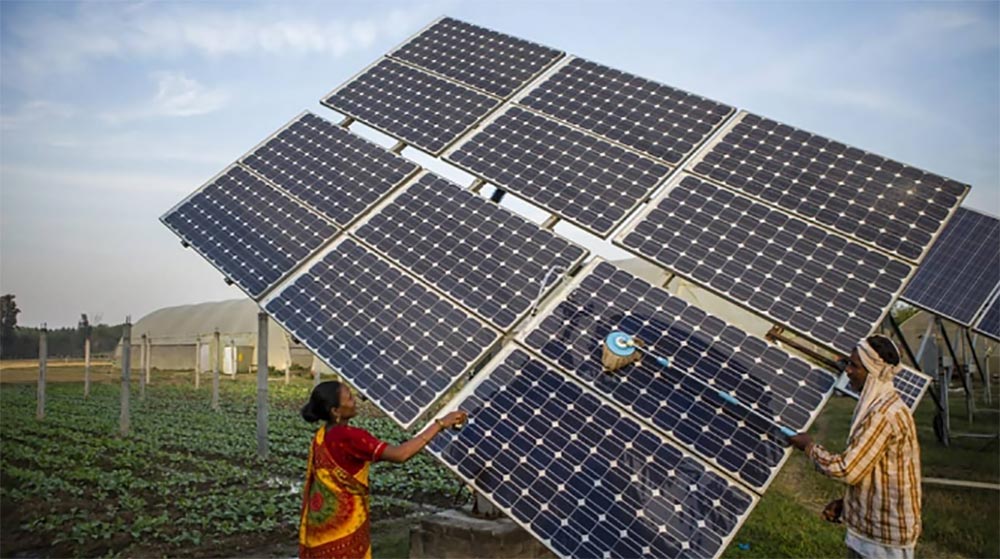
Solar energy holds immense potential due to Bangladesh's favorable geographic location. The widespread adoption of Solar Home Systems in rural areas, with over six million installations, demonstrates its effectiveness and impact. Initiatives to expand rooftop solar systems in schools, hospitals, and government buildings further highlight progress in this sector. However, the heavy reliance on imported components such as solar panels, batteries, and inverters increases costs and creates maintenance challenges. Developing local manufacturing capacity and implementing supportive policies could greatly enhance the sustainability and expansion of solar energy.
Wind energy also offers promising opportunities, especially in coastal regions like Cox's Bazar and Kuakata, where wind conditions are suitable for power generation. Experimental projects, including a wind turbine installed in 2022, have shown encouraging results. However, the sector still faces challenges such as lack of comprehensive wind data, inconsistent wind patterns, technological limitations, and concerns related to environmental and geological risks. Addressing these issues will require better research, stronger private sector involvement, and international cooperation.
Hydropower contributes to the renewable energy mix through the Kaptai Hydroelectric Power Plant, which has a capacity of 230 megawatts. Although large-scale expansion is limited by geographical constraints, there is potential for small-scale hydropower projects in hilly areas. However, seasonal water flow variations and environmental concerns remain obstacles. Innovative approaches, such as integrating hydropower with irrigation systems, could help improve efficiency and sustainability.
The development of renewable energy in Bangladesh is hindered by several systemic challenges. Policy inefficiencies and administrative delays often slow down project implementation. Dependence on imported technology increases costs and affects long-term sustainability. Financial barriers are also significant, as access to affordable green financing remains limited. Additionally, the influence of fossil fuel interests can sometimes overshadow renewable energy initiatives. Public awareness is still relatively low, which affects acceptance and adoption at the grassroots level. Furthermore, Bangladesh's vulnerability to natural disasters, such as floods and cyclones, creates additional risks for energy infrastructure.
To overcome these challenges, Bangladesh must adopt a coordinated and comprehensive strategy. Strengthening policy frameworks and ensuring their effective implementation will be essential. Promoting local production of renewable energy technologies can reduce dependency and create new economic opportunities. At the same time, utilizing international climate financing and encouraging public-private partnerships can help bridge financial gaps and accelerate development.
Raising public awareness and incorporating renewable energy education into the national curriculum are equally important. A well-informed population is more likely to support sustainable practices. Region-specific strategies, such as promoting solar energy in agricultural areas, wind energy in coastal zones, and hydropower in hilly regions, can ensure efficient use of resources. Additionally, developing off-grid and smart grid systems will improve energy access and reliability, especially in remote areas.
In conclusion, the transition to renewable energy presents a significant opportunity for Bangladesh to address both economic and environmental challenges. Reducing dependence on fossil fuels and expanding clean energy use will not only lower costs but also strengthen resilience to climate change. With effective governance, technological innovation, sustainable financing, and active public participation, Bangladesh can successfully move toward a greener and more sustainable future.
The writer is a student, Environmental Science and Disaster Management Department, Gopalganj Science and Technology University





