



| HEADLINE |

|

FM’s maiden India visit April 8
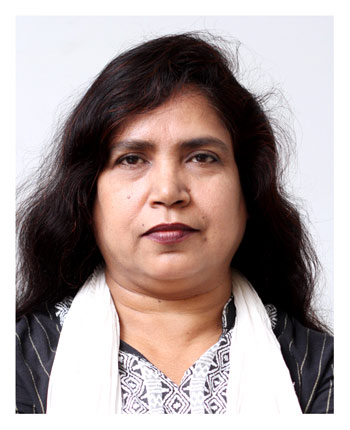


Foreign Minister Khalilur Rahman is expected to visit India on April 8-9 aimed at normalizing the bilateral relations. It will be his maiden official tour to New Delhi since the BNP-led government took charges on February 17 after a period of strained ties under Muhammad Yunus's interim government.
During his 2-day stay in the Indian capital, the Foreign Minister is expected to hold intensive one-on-one interaction with his Indian counterpart, Dr S Jaishankar, and National Security Adviser (NSA) Ajit Doval. This visit is not merely a courtesy call on, it is being described as a "majorbilateral move" aimed at synchronising the security and economic architectures of both nations, Indian media reports.
Beyond the tactical security briefings, Khalilur Rahman's mission is about "building long-term trust". After the political volatility of the last 18 months, New Delhi is keen to demonstrate its commitment to a stable, sovereign, and democratic Bangladesh. The scheduled talks are seen as the "foundation stone" for resolving pending bilateral issues-ranging from water-sharing to trade imbalances- the report reads.
Top sources indicate that both nations aim to significantly strengthen people-to-people contacts, viewing the cultural and linguistic shared history as a "buffer" against geopolitical shifts. As Khalilur Rahman touches down in Delhi, the message is clear: the new phase of Dhaka-Delhi relations is entering a period of high-level, high-trust engagement that will redefine the South Asian security landscape for 2026 and beyond, the report said.
Foreign Minister will lead a high-powered delegation for a crucial two-day visit that's likely to include the Home Minister, Energy and Power Minister and the Commerce Minister to discuss the strategic "advance guard" before the scheduled arrival of Prime Minister Tarique Rahman in India in short future.
"Bangladesh relations are absolutely on track," a senior official noted. "We respect the new leadership in Dhaka and are looking forward to a productive engagement that addresses both immediate security concerns and long-term economic goals."
Security, Connectivity, and the 'Strait of Hormuz' Factor: The agenda for the Doval-Rahman meeting is expected to be heavy on "hard security" and infrastructure resilience. Key points of discussion include: With the West Asia conflict causing global energy and supply chain disruptions, the "Dhaka-Delhi" axis has become a critical anchor for regional stability.
Counter-Terrorism & Border Management: Ensuring that the democratic transition in Bangladesh remains insulated from radical elements and that the 4,096 km border remains a zone of "zero-tolerance" for insurgent activity.
Maritime Security: Given the ongoing maritime blockade in the Persian Gulf, both nations are looking to secure the Bay of Bengal as a vital alternative for trade and energy transit.
The 'Connectivity' Push: Accelerating the Master Plan for rail and port links that would allow Indian goods smoother transit through Bangladesh to the Northeast while boosting Dhaka's access to the Indian market.
Building Long-Term Trust: The Road to the PM's Visit After the political volatility of the last 18 months, New Delhi is keen to demonstrate its commitment to a stable, sovereign, and democratic Bangladesh. The scheduled talks are seen as the "foundation stone" for resolving pending bilateral issues-ranging from water-sharing to trade imbalances-ahead of the Prime Minister's visit.
"The Ganges Water Sharing Treaty is going to expire next year, so we are hoping optimum cooperation of India (in renewing the pact)," a Foreign Ministry official said.
During his 2-day stay in the Indian capital, the Foreign Minister is expected to hold intensive one-on-one interaction with his Indian counterpart, Dr S Jaishankar, and National Security Adviser (NSA) Ajit Doval. This visit is not merely a courtesy call on, it is being described as a "majorbilateral move" aimed at synchronising the security and economic architectures of both nations, Indian media reports.
Beyond the tactical security briefings, Khalilur Rahman's mission is about "building long-term trust". After the political volatility of the last 18 months, New Delhi is keen to demonstrate its commitment to a stable, sovereign, and democratic Bangladesh. The scheduled talks are seen as the "foundation stone" for resolving pending bilateral issues-ranging from water-sharing to trade imbalances- the report reads.
Top sources indicate that both nations aim to significantly strengthen people-to-people contacts, viewing the cultural and linguistic shared history as a "buffer" against geopolitical shifts. As Khalilur Rahman touches down in Delhi, the message is clear: the new phase of Dhaka-Delhi relations is entering a period of high-level, high-trust engagement that will redefine the South Asian security landscape for 2026 and beyond, the report said.
Foreign Minister will lead a high-powered delegation for a crucial two-day visit that's likely to include the Home Minister, Energy and Power Minister and the Commerce Minister to discuss the strategic "advance guard" before the scheduled arrival of Prime Minister Tarique Rahman in India in short future.
"Bangladesh relations are absolutely on track," a senior official noted. "We respect the new leadership in Dhaka and are looking forward to a productive engagement that addresses both immediate security concerns and long-term economic goals."
Security, Connectivity, and the 'Strait of Hormuz' Factor: The agenda for the Doval-Rahman meeting is expected to be heavy on "hard security" and infrastructure resilience. Key points of discussion include: With the West Asia conflict causing global energy and supply chain disruptions, the "Dhaka-Delhi" axis has become a critical anchor for regional stability.
Counter-Terrorism & Border Management: Ensuring that the democratic transition in Bangladesh remains insulated from radical elements and that the 4,096 km border remains a zone of "zero-tolerance" for insurgent activity.
Maritime Security: Given the ongoing maritime blockade in the Persian Gulf, both nations are looking to secure the Bay of Bengal as a vital alternative for trade and energy transit.
The 'Connectivity' Push: Accelerating the Master Plan for rail and port links that would allow Indian goods smoother transit through Bangladesh to the Northeast while boosting Dhaka's access to the Indian market.
Building Long-Term Trust: The Road to the PM's Visit After the political volatility of the last 18 months, New Delhi is keen to demonstrate its commitment to a stable, sovereign, and democratic Bangladesh. The scheduled talks are seen as the "foundation stone" for resolving pending bilateral issues-ranging from water-sharing to trade imbalances-ahead of the Prime Minister's visit.
"The Ganges Water Sharing Treaty is going to expire next year, so we are hoping optimum cooperation of India (in renewing the pact)," a Foreign Ministry official said.

Loading...
Loading...
Also read



Editor : Iqbal Sobhan Chowdhury
Published by the Editor on behalf of the Observer Ltd. from Globe Printers, 24/A, New Eskaton Road, Ramna, Dhaka.
Editorial, News and Commercial Offices : Aziz Bhaban (2nd floor), 93, Motijheel C/A, Dhaka-1000.
Phone: PABX- 41053001-06; Advertisement: 41053012; 01793317829, 01550707291, E-mail: [email protected], [email protected] Online: email: [email protected] 41053014; 01550707297 Advertisement: 01550707296
Published by the Editor on behalf of the Observer Ltd. from Globe Printers, 24/A, New Eskaton Road, Ramna, Dhaka.
Editorial, News and Commercial Offices : Aziz Bhaban (2nd floor), 93, Motijheel C/A, Dhaka-1000.
Phone: PABX- 41053001-06; Advertisement: 41053012; 01793317829, 01550707291, E-mail: [email protected], [email protected] Online: email: [email protected] 41053014; 01550707297 Advertisement: 01550707296


