



| HEADLINE |

|
EU, Bangladesh step up renewable energy cooperation as strategic priority
Published : Tuesday, 21 April, 2026 at 2:28 PM
Observer Online Report


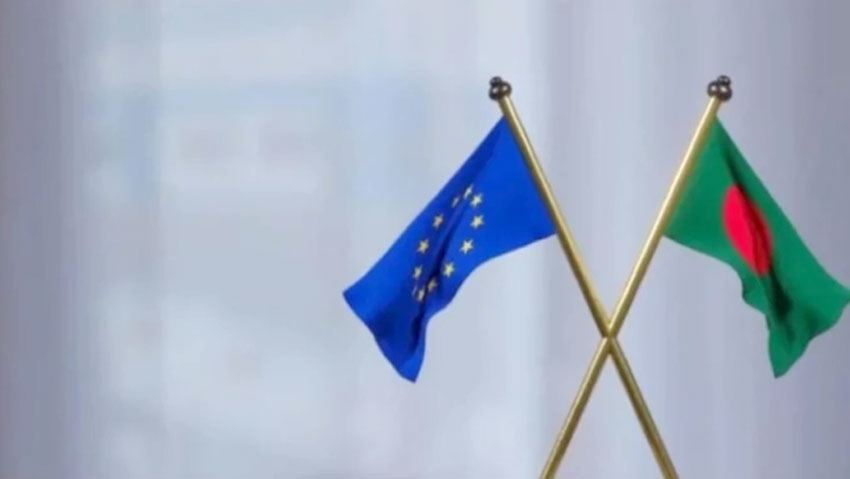
The European Union (EU) and Bangladesh are intensifying cooperation on renewable energy development, with both sides identifying energy security and investment readiness as key strategic priorities, according to EU officials.
EU Ambassador and Head of Delegation to Bangladesh Michael Miller said that ensuring energy security is a defining issue, adding that both partners are working to accelerate the deployment of renewable energy solutions.
Speaking at a high-level event in Dhaka titled “Boosting Renewable Energy in Bangladesh �" From Design to Implementation,” Miller said the Bangladesh Renewable Energy Facility represents a flagship initiative under the EU’s Global Gateway strategy, which aims to build secure, sustainable and trusted global partnerships.
The event was jointly organised by European Investment Bank (EIB), EU Delegation in Bangladesh and Power Division of the Ministry of Power, Energy and Mineral Resources.
It brought together government officials, international partners, financial institutions, regulators and private sector representatives.
According to EU Embassy in Dhaka, Bangladesh Renewable Energy Facility (BREF) is a major EU Global Gateway initiative designed to accelerate large-scale renewable energy investments, supporting Bangladesh’s energy security, climate goals and green transition.
The EU’s total financial contribution for the public sector under the programme amounts to €395 million. This includes a €350 million sovereign loan backed by EU guarantees through the EIB and a €45 million blending grant, part of which is allocated to improve project viability and reduce investment risks.
Germany is also contributing €50 million along with additional technical assistance funding.
Overall, the facility is expected to mobilise around €700 million in investments in solar and wind energy projects.
It aims to generate up to 750 MWp of renewable capacity while also strengthening grid resilience and supporting innovations such as dual land use systems and battery energy storage.
Officials from both Bangladesh and Europe emphasised the importance of coordinated efforts.
Senior representatives highlighted that collaboration between the government, EU institutions and development partners is essential to mobilise the scale of investment and technical expertise required for the energy transition.
EIB representatives said the facility plays a central role in supporting Bangladesh’s shift toward a low-carbon energy future, with technical assistance ensuring that projects are well-prepared, financially viable and environmentally compliant.
The German ambassador to Bangladesh Dr. Rüdiger Lotz described the initiative as a milestone in bilateral energy cooperation and encouraged the expansion of renewable sources such as solar and wind power.
Technical partners involved in the programme also stressed that hands-on support will help strengthen institutional capacity and improve the implementation of renewable energy projects, ensuring long-term sustainability and investment readiness.
SH
EU Ambassador and Head of Delegation to Bangladesh Michael Miller said that ensuring energy security is a defining issue, adding that both partners are working to accelerate the deployment of renewable energy solutions.
Speaking at a high-level event in Dhaka titled “Boosting Renewable Energy in Bangladesh �" From Design to Implementation,” Miller said the Bangladesh Renewable Energy Facility represents a flagship initiative under the EU’s Global Gateway strategy, which aims to build secure, sustainable and trusted global partnerships.
The event was jointly organised by European Investment Bank (EIB), EU Delegation in Bangladesh and Power Division of the Ministry of Power, Energy and Mineral Resources.
It brought together government officials, international partners, financial institutions, regulators and private sector representatives.
According to EU Embassy in Dhaka, Bangladesh Renewable Energy Facility (BREF) is a major EU Global Gateway initiative designed to accelerate large-scale renewable energy investments, supporting Bangladesh’s energy security, climate goals and green transition.
The EU’s total financial contribution for the public sector under the programme amounts to €395 million. This includes a €350 million sovereign loan backed by EU guarantees through the EIB and a €45 million blending grant, part of which is allocated to improve project viability and reduce investment risks.
Germany is also contributing €50 million along with additional technical assistance funding.
Overall, the facility is expected to mobilise around €700 million in investments in solar and wind energy projects.
It aims to generate up to 750 MWp of renewable capacity while also strengthening grid resilience and supporting innovations such as dual land use systems and battery energy storage.
Officials from both Bangladesh and Europe emphasised the importance of coordinated efforts.
Senior representatives highlighted that collaboration between the government, EU institutions and development partners is essential to mobilise the scale of investment and technical expertise required for the energy transition.
EIB representatives said the facility plays a central role in supporting Bangladesh’s shift toward a low-carbon energy future, with technical assistance ensuring that projects are well-prepared, financially viable and environmentally compliant.
The German ambassador to Bangladesh Dr. Rüdiger Lotz described the initiative as a milestone in bilateral energy cooperation and encouraged the expansion of renewable sources such as solar and wind power.
Technical partners involved in the programme also stressed that hands-on support will help strengthen institutional capacity and improve the implementation of renewable energy projects, ensuring long-term sustainability and investment readiness.
SH
Loading...
Loading...
Also read






Editor : Iqbal Sobhan Chowdhury
Published by the Editor on behalf of the Observer Ltd. from Globe Printers, 24/A, New Eskaton Road, Ramna, Dhaka.
Editorial, News and Commercial Offices : Aziz Bhaban (2nd floor), 93, Motijheel C/A, Dhaka-1000.
Phone: PABX- 41053001-06; Advertisement: 41053012; 01793317829, 01550707291, E-mail: [email protected], [email protected] Online: email: [email protected] 41053014; 01550707297 Advertisement: 01550707296
Published by the Editor on behalf of the Observer Ltd. from Globe Printers, 24/A, New Eskaton Road, Ramna, Dhaka.
Editorial, News and Commercial Offices : Aziz Bhaban (2nd floor), 93, Motijheel C/A, Dhaka-1000.
Phone: PABX- 41053001-06; Advertisement: 41053012; 01793317829, 01550707291, E-mail: [email protected], [email protected] Online: email: [email protected] 41053014; 01550707297 Advertisement: 01550707296


