Bangladesh, long recognized as a developing democracy with a vibrant civil society, is now confronting a severe challenge to one of its most fundamental principles: freedom of expression. Since the political transition on 5 August 2024, numerous senior and respected journalists have been detained under vague, broad, or politically motivated charges. International human rights organisations�"including Human Rights Watch (HRW), the International Federation of Journalists (IFJ), the Committee to Protect Journalists (CPJ), Reporters Without Borders (RSF), and the United Nations (UN)�"have reported a sharp rise in harassment, legal intimidation, and arbitrary prosecutions of media professionals. These developments signal a shrinking civic space and growing intolerance toward independent journalism, threatening the very foundation of democratic governance.
The recent bail granted to senior journalist Anis Alamgir offers a small sign of progress. However, many others remain imprisoned without credible evidence, highlighting the urgent need to protect press freedom as a cornerstone of democracy, stability, and national development.
A Threat to Democratic Governance: Detaining journalists is not just a legal issue; it directly undermines democratic functioning. In any open society, journalists must have the freedom to report, investigate, and challenge authority without fear. Their work exposes corruption, uncovers governance failures, and ensures accountability. When journalists are silenced through intimidation, harassment, or imprisonment, the public loses access to vital oversight mechanisms, weakening institutions that sustain democracy.
Currently, several prominent journalists remain behind bars, while court proceedings are repeatedly delayed and bail requests denied. Legal experts argue that many of these cases lack substantive evidence and appear targeted at critical voices. For Bangladesh to strengthen democratic legitimacy, no journalist should be detained without a clear and lawful basis. Protecting media professionals from arbitrary detention is not merely a legal obligation�"it is central to maintaining a government accountable to its citizens.
Freedom of Expression: A Fundamental Right: Freedom of expression is enshrined both in international human rights frameworks and the Constitution of Bangladesh. Article 19 of the Universal Declaration of Human Rights guarantees the right of every individual to freely express opinions and to seek, receive, and share information. For journalists, this freedom is essential for fulfilling their professional duties.
When Journalism is Silenced, Democracy Suffers: Targeting journalists is often a hallmark of autocratic tendencies, reflecting an attempt to control public narratives by suppressing dissent. In a democratic system, the media bridges citizens and the state, informing the public, amplifying concerns, and questioning policy and authority. Silencing journalists weakens this connection, limiting coverage of sensitive issues such as governance failures, corruption, and social inequality.
This environment generates fear within the journalistic community, leading to self-censorship and less critical reporting. Citizens lose access to accurate information, trust in institutions declines, and public participation in democratic processes diminishes. When governments suppress the press, they not only control narratives but also restrict the voices of the people themselves. Such actions erode democratic norms, undermine institutional accountability, and compromise long-term stability. A society that silences its journalists is effectively silencing its own future.
Why Releasing Journalists Matters: The immediate release of detained journalists is vital for multiple reasons. First, it restores the press’s role as a watchdog, ensuring that corruption, mismanagement, and abuses of power are exposed and addressed. Second, it reassures citizens that their right to information is protected and that institutions operate fairly. Third, it enhances Bangladesh’s credibility internationally, mitigating criticism from global human rights bodies and supporting foreign investment and diplomatic confidence.
International Concerns and Growing Pressure: The treatment of journalists in Bangladesh has attracted sustained global attention. Human Rights Watch has documented the misuse of broadly defined laws, including anti-terrorism statutes, to pursue cases against media professionals, undermining due process and press freedom. The Committee to Protect Journalists has repeatedly called for the release of journalists held under questionable charges. Reporters Without Borders and the International Federation of Journalists have also highlighted patterns of harassment, legal pressure, and intimidation that continue to threaten press freedom and civic engagement.
These international responses reflect a broader consensus that a free and independent press is indispensable for democratic governance. When journalists are treated as adversaries rather than partners, transparency suffers and public trust declines. Press freedom is thus a vital pillar of institutional accountability, national stability, and participatory democracy.
The Cost of Suppressing the Press: Limiting press freedom carries profound and lasting consequences. When journalists operate under fear or legal threat, investigative reporting declines sharply. Corruption, mismanagement, and abuse of power often go unchecked, while critical societal issues remain unreported. Silence replaces scrutiny, weakening democratic institutions and reducing civic participation. The long-term effects are severe. Without a free and independent press, policies are less likely to be challenged, governance errors persist, and national progress slows. Citizens are less informed, and misinformation spreads unchecked. In contrast, a strong media empowers society to self-correct, hold leaders accountable, and make informed decisions. Protecting journalists is therefore essential not only for democracy but also for national resilience, transparency, and sustainable development.
A Clear Path Forward: Bangladesh must take decisive steps to safeguard freedom of expression and ensure that journalists can operate independently. Immediate measures include releasing all journalists detained without credible charges and strengthening legal protections for media professionals. The judiciary must operate transparently and independently, free from political influence. Authorities should actively engage with media organisations, civil society, and international human rights bodies to restore public trust.
A free press is not a concession�"it is a democratic responsibility. Protecting journalists promotes accountability, transparency, and informed civic participation. Bangladesh cannot afford to silence those who bring truth to light. Guaranteeing press freedom today strengthens democratic institutions, safeguards national development, and ensures that the voices of its citizens are heard tomorrow.
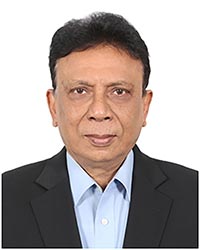
The writer is Editor and CEO, News Network





