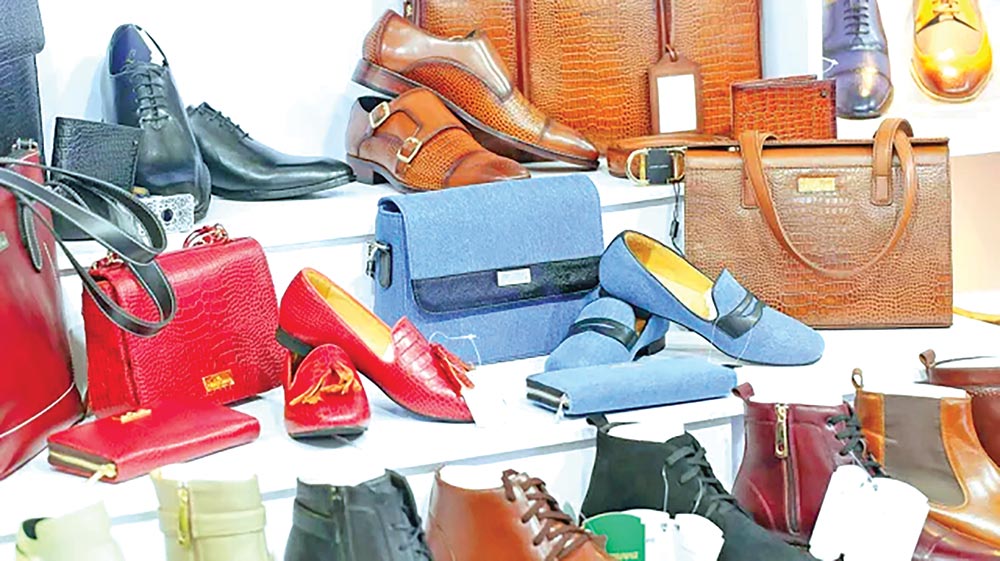
The government has set an ambitious export target of US$10-12 billion from Bangladesh's leather industry in the upcoming fiscal year, aiming to transform the long-neglected sector into one of the country's most powerful export engines.
Commerce, Industries, Textiles and Jute Minister Khandaker Abdul Muktadir said Bangladesh could increase leather exports "at least 20 times" by unlocking massive untapped opportunities and ensuring adequate investment in the sector.
"The leather industry holds enormous potential for investment and export growth. If we can utilise the opportunities properly, this sector can become a major pillar of the economy," the minister said on Sunday while addressing the ninth meeting of a high-powered task force formed to prepare recommendations and an action plan for the sector's development.
The meeting, held at the Ministry of Industries, was attended by senior government officials, researchers, Bangladesh Bank representatives, business leaders and stakeholders from the leather industry.
State Minister for Environment, Forest and Climate Change Sheikh Faridul Islam, secretaries from various ministries, officials from the Department of Environment, Bangladesh Economic Zones Authority (BEZA), Research and Policy Integration for Development (RAPID), and representatives of leather industry owners' associations also joined the discussions.
The minister acknowledged that Bangladesh had squandered much of the leather sector's enormous potential over the past decade due to environmental failures, weak compliance and poor industrial planning.
"We have wasted a lot of the potential that we had in the leather industry over the last few years. The tannery operations in Hazaribagh were never in a desirable environment," he said.
Industry insiders warned that environmental controversies continue to damage Bangladesh's reputation in global markets, particularly in Europe. Business representatives at the meeting said many European buyers remain reluctant to source Bangladeshi leather products because some leather processing facilities were allegedly established by encroaching on forest land.
The concerns come at a time when Bangladesh is desperately seeking export diversification beyond the ready-made garment sector. Economists say the leather industry - backed by abundant raw materials and low-cost labour - could emerge as a major foreign currency earner if environmental compliance, modernisation and global certification standards are ensured.
Despite its vast potential, Bangladesh's leather sector has long struggled with pollution allegations, inadequate waste management, weak infrastructure and failure to attract high-end international buyers. Industry leaders now fear that unless urgent reforms are implemented, the country could continue losing market share to regional competitors.





