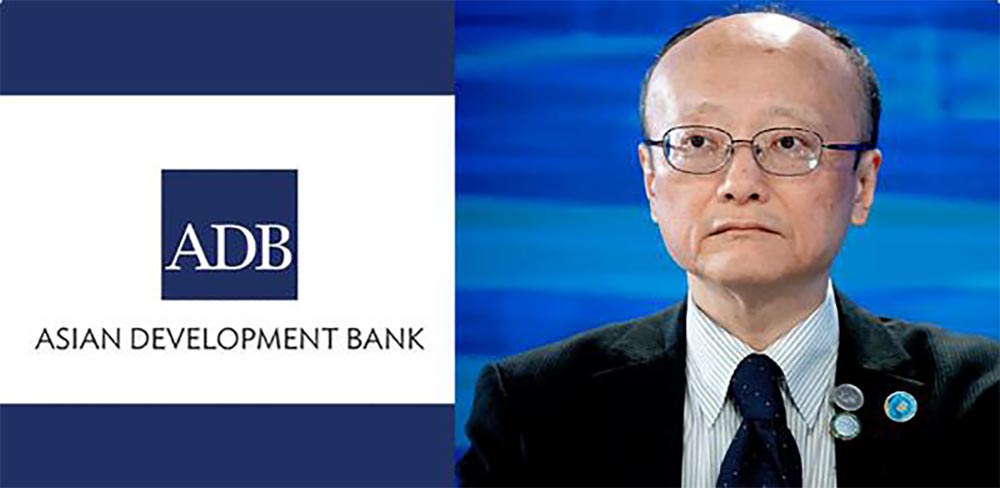
Asian Development Bank (ADB) President Masato Kanda met Prime Minister Tarique Rahman in Dhaka recently to discuss Bangladesh's development priorities during a visit that highlighted funding announcements totaling US$5 billion.
"Bangladesh is entering a critical new phase," said Mr. Kanda. "ADB will help the country protect hard-won stability, unlock new sources of growth, and build a more diversified and resilient economy that delivers better jobs and wider opportunities."
During the visit, ADB signed approximately US$1.4 billion in loan agreements under its 2026 annual commitment programme. ADB also increased its support by US$250 million to help address financing gaps arising from the economic impact of the Middle East conflict, which is placing additional pressure on Bangladesh's economy by driving up the costs of fuel, liquefied natural gas (LNG), fertilizer, and shipping.
These strains come as inflation remains high and the banking sector remains under stress. ADB will work with the government and development partners to track the situation, bring in additional financing and private investment, and help Bangladesh build a more resilient economy through more diverse energy sources and exports, and stronger institutions.
ADB also intends to provide $5 billion over five years for the Integrated Growth Network Development Initiative. The Initiative, presented by Mr. Kanda during the visit, is designed to expand investment, create jobs, improve connectivity, and promote more balanced regional growth. The five-year package is expected to amount to about $1 billion a year and will be strategically integrated into ADB's enhanced annual sovereign commitment envelope for Bangladesh.
ADB plans to increase its annual sovereign commitments for Bangladesh by 20%, from about $2.0 billion to about $2.4 billion over the medium term. The higher annual envelope will support Bangladesh's development priorities, including investment-led growth, job creation, economic diversification, stronger governance, and a smooth transition from least developed country status. ADB will also provide $2 million in technical assistance to support the preparation and implementation of Bangladesh's medium-term development framework and align ADB's forthcoming country partnership strategy with government priorities.
Kanda also met Finance and Planning Minister Amir Khasru Mahmud Chowdhury, with discussions focused on Bangladesh's reform agenda, macroeconomic pressures, external financing needs, and ADB's support for the government's growth and resilience priorities.





