



| HEADLINE |

|

Israel expands Lebanon offensive, plants flag on medieval castle
France FM requests UNSC 'emergency meeting' on Lebanon
Published : Monday, 1 June, 2026 at 12:00 AM


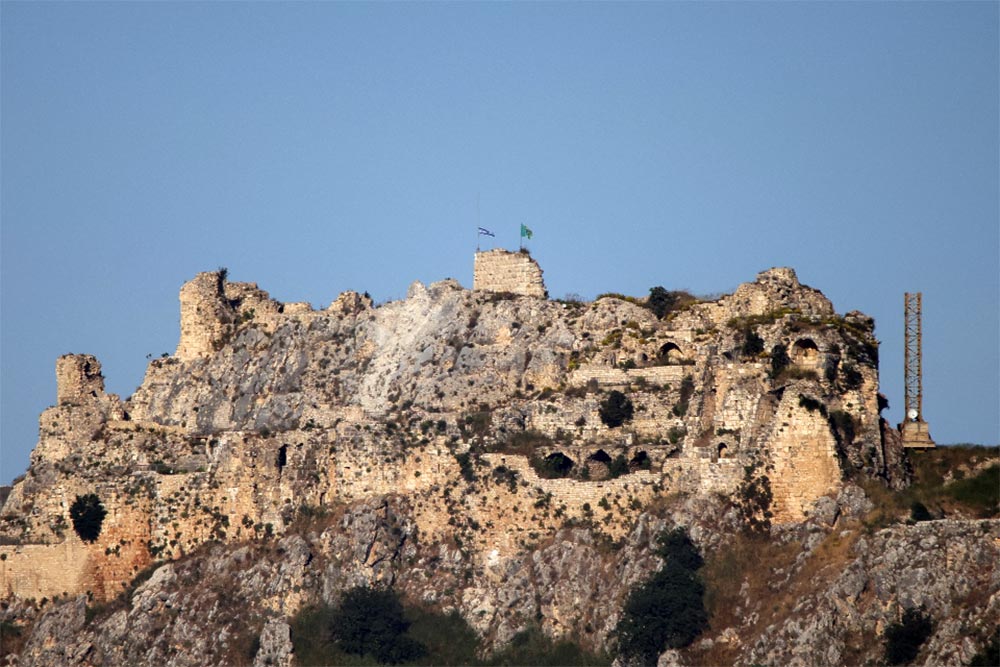 QLAYAA, May 31: Israel's flag flew over the medieval castle of Beaufort in Lebanon on Sunday, as it warned Lebanese civilians to evacuate a large part of the south of the country ahead of stepped up ground operations.
Shelling was audible and smoke rose from the surrounding area as the invading army's banner was seen by AFP above the castle, which Israeli forces famously used as a base during their previous two-decade long occupation.
123 Netanyahu orders deeper incursion targeting Hezbollah positions 123
Israeli Defence Minister Israel Katz said troops had captured the historic strongpoint, which commands sweeping views of south Lebanon, as they expanded their ground operations, which Lebanon's prime minister has condemned as a "scorched earth" policy.
"Forty-four years after the heroic Battle of Beaufort, and on this day commemorating the soldiers who fell in the First Lebanon War, our troops have returned to the summit of Beaufort and once again raised the Israeli flag there," Katz said in a social media post.
Israeli Prime Minister Benjamin Netanyahu said on Sunday he had ordered troops to move further into Lebanon in the battle against the Iran-backed Hezbollah militant group, despite a ceasefire announced more than six weeks ago.
"Under Prime Minister Benjamin Netanyahu and my direction, the IDF expanded the operations in Lebanon, crossed the Litani River, and captured the Beaufort Ridge -- one of the most important strategic points for defending the communities of the Galilee and safeguarding the security of our forces."
Speaking at a military ceremony later on Sunday, Katz boasted Israel's Lebanon campaign has achieved "the elimination of thousands of terrorists and the seizure of hundreds of square kilometres," warning that "whoever harms Israeli civilians will lose their territory from which they operate".
The push to Beaufort came as the Israeli military issued a sweeping evacuation order to areas south of the Zahrani River, north of the Litani and around 40 kilometres (25 miles) from the border, warning that it was targeting the Iran-backed Hezbollah armed group.
"Anyone present near Hezbollah elements, facilities, or combat means endangers their life. Any building used by Hezbollah for military purposes may become subject to targeting!" Israeli military spokesman AvichayAdraee said, in a social media post.
Meanwhile, France has requested an emergency meeting of the United Nations Security Council after Israeli forces seized the medieval Beaufort castle in Lebanon, the French foreign minister said Sunday.
"I have requested an emergency meeting of the United Nations Security Council because, while we recognise Israel's right, like that of all countries, to self-defence... nothing can justify the continuation of Israeli military operations in Lebanon and its ever-deeper occupation of Lebanese territory," Jean-Noel Barrot said on the BFMTV channel.
Lebanon's state news agency reported a series of strikes on the outskirts of the southern city of Tyre, including a strike near a hospital, as well as strikes on several southern villages.
It also said civil defence workers in the Tyre region received phone calls from the Israeli army telling them to evacuate.
Lebanon's prime ministerNawaf Salam had accused Israel on Saturday of pursuing a "scorched-earth policy and collective punishment" in the south, urging a halt to the fighting and warning it was "destroying towns and villages, and forcing their inhabitants into exile".
Military delegations from both countries held security talks in Washington on Friday, with more US-brokered negotiations planned next week.
Salam said the outcome of the negotiations was "not guaranteed", but called them "the least costly path for our country and our people".
A truce to halt the fighting between Israel and Tehran-backed Hezbollah officially began on April 17, but has never been observed. Both Israel and Hezbollah accuse each other daily of violating the ceasefire and justify their attacks by the other's alleged breaches. �"AGENCIES

Loading...
Loading...
Also read



Editor : Iqbal Sobhan Chowdhury
Published by the Editor on behalf of the Observer Ltd. from Globe Printers, 24/A, New Eskaton Road, Ramna, Dhaka.
Editorial, News and Commercial Offices : Aziz Bhaban (2nd floor), 93, Motijheel C/A, Dhaka-1000.
Phone: PABX- 41053001-06; Advertisement: 41053012; 01793317829, 01550707291, E-mail: [email protected], [email protected] Online: email: [email protected] 41053014; 01550707297 Advertisement: 01550707296
Published by the Editor on behalf of the Observer Ltd. from Globe Printers, 24/A, New Eskaton Road, Ramna, Dhaka.
Editorial, News and Commercial Offices : Aziz Bhaban (2nd floor), 93, Motijheel C/A, Dhaka-1000.
Phone: PABX- 41053001-06; Advertisement: 41053012; 01793317829, 01550707291, E-mail: [email protected], [email protected] Online: email: [email protected] 41053014; 01550707297 Advertisement: 01550707296


