



| HEADLINE |

|

Rice prices rise by Tk 2-4kg
Govt decision to reduce taxes on 60 essentials including rice yet to take effect
Published : Saturday, 20 June, 2026 at 12:00 AM
Mizanur Rahman


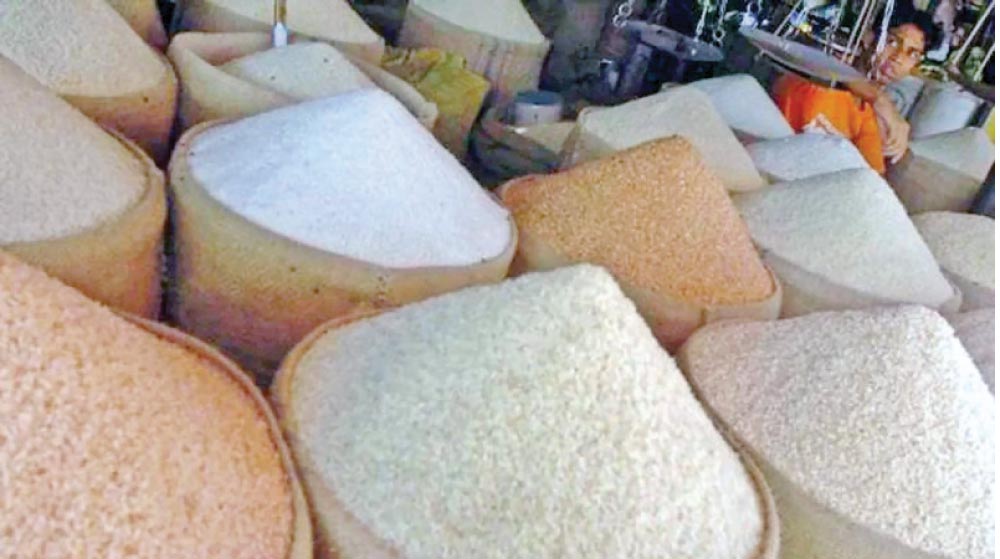 Despite the government's decision to reduce taxes on nearly 60 essential commodities, including rice, consumers have yet to see any relief in the market. Instead, rice prices have increased by Tk 2 to Tk 4 per kilogram over the past week. Traders say prices of fine, medium and coarse rice varieties have risen in both wholesale and retail markets. Consumers expressed frustration, saying the benefits of tax reductions have not reached them. Market analysts attribute the price hike to higher paddy prices, stockpiling by large traders and supply chain inefficiencies despite a satisfactory domestic harvest.
 Sources said that rice prices have started increasing across the country even before the end of the Boro harvesting season, putting additional pressure on consumers, particularly low-and middle-income households.
Market visits to Karwan Bazar, Shantinagar, Nayabazar, Badamtali and Turag areas in the capital, along with discussions with traders and consumers, revealed that rice prices have been on an upward trend since Eid-ul-Azha. Prices of fine rice varieties, including Miniket and Nazirshail, have increased the most, while medium-grade and coarse rice have also become more expensive.
While visiting different kitchen market in the capital this correspondent found that the prices of not only Miniket and Atash, but also Nazirshail rice have by Tk 4-5 per kilogram. "A few days ago, we were selling Nazirshail rice at Tk 78 per kg, but now we have to sell it at Tk 82-83 per kg," said a trader. "In addition, depending on quality, the prices of premium aromatic rice have increased by Tk 10-15 per kilogram."
According to the latest daily market report of the state-owned Trading Corporation of Bangladesh (TCB), the prices of rice have increased in recent weeks. Fine rice varieties such as Nazirshail and Miniket are currently being sold at Tk 72-85 per kilogram, about Tk 2 higher than a few days ago. Medium-quality rice, including Paijam and Atash, is selling at Tk 55-68 per kilogram, while coarse rice varieties are being sold at Tk 52-60 per kilogram.
Retailers attribute the price hike to increased wholesale costs. Saddam Hossain, owner of a departmental store in the Turag area, said traders are being forced to purchase rice at higher prices from wholesalers, leaving little option but to raise retail prices.
Wholesale traders also reported notable increases. Amzad Hossain of MS Islam Rice Agency at Badamtali in Dhaka alleged that large corporate groups and influential traders have purchased and stockpiled significant quantities of paddy, creating artificial pressure on the market.
"Compared to the period before Eid, the price of Miniket rice has increased by Tk 300-400 per sack. This has inevitably affected retail prices," he said.
Moin Uddin of Haji Ismail Rice Agency at Karwan Bazar told the Daily Observer prices of Miniket, Nazirshail and Atash rice have risen by Tk 100-200 per sack, while premium aromatic rice has recorded even steeper increases.
Another trader, Shawon of Noakhali Rice Traders, said prices of Miniket rice have increased by Tk 4-5 per kilogram, Nazirshail by Tk 5-10, and premium rice varieties by as much as Tk 25-30 per kilogram since before Eid.
Rice mill owners, however, rejected allegations that millers are responsible for the price increase. Golam Mostafa, owner of Antim Semi-Auto Rice Mill in Sirajganj's Raiganj, said farmers have already sold most of their paddy and large stockists are now controlling supplies.
"Farmers no longer have significant quantities of paddy. At the same time, the government is procuring paddy and rice from the domestic market. As a result, paddy prices have increased, which has pushed up rice prices as well," he said.
Farhad Hossain, General Secretary of the Naogaon District Rice Mill Owners Group, echoed the same view, saying there is no shortage of paddy or rice in the country. According to him, increased government procurement and higher paddy prices have created temporary pressure on the market.
However, several traders and market observers blamed large millers and seasonal stockists for the situation. They alleged that major operators in rice-producing districts such as Naogaon, Kushtia, Dinajpur and Bogura purchased large volumes of paddy at lower prices and built up stockpiles, preventing prices from declining despite abundant production.

Loading...
Loading...
Also read



Editor : Iqbal Sobhan Chowdhury
Published by the Editor on behalf of the Observer Ltd. from Globe Printers, 24/A, New Eskaton Road, Ramna, Dhaka.
Editorial, News and Commercial Offices : Aziz Bhaban (2nd floor), 93, Motijheel C/A, Dhaka-1000.
Phone: PABX- 41053001-06; Advertisement: 41053012; 01793317829, 01550707291, E-mail: [email protected], [email protected] Online: email: [email protected] 41053014; 01550707297 Advertisement: 01550707296
Published by the Editor on behalf of the Observer Ltd. from Globe Printers, 24/A, New Eskaton Road, Ramna, Dhaka.
Editorial, News and Commercial Offices : Aziz Bhaban (2nd floor), 93, Motijheel C/A, Dhaka-1000.
Phone: PABX- 41053001-06; Advertisement: 41053012; 01793317829, 01550707291, E-mail: [email protected], [email protected] Online: email: [email protected] 41053014; 01550707297 Advertisement: 01550707296


