



| HEADLINE |

|
Chicken or eggs: Which is the better choice for more protein?
Published : Saturday, 1 August, 2026 at 4:43 PM
Observer Online Desk


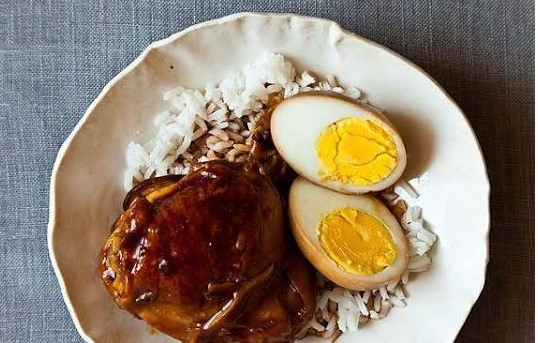
Chicken breast and eggs are both widely recommended as high-quality protein sources, but they differ significantly in terms of protein content, fat and overall nutritional value. If the goal is to maximize protein intake without adding too many calories, chicken breast has a clear advantage, while eggs offer a broader range of essential vitamins and nutrients.
When it comes to increasing protein intake, chicken breast and eggs are among the most popular dietary choices. Both are nutrient-dense and recommended by nutrition experts, but they are not equal in terms of the amount of protein they provide relative to calories.
According to the USDA FoodData Central, 100 grams of cooked, skinless chicken breast contains 31 grams of protein, 165 calories and 3.6 grams of fat. In comparison, 100 grams of boiled eggs provides 12.6 grams of protein, 155 calories and 10.6 grams of fat.
Although the calorie difference between the two foods is minimal just 10 calories per 100 grams, chicken breast delivers more than twice as much protein as boiled eggs while containing significantly less fat.
For individuals looking to increase protein intake without substantially raising calorie consumption, chicken breast is considered the better option. It is also naturally rich in niacin (vitamin B3), vitamin B6, phosphorus and selenium, nutrients that support energy metabolism, immune function and muscle performance.
Because of its high protein-to-calorie ratio, chicken breast is often recommended for people aiming to build muscle, maintain a healthy weight or improve overall protein intake.
Research published in The American Journal of Clinical Nutrition also suggests that increasing protein intake as part of a balanced diet can enhance feelings of fullness and support weight management.
Despite containing less protein, eggs provide several nutrients that are difficult to replace. They are rich in vitamins A, D, E and B12, and are one of the best natural sources of choline, an essential nutrient that supports normal brain function.
Studies published in the journal Nutrients further highlight that eggs contain lutein and zeaxanthin, two antioxidants known to promote eye health along with high-quality protein and a range of essential vitamins and minerals.
Nutrition experts say the choice ultimately depends on an individual's dietary goals.
Those seeking the highest protein intake per calorie may benefit more from chicken breast, thanks to its lean protein content and lower fat levels. On the other hand, eggs offer a convenient source of complete protein together with valuable micronutrients, making them an excellent option for a balanced breakfast or overall healthy diet.
Rather than viewing chicken and eggs as competing foods, experts recommend considering them as complementary sources of nutrition. Chicken breast serves as a lean, protein-rich option, while eggs provide a wider spectrum of essential nutrients that contribute to overall health.
-HIS
Loading...
Loading...
Also read









Editor : Iqbal Sobhan Chowdhury
Published by the Editor on behalf of the Observer Ltd. from Globe Printers, 24/A, New Eskaton Road, Ramna, Dhaka.
Editorial, News and Commercial Offices : Aziz Bhaban (2nd floor), 93, Motijheel C/A, Dhaka-1000.
Phone: PABX- 41053001-06; Advertisement: 41053012; 01793317829, 01550707291, E-mail: [email protected], [email protected] Online: email: [email protected] 41053014; 01550707297 Advertisement: 01550707296
Published by the Editor on behalf of the Observer Ltd. from Globe Printers, 24/A, New Eskaton Road, Ramna, Dhaka.
Editorial, News and Commercial Offices : Aziz Bhaban (2nd floor), 93, Motijheel C/A, Dhaka-1000.
Phone: PABX- 41053001-06; Advertisement: 41053012; 01793317829, 01550707291, E-mail: [email protected], [email protected] Online: email: [email protected] 41053014; 01550707297 Advertisement: 01550707296


