



| HEADLINE |

|

Hundreds fall victim to measles outbreak despite successful vaccine rollout
Published : Monday, 10 August, 2026 at 8:00 PM
Observer Online Report


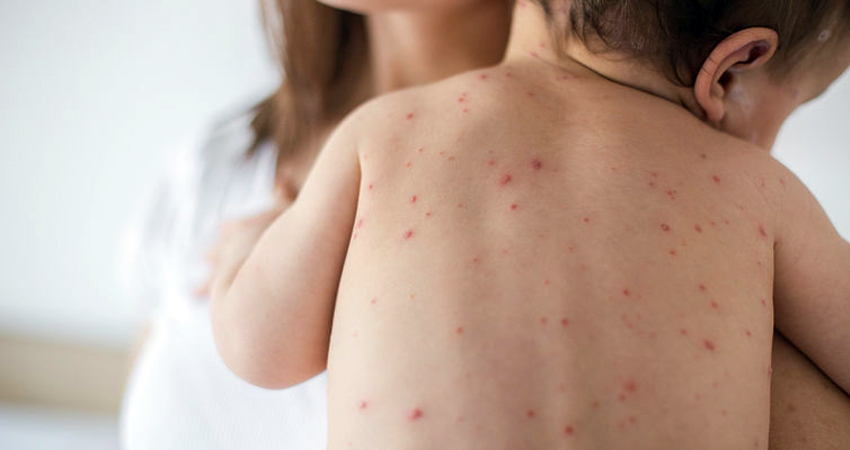
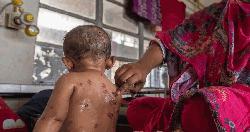
The ongoing measles outbreak continues to claim lives and infect hundreds across the country, despite the government's successful rollout of measles-rubella vaccines.
At least 873 people have died so far from measles and related symptoms, leaving relatives desperately moving patients from one hospital to another.
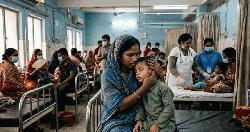
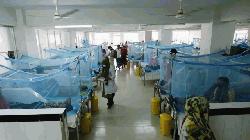
The surge in cases has triggered an unprecedented crisis in hospital wards, including Intensive Care Units (ICUs) and Neonatal Intensive Care Units (NICUs), with several facilities running out of available space.
Many families are exhausting their savings or taking out loans to cover treatment costs.
The outbreak has affected both vaccinated and unvaccinated individuals, with infants too young for immunization being particularly vulnerable.
Criticism has emerged regarding the previous government's delay in addressing the crisis, as research demands made at the onset of the outbreak were initially overlooked. The Institute of Epidemiology, Disease Control and Research (IEDCR) initiated its investigation only after the death toll began to surge.
Preliminary findings by the IEDCR confirm that the active measles strain is indigenous, with no foreign or new strain involved.
However, because children receiving one or two vaccine doses have still contracted the disease, the institute is investigating potential reasons behind the vaccine's reduced efficacy.
Official data reflects cases admitted to hospitals between March 15 and August 9 at 8:00AM, indicating that the total number of community infections outside hospital settings is likely higher.
Commenting on the situation, Professor ABM Abdullah suggested that the virus may have mutated or altered its behavior, hindering vaccine effectiveness. He also emphasized the need to review whether the vaccination program is being properly administered.
Furthermore, Professor Abdullah identified malnutrition as a major contributing factor. He noted that malnourished individuals suffer from weakened immune systems, rendering them far more susceptible to severe infection.
Health experts have called for an urgent study on infected and deceased patients to examine the virus's behavior, immune responses, and the overall vaccination delivery process.
-SA/NS

Loading...
Loading...
Also read

Editor : Iqbal Sobhan Chowdhury
Published by the Editor on behalf of the Observer Ltd. from Globe Printers, 24/A, New Eskaton Road, Ramna, Dhaka.
Editorial, News and Commercial Offices : Aziz Bhaban (2nd floor), 93, Motijheel C/A, Dhaka-1000.
Phone: PABX- 41053001-06; Advertisement: 41053012; 01793317829, 01550707291, E-mail: [email protected], [email protected] Online: email: [email protected] 41053014; 01550707297 Advertisement: 01550707296
Published by the Editor on behalf of the Observer Ltd. from Globe Printers, 24/A, New Eskaton Road, Ramna, Dhaka.
Editorial, News and Commercial Offices : Aziz Bhaban (2nd floor), 93, Motijheel C/A, Dhaka-1000.
Phone: PABX- 41053001-06; Advertisement: 41053012; 01793317829, 01550707291, E-mail: [email protected], [email protected] Online: email: [email protected] 41053014; 01550707297 Advertisement: 01550707296


