



| HEADLINE |

|

Bangladesh, Singapore hopeful of early conclusion of FTA
Published : Wednesday, 12 August, 2026 at 9:42 AM
Observer Online Desk


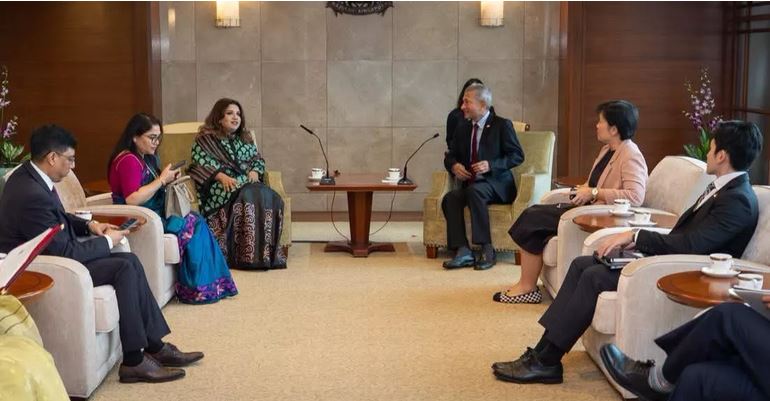
Bangladesh and Singapore on Tuesday expressed hope for the early conclusion of the Bangladesh-Singapore Free Trade Agreement (FTA) and emphasised stronger business-to-business engagement.
The two countries also exchanged views on energy security, including risks to energy supplies, shipping and global supply chains, as well as climate change, water security, and illegal and irregular migration.
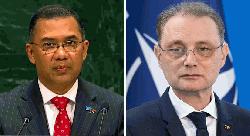
State Minister for Foreign Affairs Shama Obaed Islam met Singapore’s Foreign Affairs Minister Dr Vivian Balakrishnan and its State Minister for Foreign Affairs Zhulkarnain Abdul Rahim separately; and discussed issues of mutual interest.
She also visited the Port of Singapore Authority (PSA) and met Vincent Ng, Regional CEO, Middle East, South Asia, Africa and Türkiye, PSA, and senior officials.
The State Minister was briefed on PSA’s global operations and the use of automation and advanced technologies to develop efficient, sustainable and smart ports.
Vincent Ng expressed PSA’s interest in participating in the Bay Terminal project in Bangladesh, noting its potential to significantly enhance Chattogram Port and Bangladesh’s trade and connectivity, said the Ministry of Foreign Affairs.
The State Minister welcomed PSA’s interest and expressed hope for enhanced cooperation in port development, logistics, technology transfer, and capacity building, in line with Bangladesh’s priorities of industrialisation, infrastructure development and connectivity.
"We discussed ways to deepen cooperation, including expanding trade and strengthening our energy partnership. We are also making good progress on a bilateral Free Trade Agreement, which will create more opportunities for businesses in both countries," said the Foreign Minister of Singapore.
He said Singapore and Bangladesh share a longstanding partnership and close people-to-people ties.
At the outset, the State Minister of Bangladesh met the Minister of State for Foreign Affairs of Singapore.
During the meeting, both sides expressed satisfaction with the longstanding and friendly relations between Bangladesh and Singapore and reaffirmed their commitment to further strengthening bilateral cooperation.
The discussions focused on trade, investment, and economic cooperation.
The State Minister highlighted Bangladesh’s potential to diversify exports to Singapore beyond RMG, including pharmaceuticals, ceramics, agro-products, and jute and jute products, and invited greater Singaporean investment in logistics, supply chains, renewable energy and research. Both sides also discussed opportunities to deepen economic cooperation.
She also highlighted Bangladesh’s focus on skills development, TVET, and capacity building, and proposed greater employment opportunities for Bangladeshi nurses in Singapore’s elderly care and nursing sectors, including cooperation on relevant training.
The two sides exchanged views on climate change, water security, carbon credits, and research cooperation.
She highlighted Bangladesh’s climate vulnerability and experience in resilience-building and expressed interest in enhanced cooperation, particularly ahead of the next UN Climate Change Conference (COP).
They also discussed cybersecurity, digitalisation, and cooperation in combating mosquito-borne diseases.
Referring to the leadership of the Prime Minister of Bangladesh, Tarique Rahman, the State Minister informed that the current Government has adopted a “Bangladesh First” policy and identified the following priorities: stability, peace and democracy, economic diplomacy, employment generation, and good governance.
She also highlighted Bangladesh’s interest in reviving SAARC.
The Rohingya crisis was also discussed, with the State Minister seeking Singapore’s support for the safe, voluntary, and sustainable repatriation of the Rohingya to Myanmar and highlighting its wider security implications.
The Singaporean Minister of State underscored the importance of continued dialogue and engagement and noted Singapore’s humanitarian assistance to the Rohingya.
Immediately thereafter, the State Minister met Dr Vivian Balakrishnan and discussed bilateral, regional, and global issues of mutual interest while expressing satisfaction with the close and friendly relations between the two countries.
She invited greater Singaporean investment in Bangladesh, particularly in renewable energy, logistics, research, and other emerging sectors, and reaffirmed Bangladesh’s commitment to a business-friendly and predictable investment environment.
The State Minister stressed the importance of safe, regular, and orderly migration.
She raised the Rohingya crisis and sought Singapore’s support for a sustainable solution and the safe, voluntary, and sustainable repatriation of the Rohingya to Myanmar.
She also highlighted Bangladesh’s interest in reviving SAARC and becoming a Dialogue Partner of ASEAN and sought Singapore’s support in these endeavours.
Later in the afternoon, State Minister Shama Obaed Islam, MP, visited the TuasOne Waste-to-Energy Plant, where she was briefed by the National Environment Agency (NEA) on Singapore’s integrated approach to waste collection, treatment and energy recovery.
Appreciating Singapore’s advanced and sustainable waste management practices, she expressed interest in promoting cooperation between the relevant authorities of Bangladesh and Singapore to exchange knowledge and explore opportunities in waste management, waste-to-energy technology, and environmental sustainability.
The engagements were held in a warm and cordial atmosphere and reaffirmed the shared commitment of Bangladesh and Singapore to further deepen bilateral relations and expand cooperation in areas of mutual interest.
The two countries also exchanged views on energy security, including risks to energy supplies, shipping and global supply chains, as well as climate change, water security, and illegal and irregular migration.
State Minister for Foreign Affairs Shama Obaed Islam met Singapore’s Foreign Affairs Minister Dr Vivian Balakrishnan and its State Minister for Foreign Affairs Zhulkarnain Abdul Rahim separately; and discussed issues of mutual interest.
She also visited the Port of Singapore Authority (PSA) and met Vincent Ng, Regional CEO, Middle East, South Asia, Africa and Türkiye, PSA, and senior officials.
The State Minister was briefed on PSA’s global operations and the use of automation and advanced technologies to develop efficient, sustainable and smart ports.
Vincent Ng expressed PSA’s interest in participating in the Bay Terminal project in Bangladesh, noting its potential to significantly enhance Chattogram Port and Bangladesh’s trade and connectivity, said the Ministry of Foreign Affairs.
The State Minister welcomed PSA’s interest and expressed hope for enhanced cooperation in port development, logistics, technology transfer, and capacity building, in line with Bangladesh’s priorities of industrialisation, infrastructure development and connectivity.
"We discussed ways to deepen cooperation, including expanding trade and strengthening our energy partnership. We are also making good progress on a bilateral Free Trade Agreement, which will create more opportunities for businesses in both countries," said the Foreign Minister of Singapore.
He said Singapore and Bangladesh share a longstanding partnership and close people-to-people ties.
At the outset, the State Minister of Bangladesh met the Minister of State for Foreign Affairs of Singapore.
During the meeting, both sides expressed satisfaction with the longstanding and friendly relations between Bangladesh and Singapore and reaffirmed their commitment to further strengthening bilateral cooperation.
The discussions focused on trade, investment, and economic cooperation.
The State Minister highlighted Bangladesh’s potential to diversify exports to Singapore beyond RMG, including pharmaceuticals, ceramics, agro-products, and jute and jute products, and invited greater Singaporean investment in logistics, supply chains, renewable energy and research. Both sides also discussed opportunities to deepen economic cooperation.
She also highlighted Bangladesh’s focus on skills development, TVET, and capacity building, and proposed greater employment opportunities for Bangladeshi nurses in Singapore’s elderly care and nursing sectors, including cooperation on relevant training.
The two sides exchanged views on climate change, water security, carbon credits, and research cooperation.
She highlighted Bangladesh’s climate vulnerability and experience in resilience-building and expressed interest in enhanced cooperation, particularly ahead of the next UN Climate Change Conference (COP).
They also discussed cybersecurity, digitalisation, and cooperation in combating mosquito-borne diseases.
Referring to the leadership of the Prime Minister of Bangladesh, Tarique Rahman, the State Minister informed that the current Government has adopted a “Bangladesh First” policy and identified the following priorities: stability, peace and democracy, economic diplomacy, employment generation, and good governance.
She also highlighted Bangladesh’s interest in reviving SAARC.
The Rohingya crisis was also discussed, with the State Minister seeking Singapore’s support for the safe, voluntary, and sustainable repatriation of the Rohingya to Myanmar and highlighting its wider security implications.
The Singaporean Minister of State underscored the importance of continued dialogue and engagement and noted Singapore’s humanitarian assistance to the Rohingya.
Immediately thereafter, the State Minister met Dr Vivian Balakrishnan and discussed bilateral, regional, and global issues of mutual interest while expressing satisfaction with the close and friendly relations between the two countries.
She invited greater Singaporean investment in Bangladesh, particularly in renewable energy, logistics, research, and other emerging sectors, and reaffirmed Bangladesh’s commitment to a business-friendly and predictable investment environment.
The State Minister stressed the importance of safe, regular, and orderly migration.
She raised the Rohingya crisis and sought Singapore’s support for a sustainable solution and the safe, voluntary, and sustainable repatriation of the Rohingya to Myanmar.
She also highlighted Bangladesh’s interest in reviving SAARC and becoming a Dialogue Partner of ASEAN and sought Singapore’s support in these endeavours.
Later in the afternoon, State Minister Shama Obaed Islam, MP, visited the TuasOne Waste-to-Energy Plant, where she was briefed by the National Environment Agency (NEA) on Singapore’s integrated approach to waste collection, treatment and energy recovery.
Appreciating Singapore’s advanced and sustainable waste management practices, she expressed interest in promoting cooperation between the relevant authorities of Bangladesh and Singapore to exchange knowledge and explore opportunities in waste management, waste-to-energy technology, and environmental sustainability.
The engagements were held in a warm and cordial atmosphere and reaffirmed the shared commitment of Bangladesh and Singapore to further deepen bilateral relations and expand cooperation in areas of mutual interest.

Loading...
Loading...
Also read





Editor : Iqbal Sobhan Chowdhury
Published by the Editor on behalf of the Observer Ltd. from Globe Printers, 24/A, New Eskaton Road, Ramna, Dhaka.
Editorial, News and Commercial Offices : Aziz Bhaban (2nd floor), 93, Motijheel C/A, Dhaka-1000.
Phone: PABX- 41053001-06; Advertisement: 41053012; 01793317829, 01550707291, E-mail: [email protected], [email protected] Online: email: [email protected] 41053014; 01550707297 Advertisement: 01550707296
Published by the Editor on behalf of the Observer Ltd. from Globe Printers, 24/A, New Eskaton Road, Ramna, Dhaka.
Editorial, News and Commercial Offices : Aziz Bhaban (2nd floor), 93, Motijheel C/A, Dhaka-1000.
Phone: PABX- 41053001-06; Advertisement: 41053012; 01793317829, 01550707291, E-mail: [email protected], [email protected] Online: email: [email protected] 41053014; 01550707297 Advertisement: 01550707296


