



| HEADLINE |

|

Blood sugar can rise even without diabetes


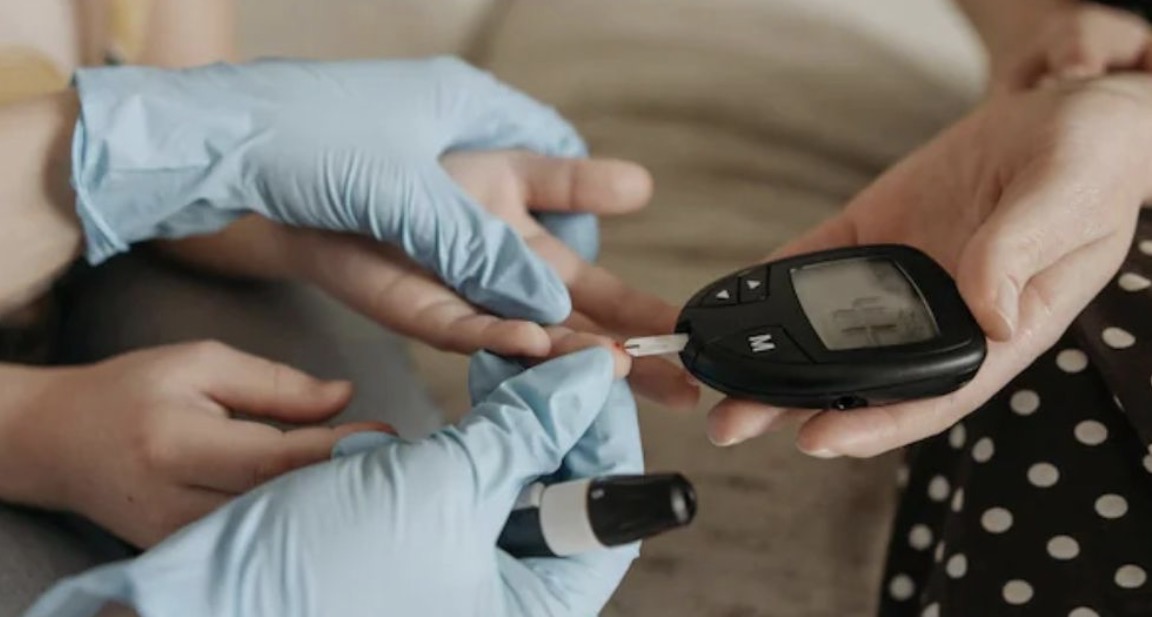
Blood sugar levels can temporarily rise even in people who do not have diabetes. Experts say factors such as food, physical activity, lack of sleep, stress and illness can all cause short-term increases in blood glucose.
A single high blood sugar reading does not necessarily mean a person has diabetes. How high the level is, how long it remains elevated, how often it happens and whether it returns to normal are more important factors.
Blood sugar naturally rises after eating, particularly after consuming carbohydrate-rich foods. The digestive system breaks carbohydrates down into glucose, which enters the bloodstream. The pancreas then releases insulin, helping glucose move into muscles and other cells.
Foods such as white rice, potatoes, sugary drinks and sweets can raise blood sugar relatively quickly. In contrast, vegetables, protein, healthy fats and high-fibre foods can slow the rise. The amount of food consumed also matters.
Stress can also temporarily increase blood sugar. During periods of intense stress, the body releases hormones such as cortisol and adrenaline, which signal the liver to release stored glucose into the bloodstream. Similar changes can occur during infections, fever or physical injury, when stress hormones increase and insulin may become less effective.
Lack of sleep may also affect blood sugar by reducing insulin sensitivity and altering appetite regulation. Regularly getting too little sleep while experiencing elevated blood sugar may therefore be linked.
Exercise generally helps lower blood sugar because muscles use glucose for energy. However, very intense exercise can temporarily raise blood sugar as hormones such as adrenaline stimulate the liver to release additional glucose. Regular physical activity remains beneficial in the long term as it can improve insulin sensitivity.
Certain medicines, including corticosteroids such as prednisolone, can also increase blood glucose. Some hormonal and other medicines may have similar effects. Anyone who repeatedly notices higher blood sugar after starting a new medicine should consult a doctor rather than stopping the medicine on their own.
Dietary habits are another important factor. A meal high in rapidly absorbed carbohydrates, such as sweet tea with white bread and jam, can cause a quick rise in glucose. Combining carbohydrates with protein and choosing fibre-rich foods can help slow the increase.
Repeatedly high blood sugar readings, however, should not be ignored. Symptoms such as excessive thirst, frequent urination, unexplained weight loss, unusual tiredness or blurred vision may require medical attention.
A doctor may recommend tests such as fasting blood glucose, an oral glucose tolerance test or HbA1c. HbA1c provides an estimate of average blood sugar over the previous two to three months and can therefore offer a better indication of long-term glucose control than a single reading after a meal.
Repeatedly elevated blood sugar can also be a sign of prediabetes, a condition in which the body becomes less sensitive to insulin. Many people with prediabetes have no obvious symptoms. Those with risk factors such as excess abdominal fat, a family history of diabetes, high blood pressure, abnormal cholesterol levels or a history of diabetes during pregnancy may benefit from regular testing.
A temporary rise in blood sugar after a heavy meal, intense exercise or a stressful situation is not necessarily a sign of disease. However, repeated high readings without an obvious cause, particularly when accompanied by symptoms, should be discussed with a doctor.
Keeping a record of blood sugar readings along with information about meals, physical activity, illness and stress can also help doctors assess whether elevated glucose is part of a recurring pattern.
SKS










Published by the Editor on behalf of the Observer Ltd. from Globe Printers, 24/A, New Eskaton Road, Ramna, Dhaka.
Editorial, News and Commercial Offices : Aziz Bhaban (2nd floor), 93, Motijheel C/A, Dhaka-1000.
Phone: PABX- 41053001-06; Advertisement: 41053012; 01793317829, 01550707291, 01550707296
E-mail: [email protected], [email protected]. [email protected], [email protected], [email protected], [email protected], Online-email: [email protected]


