



| HEADLINE |

|

Dhaka considering four conditions for India power corridor
Published : Friday, 28 August, 2026 at 5:52 PM
Observer Online Report


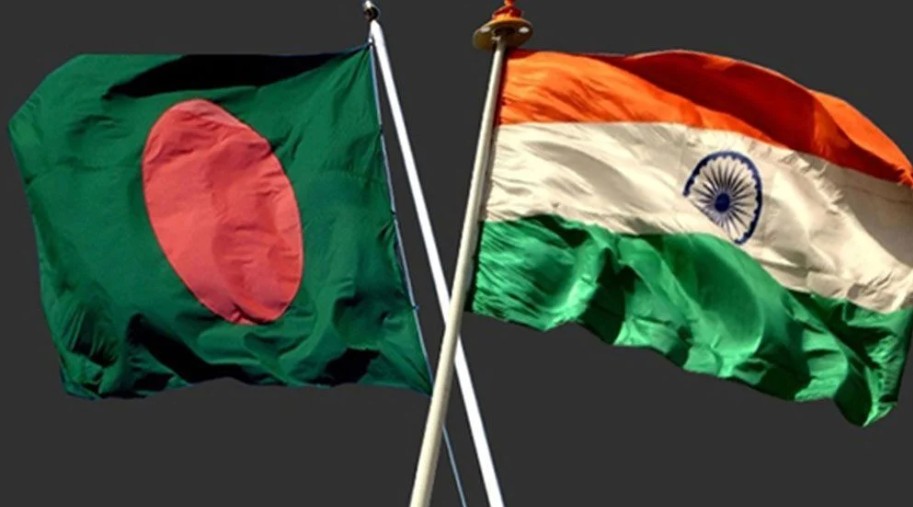
Bangladesh is considering four conditions before allowing India to build a 765kV high-voltage transmission line through its territory, as New Delhi seeks to use the country as a power transmission corridor.
The proposed line would run from Barnagar in Assam to Katihar in Bihar through Bangladesh. Dhaka wants clarity on whether power generated by damming the Brahmaputra would be transmitted through the line, as well as the benefits Bangladesh would receive from the arrangement.
According to government sources, the first condition is that India must clarify whether electricity generated from a dam on the Brahmaputra would flow through the proposed line. Bangladesh is concerned that such a project could have serious impacts on the northern region during the dry season.
The second condition is that Bangladesh must be allowed to build a separate grid line to import cheaper hydropower from Nepal and Bhutan.
The third condition is to specify how much electricity Bangladesh would be able to import through the proposed line. The fourth is to assess the economic costs and benefits for Bangladesh before allowing the transmission line to be built.
The Ministry of Foreign Affairs and the Power Division have prepared documents on the issue following India's request, sources said.
Indian High Commissioner to Bangladesh Dinesh Trivedi raised the issue of the 765kV grid line during a meeting with Power and Energy Minister Iqbal Hasan Mahmud on August 6.
“We are not considering the matter in the way India wants to take the grid line through Bangladesh. Dhaka is considering a joint grid line involving Bangladesh, India, Nepal and Bhutan,” Mahmud told Jugantor after the meeting.
Earlier, Power Secretary Mirana Mahrook discussed power-related issues with senior Indian officials during a visit to New Delhi at the end of July. The proposed transmission line was also discussed, according to sources.
Prof M Tamim, vice-chancellor of Bangladesh Independent University and an energy expert, said a regional grid involving India, Nepal and Bhutan was important for Bangladesh’s energy security.
“Bangladesh can import electricity from whichever country can supply it at a lower cost,” he said.
sks
Loading...
Loading...
Also read





Editor : Iqbal Sobhan Chowdhury
Published by the Editor on behalf of the Observer Ltd. from Globe Printers, 24/A, New Eskaton Road, Ramna, Dhaka.
Editorial, News and Commercial Offices : Aziz Bhaban (2nd floor), 93, Motijheel C/A, Dhaka-1000.
Phone: PABX- 41053001-06; Advertisement: 41053012; 01793317829, 01550707291, E-mail: [email protected], [email protected] Online: email: [email protected] 41053014; 01550707297 Advertisement: 01550707296
Published by the Editor on behalf of the Observer Ltd. from Globe Printers, 24/A, New Eskaton Road, Ramna, Dhaka.
Editorial, News and Commercial Offices : Aziz Bhaban (2nd floor), 93, Motijheel C/A, Dhaka-1000.
Phone: PABX- 41053001-06; Advertisement: 41053012; 01793317829, 01550707291, E-mail: [email protected], [email protected] Online: email: [email protected] 41053014; 01550707297 Advertisement: 01550707296


