



| HEADLINE |

|

Japan eases overtime rules amid fears of return to overwork culture
Published : Tuesday, 1 September, 2026 at 7:02 PM
Observer correspondent


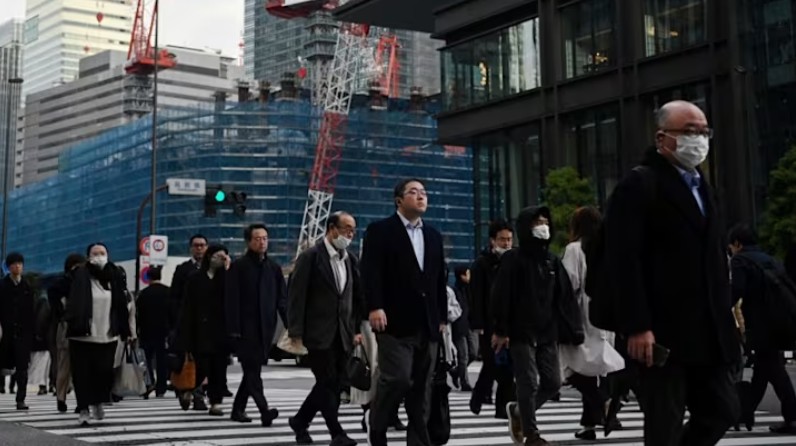
Japan has eased the enforcement of overtime regulations as part of efforts to boost economic growth and address a deepening labour shortage, prompting concerns that the country could slide back towards its long-standing culture of overwork.
The move comes after the government led by Prime Minister Sanae Takaichi, who has described herself as a workaholic, called for revisions to the existing oversight of working hours to allow greater flexibility.
According to the labour ministry, around 40 per cent of businesses in Japan operate under special labour-management agreements that legally allow up to 100 hours of overtime a month.
Authorities had advised such companies to limit monthly overtime to 45 hours, in line with regulatory standards, in an effort to reduce cases of *karoshi*, or death from overwork.
Under the new rules, however, labour inspection officers will no longer pressure businesses operating under such agreements to comply with the 45-hour overtime guideline.
A May survey by the Japan Chamber of Commerce and Industry found that stricter enforcement had restricted the activities of around 20 per cent of small and medium-sized businesses, particularly in labour-short sectors such as construction, transport and hospitality.
Critics, however, warned that the move could undermine efforts to modernise Japan's corporate culture, which has long been associated with excessively long working hours.
Japan has in recent years introduced measures to promote a healthier work-life balance, particularly following the 2015 suicide of a 24-year-old employee at advertising giant Dentsu.
The National Confederation of Trade Unions, commonly known as Zenroren, criticised the policy shift, calling it unacceptable.
The labour ministry said it would continue monitoring companies to ensure they take appropriate measures to protect employees' wellbeing. Businesses without special labour-management agreements will remain legally required to keep monthly overtime at 45 hours or less.
Japan has long struggled with karoshi, a term meaning death from overwork, which reflects the extreme human cost of the country's demanding workplace culture.
ns
Loading...
Loading...
Also read









Editor : Iqbal Sobhan Chowdhury
Published by the Editor on behalf of the Observer Ltd. from Globe Printers, 24/A, New Eskaton Road, Ramna, Dhaka.
Editorial, News and Commercial Offices : Aziz Bhaban (2nd floor), 93, Motijheel C/A, Dhaka-1000.
Phone: PABX- 41053001-06; Advertisement: 41053012; 01793317829, 01550707291, E-mail: [email protected], [email protected] Online: email: [email protected] 41053014; 01550707297 Advertisement: 01550707296
Published by the Editor on behalf of the Observer Ltd. from Globe Printers, 24/A, New Eskaton Road, Ramna, Dhaka.
Editorial, News and Commercial Offices : Aziz Bhaban (2nd floor), 93, Motijheel C/A, Dhaka-1000.
Phone: PABX- 41053001-06; Advertisement: 41053012; 01793317829, 01550707291, E-mail: [email protected], [email protected] Online: email: [email protected] 41053014; 01550707297 Advertisement: 01550707296


