



| HEADLINE |

|
Pirojpur tops dengue cases in Barishal, patients treated on hospital floor
Published : Sunday, 20 September, 2026 at 4:29 PM
Observer online report


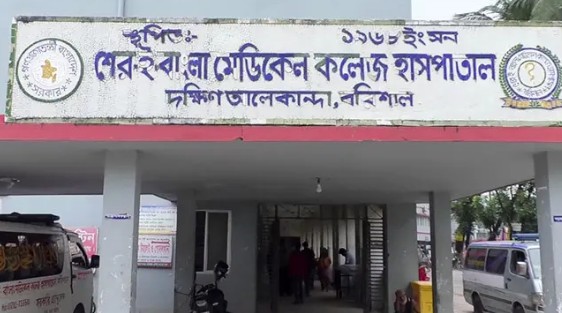
Pirojpur has recorded the highest number of dengue cases in Barishal division this year, with the rising number of patients forcing the district hospital to provide treatment on the floor due to a shortage of beds.
A total of 9,416 dengue patients have been reported across the division from January 1 to September 19, according to the latest health department data. Of them, 13 have died.
Jhalakathi recorded the highest number of deaths at six, followed by Pirojpur with three. Four residents of Barguna also died while undergoing treatment at Sher-e-Bangla Medical College Hospital in Barishal.
According to the Directorate General of Health Services, Pirojpur recorded 2,464 dengue cases during the period. Of them, 2,298 patients recovered and returned home, while 165 are still undergoing treatment.
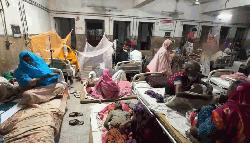
The rising number of patients has put pressure on hospitals in Pirojpur. With insufficient beds, patients are being treated on the floor of the district hospital.
Jhalakathi recorded the second-highest number of cases in the division, with 2,016 patients reported during the period. Of them, 1,960 recovered and 55 remain under treatment.
Patuakhali ranked third with 1,362 patients. Of them, 1,258 recovered and 104 are still receiving treatment.
Barguna ranked fourth with 1,277 patients, of whom 1,176 recovered and 101 remain under treatment.
Barishal ranked fifth with 911 patients. Of them, 843 recovered and 68 are still undergoing treatment.
Bhola recorded the lowest number of cases in the division, with 566 patients reported during the period. Of them, 527 recovered and 39 remain under treatment.
Meanwhile, 802 dengue patients from different parts of the division have been admitted to Sher-e-Bangla Medical College Hospital in Barishal. Of them, 642 have recovered, while 167 are still undergoing treatment.
A patient, Delwar Hossain, said each hospital bed is provided with a mosquito net, but additional nets are not always available when the number of patients rises. He also said some patients do not use the nets properly despite receiving them.
Pirojpur hospital authorities said around 40 dengue patients are being admitted daily on average. The 100-bed district hospital is struggling to provide treatment to the growing number of patients, forcing some to receive treatment on the floor.
Nazma Begum, a patient at the hospital, said she had been suffering from weakness, fatigue and nausea for several days. The high number of patients has made it difficult to find accommodation and receive necessary treatment, she said.
Fatema Begum, a patient's relative, said she admitted her grandson after his condition deteriorated. As no bed was available, he had to be kept on the floor on a sheet, she said.
Pirojpur Civil Surgeon Dr Md Motiur Rahman said there had been some sluggishness in mosquito-control activities. However, adequate medicines and saline are available at the district hospital and upazila health complexes, while dengue antigen test kits are also being supplied.
He said patients are receiving free treatment under government arrangements.
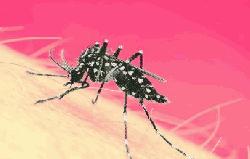
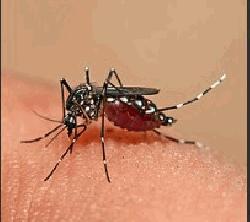
According to the civil surgeon, water accumulated around cut tree stumps, coconut shells, rooftops, construction sites, drains and nursery pots has become a breeding ground for Aedes mosquitoes in Pirojpur. He said steps had been discussed with municipal and upazila administration officials to intensify mosquito-control activities.
In Jhalakathi, Civil Surgeon Dr Humayun Kabir expressed concern over the rising number of dengue cases. He said nine areas, including Kathpatti, Bandaghat, Banshpatti, Kalabagan, Station Road, City Park and Fakirbari, have been identified as dengue-risk areas.
Barishal Divisional Health Director Dr Md Refayetul Haider said Barguna had previously been identified as a dengue hotspot in the division, but the number of cases there has declined this year. Pirojpur has recorded the highest number of cases this year, followed by Jhalakathi, he said.
He said public awareness about dengue prevention had increased to some extent, but more awareness was needed. He also called for stronger mosquito-control activities by union parishads, municipalities and city corporations.
sks
Loading...
Loading...
Also read


Editor : Iqbal Sobhan Chowdhury
Published by the Editor on behalf of the Observer Ltd. from Globe Printers, 24/A, New Eskaton Road, Ramna, Dhaka.
Editorial, News and Commercial Offices : Aziz Bhaban (2nd floor), 93, Motijheel C/A, Dhaka-1000.
Phone: PABX- 41053001-06; Advertisement: 41053012; 01793317829, 01550707291, E-mail: [email protected], [email protected] Online: email: [email protected] 41053014; 01550707297 Advertisement: 01550707296
Published by the Editor on behalf of the Observer Ltd. from Globe Printers, 24/A, New Eskaton Road, Ramna, Dhaka.
Editorial, News and Commercial Offices : Aziz Bhaban (2nd floor), 93, Motijheel C/A, Dhaka-1000.
Phone: PABX- 41053001-06; Advertisement: 41053012; 01793317829, 01550707291, E-mail: [email protected], [email protected] Online: email: [email protected] 41053014; 01550707297 Advertisement: 01550707296


