



| HEADLINE |

|

Fire Service issues 13-point directive to prevent dry season fires
Published : Monday, 19 October, 2026 at 10:23 AM
Observer Online Report


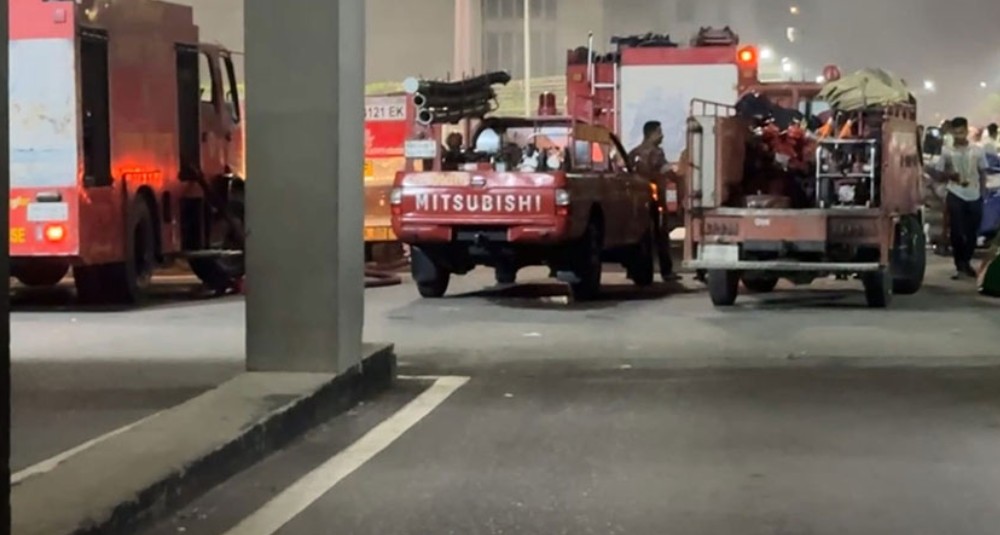
Collected Photo
Fire Service and Civil Defence issued a 13-point guideline advising the public to remain vigilant and adhere to fire safety regulations to prevent fire accidents during the dry season.
Noting that negligence and lack of awareness significantly increase the risk of fire hazards, the emergency service outlined the following instructions to mitigate risks:
Comply with the Law: Ensure fire safety by following the 'Fire Prevention and Extinction Act, 2003' and other related laws and regulations.
Ensure Building Fire Safety: Formulate a fire safety plan during building construction and properly implement all its provisions.
Turn Off Gas Connections: Turn off stoves and gas connections after cooking. Avoid blowing on gas stoves to extinguish them; instead, turn off the stove knob properly.
Exercise Caution with Smoking: Completely extinguish lit bidis and cigarettes before disposing of them in designated safe areas.
Keep Children Safe: Prevent young children from playing with fire, matches, and lighters.
Avoid Open Flames Near Flammable Materials: Refrain from using open lamps and mosquito coils in warehouses storing flammable goods. Exercise caution when using them in other locations.
Ensure Kitchen Ventilation: Open kitchen doors and windows before lighting a gas stove. Lighting a stove while accumulated gas is present poses extreme danger.
Maintain Electrical Safety: Inspect electrical connections, wires, switches, and appliances regularly. Avoid defective wiring and electrical overloading.
Maintain Firefighting Equipment: Install adequate fire extinguishers in homes, factories, and commercial establishments based on requirements. Learn how to operate them and organize regular fire safety drills.
Undergo Training: Participate in training programs on fire prevention, firefighting, rescue operations, and first aid conducted by the Fire Service and Civil Defence.
Exercise Caution in Re-entering Closed Premises: Upon entering flats, houses, or establishments that have remained closed for long periods, open doors and windows to ensure adequate ventilation. If gas leakage or accumulation is suspected, do not turn on electrical switches, light fires, or strike matches. Seek emergency assistance from a safe distance.
Store Emergency Contact Numbers: Keep contact numbers for the nearest fire station handy. In emergencies, contact the Fire Service hotline at 102 or the National Emergency Service at 999.
Maintain Vigilance in Hotels and Restaurants: Regularly inspect gas cylinders, gas stoves, and electrical connections while strictly adhering to fire safety rules.
The Fire Service and Civil Defence emphasized that prevention is the most effective defense against fire accidents. Consequently, fire hazards can be minimized through heightened awareness, adherence to safety rules, and preparedness to handle emergency situations.
-SA

Loading...
Loading...
Also read









Editor : Iqbal Sobhan Chowdhury
Published by the Editor on behalf of the Observer Ltd. from Globe Printers, 24/A, New Eskaton Road, Ramna, Dhaka.
Editorial, News and Commercial Offices : Aziz Bhaban (2nd floor), 93, Motijheel C/A, Dhaka-1000.
Phone: PABX- 41053001-06; Advertisement: 41053012; 01793317829, 01550707291, E-mail: [email protected], [email protected] Online: email: [email protected] 41053014; 01550707297 Advertisement: 01550707296


