



| HEADLINE |

|

Gram Sarkar structure set to return after 46 years under new draft
Published : Tuesday, 27 October, 2026 at 10:05 PM
Observer Online Report


Collected Photo
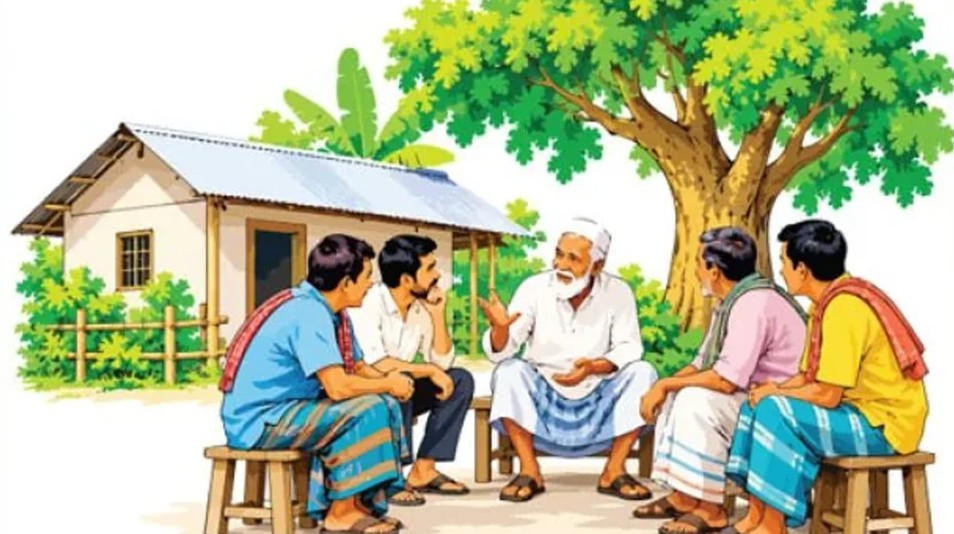
The government has initiated moves to reinstate the "Gram Sarkar" system after 46 years, releasing a draft law that proposes establishing a 17-member body in every Union Parishad ward across the country.
The Local Government Division has drafted the "Gram Sarkar Act, 2026", reviving a local governance model first introduced in 1980 during the tenure of late President Ziaur Rahman as "Swanirvar Gram Sarkar". While the BNP-led government enacted a similar law in 2003, it was repealed in 2009 before implementation. Public feedback has now been sought on the new draft.
Under the proposed legislation, each Gram Sarkar will consist of a head, an advisor, and 15 members, serving a five-year term starting from their first meeting. The elected Union Parishad member representing the ward will serve as head, while the reserved-seat female member will act as advisor.
The 15 members will include local dignitaries, trained Ansar-VDP personnel, farmers, marriage registrars, cooperative members, rural doctors, teachers, business leaders, professionals, laborers, youth representatives, and ethnic minority members where applicable. Members will be selected via a binary vote requiring a 10 per cent voter turnout in the ward, supervised by the Upazila Nirbahi Officer.
The draft law assigns broad operational mandates to the body, including prioritizing local road and culvert projects, supporting government service delivery, and resolving local disputes. It will also work to build social resistance against crime, drugs, and violence against women, while promoting school attendance, primary healthcare, family planning, and local economic development.
The draft stipulates bimonthly meetings and a biannual general meeting. A dedicated fund will be established for each Gram Sarkar, supported by Union Parishad allocations. The Deputy Commissioner retains the authority to dissolve a Gram Sarkar on grounds of operational failure, financial incapacity, or abuse of power, following a show-cause notice.
-EM

Loading...
Loading...
Also read



Editor : Iqbal Sobhan Chowdhury
Published by the Editor on behalf of the Observer Ltd. from Globe Printers, 24/A, New Eskaton Road, Ramna, Dhaka.
Editorial, News and Commercial Offices : Aziz Bhaban (2nd floor), 93, Motijheel C/A, Dhaka-1000.
Phone: PABX- 41053001-06; Advertisement: 41053012; 01793317829, 01550707291, 01550707296
E-mail: [email protected], [email protected]. [email protected], [email protected], [email protected], [email protected], Online-email: [email protected]


