



| HEADLINE |

|

Electric ferries set to transform water transport in the US
Published : Friday, 30 October, 2026 at 12:02 PM
Observer Online Report


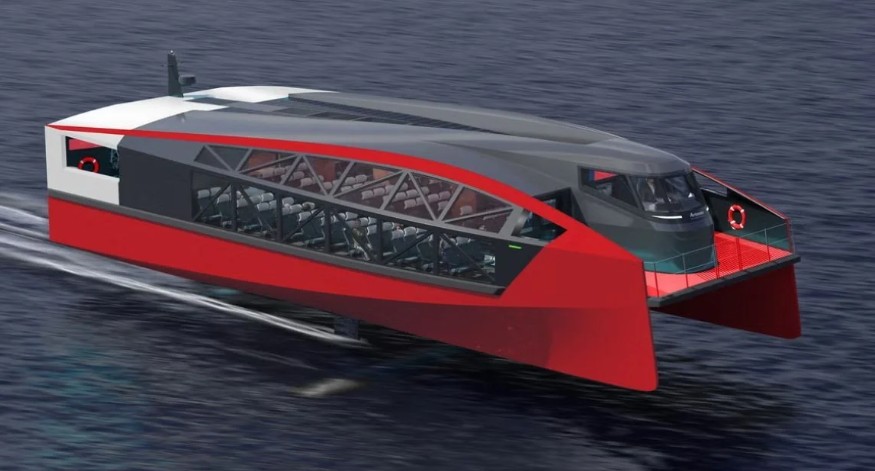
Electric ferries that glide above the water using hydrofoil technology are emerging as a potential alternative to diesel-powered vessels in the United States, offering lower fuel costs and reduced pollution.
According to a report by The Guardian, Vessev chief executive and co-founder Eric Laakmann recently travelled aboard one of the company's electric vessels in New York Harbour, passing the Statue of Liberty. The vessel also attracted the attention of passengers aboard a nearby tourist ferry.
Vessev's vessels use hydrofoil technology, in which wing-like structures beneath the hull lift the main body above the water as speed increases. This reduces drag and allows the vessel to travel more efficiently and smoothly.
Laakmann said the hull rises about 1.5 feet above the water at higher speeds, reducing the impact of waves and making the journey more comfortable.
One of the main challenges in developing electric vessels is battery weight. Heavy batteries increase a vessel's overall weight, while water resistance requires substantial energy, limiting the distance electric boats can travel and their operational efficiency.
Hydrofoil technology can help address these challenges by reducing the area of the vessel in contact with the water. Vessev claims its design can reduce drag by around 66 per cent, allowing vessels to operate with smaller batteries and lowering weight and costs.
However, replacing a diesel engine with an electric motor alone is not enough to make a ferry commercially viable. Operators must also consider travel distances, passenger capacity, charging times and the vessel's carrying capacity.
Vessev currently operates passenger transport services in New Zealand and plans to expand into Australia. The company is also planning to launch its first US service in the Lake Tahoe area.
Laakmann believes electric vessels could eventually become a regular part of public transport rather than remaining a niche attraction. He expects them to serve passengers much like buses, underground trains and taxis, while making greater use of waterways to ease pressure on congested roads.
Electric ferries could also reduce emissions from diesel-powered vessels and improve air quality around busy ports. The transport sector is a major source of greenhouse gas emissions in the United States, with ships and other watercraft contributing through their reliance on fossil fuels.
Swedish company Candela is also developing electric hydrofoil vessels. Its ferries are already carrying passengers in Stockholm, and the company says its technology can reduce energy consumption by up to 80 per cent compared with conventional vessels of a similar type. Norway has ordered 20 electric hydrofoil vessels from the company for coastal transport services.
San Francisco is also preparing to introduce battery-powered ferries as part of a wider shift towards cleaner water transport.
The city's largest ferry operator carries around 3.5 million passengers annually, according to its chief, Seamus Murphy. Many people depend on the service to travel across the Bay Area.
The operator currently runs 18 ferries, all powered by fossil fuels. It plans to add four battery-powered ferries over the next two years under an electrification project worth around $500 million. The project will also include charging infrastructure at ferry terminals.
Ensuring sufficient battery power for consecutive scheduled journeys is a major operational challenge. Ferries must be able to cover their routes reliably while recharging quickly during stops at terminals.
San Francisco's planned ferries will not initially use hydrofoil technology. However, the operator says their introduction would make it the first in the United States to operate high-speed, fully electric ferries.
The transition requires substantial upfront investment in new vessels and charging infrastructure. However, electric motors are generally more efficient than diesel engines, potentially reducing fuel and maintenance costs over time.
Murphy believes the initial investment could pay off through lower operating expenses in the long run. Rising diesel prices and improvements in battery technology are also strengthening the economic case for electric ferries.
Nevertheless, the technology is not suitable for every route. Long distances, demanding schedules, battery weight and costs, and limited charging opportunities remain significant barriers to wider adoption.
sks

Loading...
Loading...
Also read







Editor : Iqbal Sobhan Chowdhury
Published by the Editor on behalf of the Observer Ltd. from Globe Printers, 24/A, New Eskaton Road, Ramna, Dhaka.
Editorial, News and Commercial Offices : Aziz Bhaban (2nd floor), 93, Motijheel C/A, Dhaka-1000.
Phone: PABX- 41053001-06; Advertisement: 41053012; 01793317829, 01550707291, 01550707296
E-mail: [email protected], [email protected]. [email protected], [email protected], [email protected], [email protected], Online-email: [email protected]


