



| HEADLINE |

|

Diet for women living well with Thyroid disease: Hypothyroidism, Hyperthyroidism
Published : Saturday, 21 November, 2026 at 12:00 AM
Mahmuda Naznin


 Thyroid disease is a common health concern among women, particularly as they grow older. The thyroid gland, located in the neck, produces hormones that regulate metabolism, energy levels, body temperature, heart rate, and many other vital functions. When the gland produces too little hormone, the condition is called hypothyroidism. When it produces too much, it is known as hyperthyroidism. Although these conditions affect the body differently, a balanced diet, appropriate medical treatment, and a healthy lifestyle can help women manage symptoms and maintain a good quality of life.
 Diet for women with Hypothyroidism:
Women with hypothyroidism need a balanced diet that supports metabolism, digestive health, and energy production. Whole grains, vegetables, fruits, lean proteins, and healthy fats should form the foundation of daily meals.
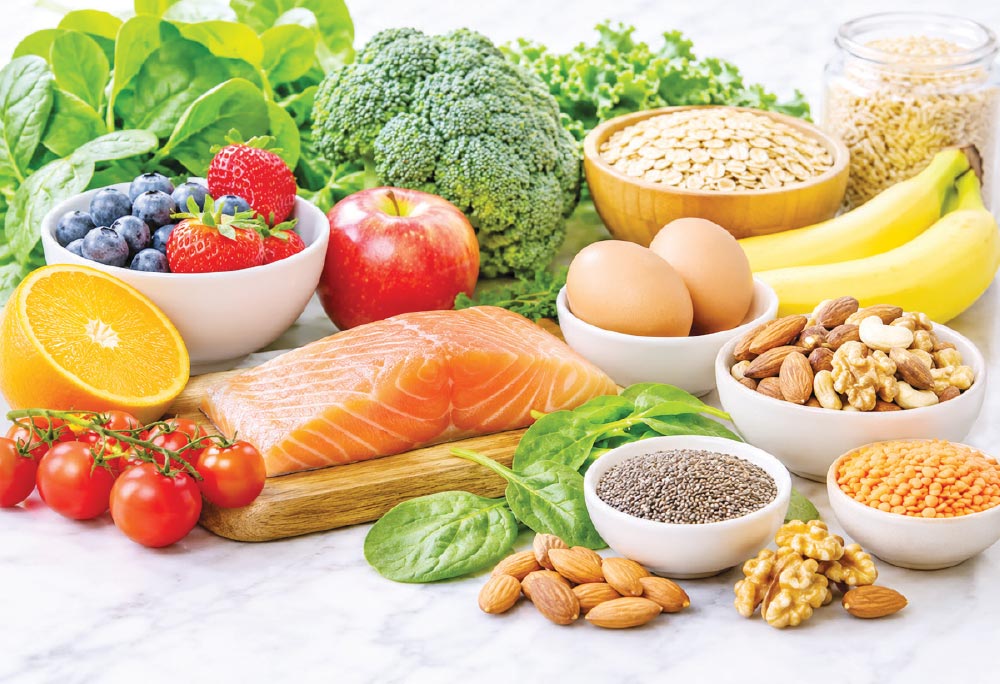
1. Include adequate protein: Eggs, fish, chicken, milk, yogurt, lentils, beans, and chickpeas provide protein to maintain muscle strength and support tissue repair. Protein is especially important for women experiencing fatigue or reduced muscle strength.
2. Choose iodine carefully: Iodine is essential for thyroid hormone production. Iodized salt, dairy products, eggs, and seafood can provide iodine. However, excessive iodine from supplements, seaweed, or certain preparations may worsen some thyroid conditions. Women should avoid high-dose iodine supplements unless prescribed by a healthcare professional.
3. Ensure sufficient selenium and zinc: Fish, eggs, nuts, seeds, meat, and legumes provide nutrients that support normal thyroid function. Brazil nuts contain concentrated selenium, so large quantities should be avoided.
4. Increase fibre and fluids: Whole grains, vegetables, fruits, and legumes can help relieve constipation. Adequate water intake also supports digestive health, although fluid needs vary for women with certain medical conditions.
5. Manage weight sensibly: Hypothyroidism may contribute to weight gain, but crash diets and extreme food restrictions are not advisable. Regular meals, portion awareness, physical activity, and adequate sleep support sustainable weight management.
 Diet for women with Hyperthyroidism:
Hyperthyroidism can increase the body’s energy expenditure and accelerate muscle and bone loss. Therefore, women may need additional calories, protein, calcium, and vitamin D, depending on symptom severity and nutritional status.
1. Eat enough calories and protein: Fish, eggs, dairy products, chicken, tofu, beans, and lentils help preserve muscle mass. Smaller, frequent meals may be useful when appetite, digestion, or weight changes become difficult to manage.
2. Protect bone health: Hyperthyroidism can weaken bones. Milk, yogurt, calcium-fortified foods, leafy greens, and appropriate sources of vitamin D can help maintain bone strength. Supplements should be considered with professional guidance.
3. Limit excessive iodine: High-iodine supplements and seaweed products may worsen certain forms of hyperthyroidism. However, women should not eliminate all iodine-containing foods without medical advice.
4. Reduce excessive caffeine: Coffee, energy drinks, and strong tea may aggravate palpitations, anxiety, or sleep disturbances. Limiting caffeine may help women who experience these symptoms.
5. Avoid unnecessary dietary restrictions: Cruciferous vegetables such as cabbage, broccoli, and cauliflower can be included in normal portions as part of a balanced diet. There is generally no need to eliminate them completely.
Important medication and lifestyle: Women taking levothyroxine for hypothyroidism are generally advised to take it with water on an empty stomach, usually 30�"60 minutes before breakfast, following their prescription instructions.
Calcium and iron supplements should generally be separated from levothyroxine by at least four hours because they can interfere with absorption.
Regular thyroid-function tests help healthcare professionals adjust treatment. Gentle exercise, strength training when appropriate, sufficient sleep, stress management, and regular medical appointments can further support well-being.
Living well with thyroid disease is possible with the right combination of medical care, balanced nutrition, and healthy daily habits. Women with hypothyroidism should focus on adequate nutrition, digestive health, and sustainable weight management, while those with hyperthyroidism should prioritize sufficient energy, protein, and bone-supporting nutrients.
Individual dietary needs vary, so consulting an endocrinologist or registered dietitian can help women develop a safe, practical eating plan. With informed choices and consistent care, women can protect their health, maintain energy, and enjoy a better quality of life at every age.

Loading...
Loading...
Also read



Editor : Iqbal Sobhan Chowdhury
Published by the Editor on behalf of the Observer Ltd. from Globe Printers, 24/A, New Eskaton Road, Ramna, Dhaka.
Editorial, News and Commercial Offices : Aziz Bhaban (2nd floor), 93, Motijheel C/A, Dhaka-1000.
Phone: PABX- 41053001-06; Advertisement: 41053012; 01793317829, 01550707291, 01550707296
E-mail: [email protected], [email protected]. [email protected], [email protected], [email protected], [email protected], Online-email: [email protected]


