



| HEADLINE |

|

Rain may ease soon, but winter chill could take weeks to settle in


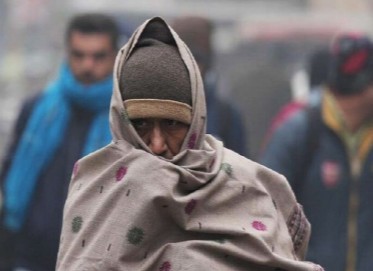
Rainfall triggered by Cyclone Akvan has affected large parts of the country, including Dhaka, Khulna, Barishal, Chattogram and Rajshahi. Although the showers may bring temporary relief from warmer conditions, a brief drop in temperature should not be mistaken for the onset of sustained winter weather.
According to the Bangladesh Meteorological Department (BMD), rain or thundershowers could continue across several divisions until November 23, with moderately heavy to very heavy rainfall possible in some areas.
The department's November 20 forecast suggested that rainfall activity could decrease towards the end of the five-day forecast period. Nighttime temperatures may also fall slightly during the following days.
Rainfall and winter conditions do not necessarily arrive together. A temporary decline in temperature following widespread rain can make the weather feel cooler, but sustained winter conditions depend on broader seasonal changes.
As the season advances, shorter days and longer nights contribute to gradual cooling. The northern and western parts of Bangladesh generally experience colder conditions before the chill becomes more widespread.
The recent rainfall is therefore better understood as a temporary weather event associated with a cyclonic system rather than a reliable indication that winter has fully arrived.
The BMD's November-to-January long-range outlook indicates that Bangladesh could experience four to six mild-to-moderate cold waves during the period. Two to three of these could intensify into severe cold waves.
The northern and western regions, including parts of Rajshahi, Rangpur and Khulna divisions, are expected to experience more pronounced cold conditions.
Meteorologists have also warned that temperatures may remain above normal overall during the season, meaning the winter could be relatively warmer despite the possibility of occasional intense cold spells.
This distinction is important: a warmer seasonal average does not rule out short periods of severe cold.
The immediate weather outlook points towards gradually declining rainfall activity, followed by a possible fall in nighttime temperatures.
December is expected to bring a more noticeable seasonal change, particularly in northern Bangladesh, while the intensity and duration of cold conditions will depend on subsequent weather patterns.
Fog may also become more frequent during late-night and early-morning hours as winter progresses, potentially affecting visibility and daily travel.
For now, the recent showers may offer a preview of changing seasonal conditions, but Bangladeshis may have to wait longer for the sustained winter chill.
Sources: Bangladesh Meteorological Department; BSS
sks










Published by the Editor on behalf of the Observer Ltd. from Globe Printers, 24/A, New Eskaton Road, Ramna, Dhaka.
Editorial, News and Commercial Offices : Aziz Bhaban (2nd floor), 93, Motijheel C/A, Dhaka-1000.
Phone: PABX- 41053001-06; Advertisement: 41053012; 01793317829, 01550707291, 01550707296
E-mail: [email protected], [email protected]. [email protected], [email protected], [email protected], [email protected], Online-email: [email protected]


