



| HEADLINE |

|

From beer to cosmetics, Asia feels full force of war-fuelled energy crisis
Published : Monday, 30 March, 2026 at 12:00 AM


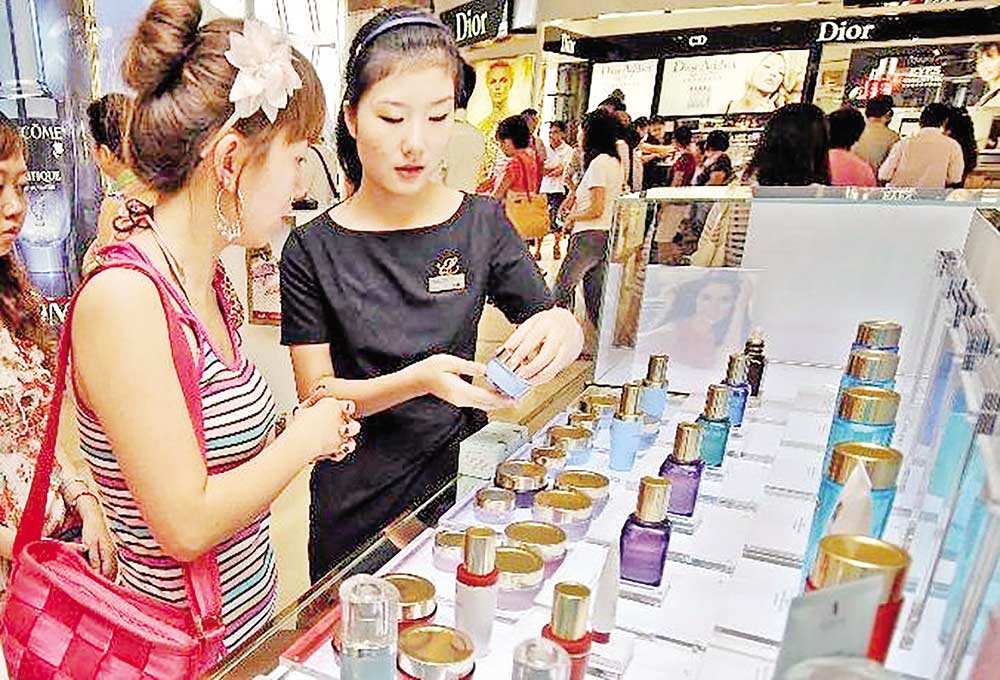 March 28: From beer and crisps to noodles, toys and cosmetics, companies - and consumers - across Asia are bracing for a crisis as the Iran war wreaks havoc on supply chains, plastics and oil supplies, upending everyday life and sending prices soaring.
For many, it is already crunch time.
Choi Gun-soo, the manager of a 57-year-old South Korean factory that makes plastic films used by farmers to cover crops as well as by television manufacturers, said his suppliers were raising prices of some raw materials as much as 50 percent, while other suppliers had simply run out of stock.
"Since we're out of raw materials for some products, we'll have to gradually shut down the machines, and the next one to two weeks is likely to be very critical," he said.
While they had weathered past oil shocks as well as the COVID-19 pandemic, the impact from the war was unprecedented, Choi said, adding that the company had cut production to only 20 percent to 30 percent of usual output.
"This is the first time we've been hit this hard. We're really shaken."
At the heart of the supply chain disruption is the Strait of Hormuz, a narrow stretch of water off Iran's southern coast through which roughly one?fifth of the world's oil and liquefied natural gas normally passes.
Asia, which relies more heavily on crude oil, gas, fuel and fertiliser from the Middle East than other parts of the world, is the most vulnerable to supply disruption.
The most acute shortages right now are in oil derivatives such as naphtha, sourced predominantly from the Gulf and used in refineries across Asia to make the plastics and other petrochemicals that go into almost every manufactured product.
Already prices for some of the fundamentals of modern life such as plastic and rubber are hitting records.
South Korea's Samyang Foods, the maker of the popular spicy Buldak instant ramen noodles, said a prolonged conflict could lead to a shortage of packaging materials and increase costs.
Ramen noodles are typically sold in packages, cups or bowls, making them heavily reliant on polyethylene terephthalate (PET), one of the world's most widely used plastics, and also key in packaging for other products from foods to personal care.
Rival South Korean ramen producer Nongshim said it had two to three months of inventory of packaging material and was preparing for the possibility that the war, which began with US-Israeli strikes on Iran on Feb 28, could continue.

Loading...
Loading...
Also read



Editor : Iqbal Sobhan Chowdhury
Published by the Editor on behalf of the Observer Ltd. from Globe Printers, 24/A, New Eskaton Road, Ramna, Dhaka.
Editorial, News and Commercial Offices : Aziz Bhaban (2nd floor), 93, Motijheel C/A, Dhaka-1000.
Phone: PABX- 41053001-06; Advertisement: 41053012; 01793317829, 01550707291, E-mail: [email protected], [email protected] Online: email: [email protected] 41053014; 01550707297 Advertisement: 01550707296
Published by the Editor on behalf of the Observer Ltd. from Globe Printers, 24/A, New Eskaton Road, Ramna, Dhaka.
Editorial, News and Commercial Offices : Aziz Bhaban (2nd floor), 93, Motijheel C/A, Dhaka-1000.
Phone: PABX- 41053001-06; Advertisement: 41053012; 01793317829, 01550707291, E-mail: [email protected], [email protected] Online: email: [email protected] 41053014; 01550707297 Advertisement: 01550707296


