



| HEADLINE |

|

Why Nostalgia Dominates Modern Hollywood
Published : Tuesday, 30 June, 2026 at 10:48 AM


Collected Photo
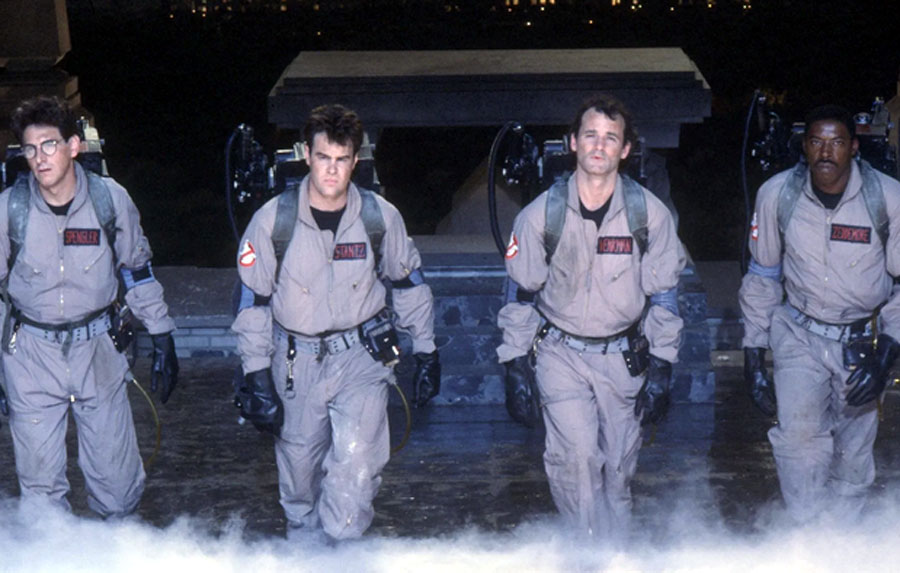
Hollywood is such a dreamworld. It hires all the most ambitious actors and directors from all over the world. It comes up with total dreamlands captures in such a vivid and captivating manner, making all our dreams come true. However, it seems as if Hollywood has hit a wall of creativity, since it keeps on regurgitating the exact same movies. You see them everywhere �"d in the cinema, in TV shows, and then the sidekicks get their own shows. One thing is for sure though: what people already know sells.
The biggest problem today is that the budget it costs to make a film is daunting. Nobody knows if a brand-new idea is going to take off or not. What the studios do know if what has been a massive success time and time again, is likely to become a big hit the next time, and the next time. You already have the whole fan base established. They’re hot and ready to consume their favorite trilogies that brings them back to their youth. They’re so much more dependable that scripts for new kinds of plots hardly ever even get a chance to see the light of day.
Sure, we all love the Marvel movies and the Harry Potters, but what’s going on here? Why is Hollywood so much living in the past? Has it lost its edge? Or is it all about the money?
What Is Nostalgia Marketing?
The same phenomenon has been noticed in video games where we still play Mario, music where The Blood Hound Gang sings the “roof is on fire”, and casino pastimes like slots and Blackjack on Odds 96 that never get old.
Bam! Imagine Marty McFly and Biff coming back. Wouldn’t it remind you of your youth? Those funny haircuts, those chill old times when the least of your worries was who was popular at school and who was just a mess? It’s exciting to go back to when times were simpler. And that’s exactly what the film studios are trying to nudge out of you to get you to buy a ticket to the next iteration. Instead of pitching something you’ve never heard of before in movie trailer, those directors would rather remind you about last time you saw Dumb and Dumber and loved it. Is there any question if you’re going to go see Dumb and Dumber Too?
What’s so magical about nostalgia is the simple fact that it creates an immediate emotional response. A completely known movie is slow to draw people in. People hear that a new movie is coming out that they saw the original version of back when they were a wee lad, and it takes them back to when they were little and a time out at the cinema that they shared with mom and dad.
The Economics Behind Nostalgia
Nowadays, what bombshell movies actually cost to make would blow your mind. We’re not talking about tens or dozens of millions. We’re talking somewhere in the vicinity of $200-300 million for production, marketing, and distribution for a blockbuster. So the risk is unfathomable, and the pressure is on thick. Meanwhile, you have that cult fandom to fall back on to bring you all kinds of sweet profits if you choose to strike that nostalgia nerve with:
-Streaming deals
-Merchandise
-Video games
-Theme parks
-Licensing agreements
-Future installments
People are even going to think twice about skipping out on paying. However, as a result, it makes original projects harder to compete with for funding, marketing, and attention.
Streaming Algorithms
These platforms have even more to work off of than movie ticket sales. Streaming sites like Netflix, Disney+, and Amazon Prime take full advantage of that treasure trove of data they collect off of all their visitors using cookies and other tools they utilize to scoop up any piece of data on visitors that they can. They then gear the website’s features to keep every one of them glued. Every click, pause, completion rate, and search provides information as to what they respond to.
All of that data has announced it loud and clear that churning out the next installment of something they’ve already seen is good business. When people see a million listings and don’t know which one to press on, some of the good old classics are going to jump of the screen. As soon one of their fans spots it.
The Rise of Franchises and Cinematic Universes
One of the biggest changes in modern Hollywood has been the shift from creating individual movies to building long-term entertainment brands. Previously, a successful film was often treated as a standalone achievement. Today, studios view movies more and more within the context of a larger ecosystem, where one story can lead to sequals, spin-offs, TV series, and more forms of media.
Some of the first major franchises to achieve success through this route have been:
-Lord of the Rings
-Marvel Cinematic Universe
-Star Wars
-Harry Potter
These properties have built massive global audiences by creating fictional worlds that continue to expand decades later. Film studios take a long view rather than focusing in on and just settling for one lone movie. Marvel created numerous superhero films, which it connected into a unified universe. Each movie can attract viewers on its own while encouraging audences to also follow the larger storyline.
Spider Man has been filmed many times for cinema with three different actors playing Peter Parker. In one film, they finally decided to have three different “Spider Men” to bring them all together in one giant Spider Man universe. Of course, we can’t forget about X-Men, which resulted in a number of films dedicated just to the most popular member �" Wolverine.
Star Wars has continued to expand beyond its original trilogy with the new films, series, and characters. Meanwhile, Harry Potter has maintained its cultural relevance through spin-offs and continued interest in its fictional world. One example is another film called Fantastic Beasts. Lord of the Rings didn’t stop with that trilogy. Instead, they came up with The Hobbit.
The Impact of Piracy
Digital distribution and streaming have made movies and television content easier to copy and share globally. The financial impact of this is pretty significant. Estimates vary widely depending on how losses are calculated, but the Motion Picture Association has estimated that piracy costs the U. S. economy tens of billions of dollars annually. A 2024 Piracy report from MUSO found that piracy websites received more than 216 billion visits globally.
This cuts into Hollywood’s revenue and further increases pressure and demotivates studios from taking new risks. A viewer who watches a pirated copy of a movie may represent a lost theater ticket, streaming subscription, rental purchase, or digital sale. This hits blockbusters the hardest �" the highest-budget films.
As far as intellectual property is concerned, people are more likely to show up and pay for a film that is nostalgic since they have an emotional attachment to it and they want to support the release. Piracy takes a hit in the streaming landscape, to. As a result, audiences face higher subscription costs and fragmented libraries.
The Downsides of Hollywood’s Nostalgia Dependence
Sure, nostalgia has become a powerful asset for nostalgia, but many viewers and industry observers argue that the well is drying up for new ideas. The constant stream of rebots has made Hollywood look stale and stuck in the past. It also means that new great ideas for movies are never coming to be because they’re never given a chance.
Franchize Fatigue
Releasing too many related projects too quickly can make them feel less special. When every successful movie becomes the beginning of a new universe or endless series, audiences may begin to feel overwelmed and lose interest.
All About Money, Not the Story
A project that relies only on references and callbacks may give viewers the impression that studios are simply using their memories to sell tickets. So it just looks like a money grab stroking people’s emotional chords.
However, even while introducing things and characters for the first time, even those films tend to pay homage to earlier films often. The right path may perhaps be a balance, but not to the point of replacing creativity altogether.
The biggest problem today is that the budget it costs to make a film is daunting. Nobody knows if a brand-new idea is going to take off or not. What the studios do know if what has been a massive success time and time again, is likely to become a big hit the next time, and the next time. You already have the whole fan base established. They’re hot and ready to consume their favorite trilogies that brings them back to their youth. They’re so much more dependable that scripts for new kinds of plots hardly ever even get a chance to see the light of day.
Sure, we all love the Marvel movies and the Harry Potters, but what’s going on here? Why is Hollywood so much living in the past? Has it lost its edge? Or is it all about the money?
What Is Nostalgia Marketing?
The same phenomenon has been noticed in video games where we still play Mario, music where The Blood Hound Gang sings the “roof is on fire”, and casino pastimes like slots and Blackjack on Odds 96 that never get old.
Bam! Imagine Marty McFly and Biff coming back. Wouldn’t it remind you of your youth? Those funny haircuts, those chill old times when the least of your worries was who was popular at school and who was just a mess? It’s exciting to go back to when times were simpler. And that’s exactly what the film studios are trying to nudge out of you to get you to buy a ticket to the next iteration. Instead of pitching something you’ve never heard of before in movie trailer, those directors would rather remind you about last time you saw Dumb and Dumber and loved it. Is there any question if you’re going to go see Dumb and Dumber Too?
What’s so magical about nostalgia is the simple fact that it creates an immediate emotional response. A completely known movie is slow to draw people in. People hear that a new movie is coming out that they saw the original version of back when they were a wee lad, and it takes them back to when they were little and a time out at the cinema that they shared with mom and dad.
The Economics Behind Nostalgia
Nowadays, what bombshell movies actually cost to make would blow your mind. We’re not talking about tens or dozens of millions. We’re talking somewhere in the vicinity of $200-300 million for production, marketing, and distribution for a blockbuster. So the risk is unfathomable, and the pressure is on thick. Meanwhile, you have that cult fandom to fall back on to bring you all kinds of sweet profits if you choose to strike that nostalgia nerve with:
-Streaming deals
-Merchandise
-Video games
-Theme parks
-Licensing agreements
-Future installments
People are even going to think twice about skipping out on paying. However, as a result, it makes original projects harder to compete with for funding, marketing, and attention.
Streaming Algorithms
These platforms have even more to work off of than movie ticket sales. Streaming sites like Netflix, Disney+, and Amazon Prime take full advantage of that treasure trove of data they collect off of all their visitors using cookies and other tools they utilize to scoop up any piece of data on visitors that they can. They then gear the website’s features to keep every one of them glued. Every click, pause, completion rate, and search provides information as to what they respond to.
All of that data has announced it loud and clear that churning out the next installment of something they’ve already seen is good business. When people see a million listings and don’t know which one to press on, some of the good old classics are going to jump of the screen. As soon one of their fans spots it.
The Rise of Franchises and Cinematic Universes
One of the biggest changes in modern Hollywood has been the shift from creating individual movies to building long-term entertainment brands. Previously, a successful film was often treated as a standalone achievement. Today, studios view movies more and more within the context of a larger ecosystem, where one story can lead to sequals, spin-offs, TV series, and more forms of media.
Some of the first major franchises to achieve success through this route have been:
-Lord of the Rings
-Marvel Cinematic Universe
-Star Wars
-Harry Potter
These properties have built massive global audiences by creating fictional worlds that continue to expand decades later. Film studios take a long view rather than focusing in on and just settling for one lone movie. Marvel created numerous superhero films, which it connected into a unified universe. Each movie can attract viewers on its own while encouraging audences to also follow the larger storyline.
Spider Man has been filmed many times for cinema with three different actors playing Peter Parker. In one film, they finally decided to have three different “Spider Men” to bring them all together in one giant Spider Man universe. Of course, we can’t forget about X-Men, which resulted in a number of films dedicated just to the most popular member �" Wolverine.
Star Wars has continued to expand beyond its original trilogy with the new films, series, and characters. Meanwhile, Harry Potter has maintained its cultural relevance through spin-offs and continued interest in its fictional world. One example is another film called Fantastic Beasts. Lord of the Rings didn’t stop with that trilogy. Instead, they came up with The Hobbit.
The Impact of Piracy
Digital distribution and streaming have made movies and television content easier to copy and share globally. The financial impact of this is pretty significant. Estimates vary widely depending on how losses are calculated, but the Motion Picture Association has estimated that piracy costs the U. S. economy tens of billions of dollars annually. A 2024 Piracy report from MUSO found that piracy websites received more than 216 billion visits globally.
This cuts into Hollywood’s revenue and further increases pressure and demotivates studios from taking new risks. A viewer who watches a pirated copy of a movie may represent a lost theater ticket, streaming subscription, rental purchase, or digital sale. This hits blockbusters the hardest �" the highest-budget films.
As far as intellectual property is concerned, people are more likely to show up and pay for a film that is nostalgic since they have an emotional attachment to it and they want to support the release. Piracy takes a hit in the streaming landscape, to. As a result, audiences face higher subscription costs and fragmented libraries.
The Downsides of Hollywood’s Nostalgia Dependence
Sure, nostalgia has become a powerful asset for nostalgia, but many viewers and industry observers argue that the well is drying up for new ideas. The constant stream of rebots has made Hollywood look stale and stuck in the past. It also means that new great ideas for movies are never coming to be because they’re never given a chance.
Franchize Fatigue
Releasing too many related projects too quickly can make them feel less special. When every successful movie becomes the beginning of a new universe or endless series, audiences may begin to feel overwelmed and lose interest.
All About Money, Not the Story
A project that relies only on references and callbacks may give viewers the impression that studios are simply using their memories to sell tickets. So it just looks like a money grab stroking people’s emotional chords.
However, even while introducing things and characters for the first time, even those films tend to pay homage to earlier films often. The right path may perhaps be a balance, but not to the point of replacing creativity altogether.

Loading...
Loading...
Also read

Editor : Iqbal Sobhan Chowdhury
Published by the Editor on behalf of the Observer Ltd. from Globe Printers, 24/A, New Eskaton Road, Ramna, Dhaka.
Editorial, News and Commercial Offices : Aziz Bhaban (2nd floor), 93, Motijheel C/A, Dhaka-1000.
Phone: PABX- 41053001-06; Advertisement: 41053012; 01793317829, 01550707291, E-mail: [email protected], [email protected] Online: email: [email protected] 41053014; 01550707297 Advertisement: 01550707296
Published by the Editor on behalf of the Observer Ltd. from Globe Printers, 24/A, New Eskaton Road, Ramna, Dhaka.
Editorial, News and Commercial Offices : Aziz Bhaban (2nd floor), 93, Motijheel C/A, Dhaka-1000.
Phone: PABX- 41053001-06; Advertisement: 41053012; 01793317829, 01550707291, E-mail: [email protected], [email protected] Online: email: [email protected] 41053014; 01550707297 Advertisement: 01550707296


