



| HEADLINE |

|

Family LPG cards from next year


The government is set to introduce “Grihini LPG Card” from next year to support lower-middle-income and middle-class households that are increasingly affected by higher energy prices and limited gas supply. This is as part of its social safety net programme to improve access to clean cooking fuel.
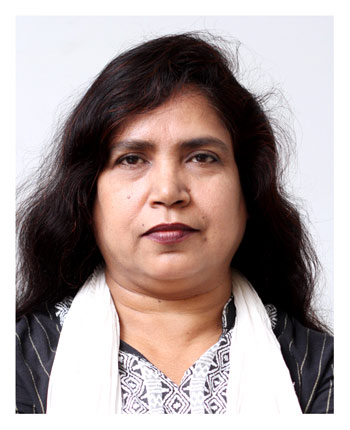
“We have a plan to intro duce a family LPG card for homemakers next year. The proposed LPG card comes as Bangladesh faces a widening gap between natural gas demand and supply" Energy and Mineral Resources Division (EMRD) Secretary Mohammad Saiful Islam said.
Initially, the government plans to provide a Tk 1,000 monthly incentive through each subsidy card, according to him.
The proposed LPG card programme is part of the government's broader strategy to strengthen energy security, expand access to cleaner cooking fuel and protect vulnerable households from the impact of tightening domestic natural gas supplies.
This card is solely designed for the lower-middle-income and middle-class households as they are the worst suffers of the volatile energy market what we have witnessed in last few years due to international cause or gas shortages from our local ends, he added.
We selected a name for it called the "Grihini LPG Card", the initiative aims to help families cope with rising energy costs and Bangladesh's growing natural gas shortage. We identified the beneficiaries and by this time government has already identified them under the social safety net programme," Saiful Islam said.
The LPG card programme is expected to build on the government's existing Family Card initiative. Authorities have so far issued 37,567 Family Cards under a pilot programme targeting around 40,000 households. In FY2026-27, the government plans to distribute 4.1 million Family Cards, with a long-term target of covering 20 million families nationwide.
According to Petrobangla, the daily gas demand is estimated at around 4,000 million cubic feet per day (MMcfd), while average supply is about 2,654 mmcfd, leaving a shortfall of roughly 1,346 mmcfd of demand.
To ease the impact of the shortage, the government plans to expand the use of liquefied petroleum gas (LPG), which is increasingly replacing piped natural gas for household cooking.
The government is also preparing to enter the LPG import market through the public sector to strengthen supply security and reduce the market dominance of private importers.
"We have a plan to import 90,000 tonnes of LPG annually from the United States starting in September, based on the requirements of private importers," the EMRD secretary said.
Bangladesh currently consumes about 1.7 million tonnes of LPG a year. Around 80 per cent is used by households for cooking, while the remainder is consumed by industries, commercial users and the autogas sector. Industry forecasts suggest annual demand could exceed 3 million tonnes by 2030.
Nearly 99 per cent of the country's LPG supply is imported and distributed by private companies, while state-owned production meets only about 1.3 per cent of national demand. Bangladesh imported about 1.45 million tonnes of LPG in 2025, slightly higher than 1.44 million tonnes in 2024.
“We have a plan to intro duce a family LPG card for homemakers next year. The proposed LPG card comes as Bangladesh faces a widening gap between natural gas demand and supply" Energy and Mineral Resources Division (EMRD) Secretary Mohammad Saiful Islam said.
Initially, the government plans to provide a Tk 1,000 monthly incentive through each subsidy card, according to him.
The proposed LPG card programme is part of the government's broader strategy to strengthen energy security, expand access to cleaner cooking fuel and protect vulnerable households from the impact of tightening domestic natural gas supplies.
This card is solely designed for the lower-middle-income and middle-class households as they are the worst suffers of the volatile energy market what we have witnessed in last few years due to international cause or gas shortages from our local ends, he added.
We selected a name for it called the "Grihini LPG Card", the initiative aims to help families cope with rising energy costs and Bangladesh's growing natural gas shortage. We identified the beneficiaries and by this time government has already identified them under the social safety net programme," Saiful Islam said.
The LPG card programme is expected to build on the government's existing Family Card initiative. Authorities have so far issued 37,567 Family Cards under a pilot programme targeting around 40,000 households. In FY2026-27, the government plans to distribute 4.1 million Family Cards, with a long-term target of covering 20 million families nationwide.
According to Petrobangla, the daily gas demand is estimated at around 4,000 million cubic feet per day (MMcfd), while average supply is about 2,654 mmcfd, leaving a shortfall of roughly 1,346 mmcfd of demand.
To ease the impact of the shortage, the government plans to expand the use of liquefied petroleum gas (LPG), which is increasingly replacing piped natural gas for household cooking.
The government is also preparing to enter the LPG import market through the public sector to strengthen supply security and reduce the market dominance of private importers.
"We have a plan to import 90,000 tonnes of LPG annually from the United States starting in September, based on the requirements of private importers," the EMRD secretary said.
Bangladesh currently consumes about 1.7 million tonnes of LPG a year. Around 80 per cent is used by households for cooking, while the remainder is consumed by industries, commercial users and the autogas sector. Industry forecasts suggest annual demand could exceed 3 million tonnes by 2030.
Nearly 99 per cent of the country's LPG supply is imported and distributed by private companies, while state-owned production meets only about 1.3 per cent of national demand. Bangladesh imported about 1.45 million tonnes of LPG in 2025, slightly higher than 1.44 million tonnes in 2024.

Loading...
Loading...
Also read



Editor : Iqbal Sobhan Chowdhury
Published by the Editor on behalf of the Observer Ltd. from Globe Printers, 24/A, New Eskaton Road, Ramna, Dhaka.
Editorial, News and Commercial Offices : Aziz Bhaban (2nd floor), 93, Motijheel C/A, Dhaka-1000.
Phone: PABX- 41053001-06; Advertisement: 41053012; 01793317829, 01550707291, E-mail: [email protected], [email protected] Online: email: [email protected] 41053014; 01550707297 Advertisement: 01550707296
Published by the Editor on behalf of the Observer Ltd. from Globe Printers, 24/A, New Eskaton Road, Ramna, Dhaka.
Editorial, News and Commercial Offices : Aziz Bhaban (2nd floor), 93, Motijheel C/A, Dhaka-1000.
Phone: PABX- 41053001-06; Advertisement: 41053012; 01793317829, 01550707291, E-mail: [email protected], [email protected] Online: email: [email protected] 41053014; 01550707297 Advertisement: 01550707296


