



| HEADLINE |

|
Now microplastics detected in Sugar
Published : Thursday, 30 July, 2026 at 12:38 PM
Observer Online Report


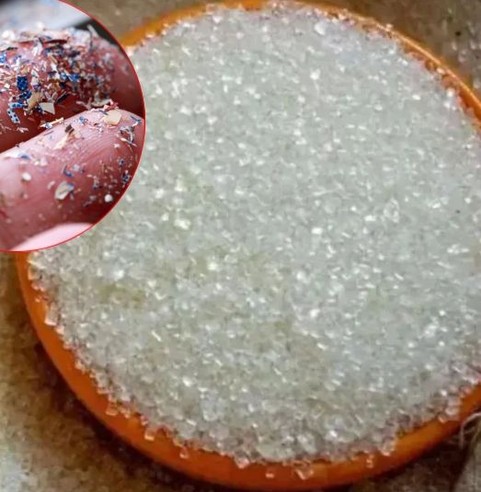
Microplastics have emerged as a new food safety concern in the country, with two separate studies detecting the tiny plastic particles in commonly consumed food products, including cooking soybean oil and sugar.
Researchers warn that people may be unknowingly ingesting thousands of plastic particles daily, posing a potential long-term threat to public health.
A study published in the Journal of Food Composition and Analysis found microplastics in 95 per cent of sugar samples collected from the domestic market. The analysis detected between 210 and 508 microplastic particles per kilogram of sugar.
Researchers warn that people may be unknowingly ingesting thousands of plastic particles daily, posing a potential long-term threat to public health.
A study published in the Journal of Food Composition and Analysis found microplastics in 95 per cent of sugar samples collected from the domestic market. The analysis detected between 210 and 508 microplastic particles per kilogram of sugar.
Branded sugar contained an average of 322 particles per kilogram, while loose sugar contained an average of 403 particles.
The research was conducted by Sadia Afrin, Nayan Hossain and Mostafizur Rahman, who tested both branded and unpackaged sugar samples collected from retail markets across Dhaka. According to the researchers, the contamination likely occurred during production, refining, storage, transportation and plastic packaging processes.
The two studies identified a range of plastic polymers, including polyethylene (PE), polypropylene (PP), polyethylene terephthalate (PET), nylon, polyvinyl chloride (PVC), polyurethane and Teflon. The most common contaminants were fibre-shaped microplastics, which researchers say may originate from synthetic textiles, plastic equipment, filters, pipelines, packaging materials or airborne particles that settle on food.
SM Nazer Hossain, Vice-President of the Central Committee of the Consumers Association of Bangladesh (CAB), said to media that the contaminated food products had already passed through the country's food quality monitoring system and were being sold in the market.
He urged the authorities to investigate whether there had been negligence by food safety regulators and called for fresh testing of products found to contain microplastics. If contamination is confirmed, the affected products should be withdrawn from the market and those responsible brought under legal action, he said.
Public health expert Dr Shamim Ahmed warned that microscopic plastic particles could trigger inflammation in blood vessels, increasing the risk of cardiovascular diseases, including heart attacks and strokes. He also said exposure to microplastics may cause intestinal inflammation, digestive disorders and disruption of beneficial gut bacteria.
According to Dr Ahmed, inhaled microplastics may also increase the risk of respiratory complications, while certain chemicals present in plastics could interfere with hormonal functions and adversely affect reproductive health.
The two studies identified a range of plastic polymers, including polyethylene (PE), polypropylene (PP), polyethylene terephthalate (PET), nylon, polyvinyl chloride (PVC), polyurethane and Teflon. The most common contaminants were fibre-shaped microplastics, which researchers say may originate from synthetic textiles, plastic equipment, filters, pipelines, packaging materials or airborne particles that settle on food.
SM Nazer Hossain, Vice-President of the Central Committee of the Consumers Association of Bangladesh (CAB), said to media that the contaminated food products had already passed through the country's food quality monitoring system and were being sold in the market.
He urged the authorities to investigate whether there had been negligence by food safety regulators and called for fresh testing of products found to contain microplastics. If contamination is confirmed, the affected products should be withdrawn from the market and those responsible brought under legal action, he said.
Public health expert Dr Shamim Ahmed warned that microscopic plastic particles could trigger inflammation in blood vessels, increasing the risk of cardiovascular diseases, including heart attacks and strokes. He also said exposure to microplastics may cause intestinal inflammation, digestive disorders and disruption of beneficial gut bacteria.
According to Dr Ahmed, inhaled microplastics may also increase the risk of respiratory complications, while certain chemicals present in plastics could interfere with hormonal functions and adversely affect reproductive health.
Loading...
Loading...
Also read









Editor : Iqbal Sobhan Chowdhury
Published by the Editor on behalf of the Observer Ltd. from Globe Printers, 24/A, New Eskaton Road, Ramna, Dhaka.
Editorial, News and Commercial Offices : Aziz Bhaban (2nd floor), 93, Motijheel C/A, Dhaka-1000.
Phone: PABX- 41053001-06; Advertisement: 41053012; 01793317829, 01550707291, E-mail: [email protected], [email protected] Online: email: [email protected] 41053014; 01550707297 Advertisement: 01550707296
Published by the Editor on behalf of the Observer Ltd. from Globe Printers, 24/A, New Eskaton Road, Ramna, Dhaka.
Editorial, News and Commercial Offices : Aziz Bhaban (2nd floor), 93, Motijheel C/A, Dhaka-1000.
Phone: PABX- 41053001-06; Advertisement: 41053012; 01793317829, 01550707291, E-mail: [email protected], [email protected] Online: email: [email protected] 41053014; 01550707297 Advertisement: 01550707296


