



| HEADLINE |

|

Fuel import costs surge 107% in one year
Published : Thursday, 20 August, 2026 at 7:10 PM
Observer Online Report


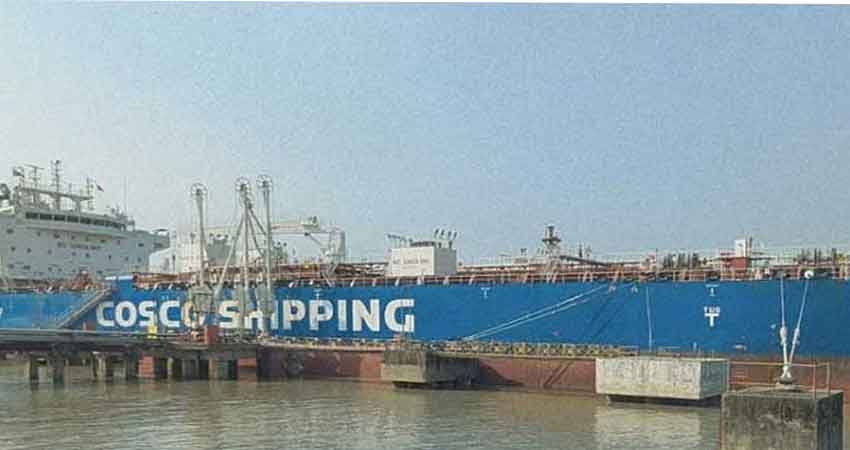
Driven by rising international fuel prices and increased demand, Bangladesh spent nearly $10.64 billion on petroleum product imports in the last fiscal year.
In the previous fiscal year, 2024-25, import expenditure in this sector was less than $5.14 billion. As a result, fuel import costs increased by nearly $5.5 billion, or 107 percent, in just one year.
According to the latest data from Bangladesh Bank, Bangladesh’s total import expenditure stood at $75.24 billion in fiscal year 2025-26, up from $68.35 billion in the previous fiscal year. This means overall import expenditure increased by $6.89 billion, or 10.7 percent, year-on-year. Petroleum product imports played the largest role in this increase.
The data show that Bangladesh spent $9.44 billion on refined fuel imports last fiscal year, compared with $4.51 billion the previous year-an increase of more than 109 percent.
Meanwhile, expenditure on crude oil imports stood at $1.20 billion, around 92 percent higher than the $620 million spent in the previous fiscal year. Overall, fuel import expenditure reached an all-time high last fiscal year.
Previously, the highest fuel import bill was recorded in fiscal year 2021-22, when Bangladesh spent $7.99 billion, amid the impact of the COVID-19 pandemic and the Russia-Ukraine war. The figure fell to $5.77 billion the following fiscal year before rising again to $6.13 billion in 2023-24.
People concerned with the sector said that growing instability in the Middle East, centered around Iran since February, has put significant pressure on international fuel prices. This has also affected Bangladesh’s import costs. In June alone, Bangladesh spent $1.6033 billion on fuel imports, whereas the average monthly expenditure throughout the fiscal year was $886.2 million.
Although fuel import costs have risen, the government is struggling to ensure adequate supplies to meet domestic demand. Rising energy costs have increased production expenses for industries, while production has been disrupted in some areas. Those involved in the sector believe this is also contributing to overall price increases.
Meanwhile, import expenditure on some consumer goods declined. Last fiscal year, Bangladesh spent $5.03 billion importing consumer goods such as edible oil, sugar, pulses, spices, and milk and cream, compared with $5.68 billion the previous year. Thus, import expenditure on these products fell by around $350 million, or 11.4 percent.
Rice import expenditure also declined. Last fiscal year, spending on rice imports fell to less than $530 million, around 22.5 percent lower than the more than $680 million spent the previous year. However, wheat import expenditure increased by 26.1 percent. Bangladesh spent $2.05 billion on wheat imports last fiscal year, compared with $1.62 billion the previous year.
A senior Bangladesh Bank official said the exchange rate of the US dollar has remained between Tk 122 and Tk 124 for a long time. At present, there is also no major difficulty in obtaining dollars. The foreign exchange market is relatively stable mainly because of increased remittance inflows. If conditions in the international market had been favorable, import expenditure would not have risen so sharply, the official said. This could have allowed foreign exchange reserves to increase further.
As of last Monday, Bangladesh’s gross foreign exchange reserves stood at $37.24 billion. Reserves calculated under the International Monetary Fund’s BPM6 methodology stood at $32.44 billion. At the time of the fall of the Awami League government, reserves had declined to $20.48 billion. Earlier, in August 2021, the country’s reserves had exceeded $48 billion.
There were mixed trends in other import categories as well. Imports of ready-made garment-related products fell by nearly 4 percent last fiscal year to $17.70 billion. However, imports of other intermediate goods increased by nearly 9 percent to $19.35 billion. During the same period, capital goods imports rose by more than 7 percent to $10.23 billion, while imports of other goods increased by more than 3 percent to $9.71 billion.
Bankers said investment in Bangladesh remains below expectations due to various factors, including gas and electricity shortages, high interest rates, and the law-and-order situation. As a result, private-sector credit growth has fallen to 4.47 percent, the lowest level on record.
According to them, the foreign exchange market is currently relatively stable because of weak investment demand and tighter measures against money laundering and capital flight.
To maintain this stability, they said Bangladesh needs to increase export earnings alongside remittance inflows. In the long term, greater emphasis should be placed on improving the investment environment to boost employment and economic growth. At the same time, strict measures to prevent money laundering and illicit capital flight should continue.
-MT
Loading...
Loading...
Also read









Editor : Iqbal Sobhan Chowdhury
Published by the Editor on behalf of the Observer Ltd. from Globe Printers, 24/A, New Eskaton Road, Ramna, Dhaka.
Editorial, News and Commercial Offices : Aziz Bhaban (2nd floor), 93, Motijheel C/A, Dhaka-1000.
Phone: PABX- 41053001-06; Advertisement: 41053012; 01793317829, 01550707291, E-mail: [email protected], [email protected] Online: email: [email protected] 41053014; 01550707297 Advertisement: 01550707296
Published by the Editor on behalf of the Observer Ltd. from Globe Printers, 24/A, New Eskaton Road, Ramna, Dhaka.
Editorial, News and Commercial Offices : Aziz Bhaban (2nd floor), 93, Motijheel C/A, Dhaka-1000.
Phone: PABX- 41053001-06; Advertisement: 41053012; 01793317829, 01550707291, E-mail: [email protected], [email protected] Online: email: [email protected] 41053014; 01550707297 Advertisement: 01550707296


