



| HEADLINE |

|
The Chokepoints That Can Squeeze the World Economy
Published : Saturday, 29 August, 2026 at 12:00 AM
F&E Report


The modern global economy may be powered by artificial intelligence, digital finance and sophisticated supply chains, but its heartbeat still depends on a handful of narrow waterways and strategic corridors. These are the world's chokepoints-geographical bottlenecks through which trillions of pounds worth of trade, energy and commodities flow every year.
For Bangladesh, these distant waterways are not remote geopolitical concerns but economic lifelines. The country's export-led economy depends on uninterrupted maritime trade.
Before the first barrel of oil reaches Chottogram refinery, before the first smartphone lands on a Dhaka shop shelf, before the first garment arrives at a European retailer, the fate of the Bangladesh economy is often decided in places so narrow that they scarcely appear on a world map. These slender ribbons of sea-mere kilometres wide in some cases-carry the weight of civilisation itself.
A missile fired across one of them, a stranded cargo vessel, a naval blockade or even an extreme weather event can unleash a chain reaction that sends oil prices soaring, stock markets tumbling, inflation accelerating and supply chains into chaos. In an age defined by artificial intelligence and digital commerce, humanity remains astonishingly dependent on a handful of ancient maritime corridors where geography can still overpower economics.
A single missile strike, naval blockade, piracy attack or political confrontation at one of these strategic passages can send oil prices soaring, disrupt food supplies, trigger inflation, unsettle stock markets and force shipping companies to take far longer and more expensive routes.
The past few years have delivered a stark warning. The disruption of shipping in the Red Sea, the Russia-Ukraine war, mounting tensions over the Taiwan Strait and repeated threats to the Strait of Hormuz have exposed a sobering reality: globalisation is not merely vulnerable to shocks-it is hostage to geography.
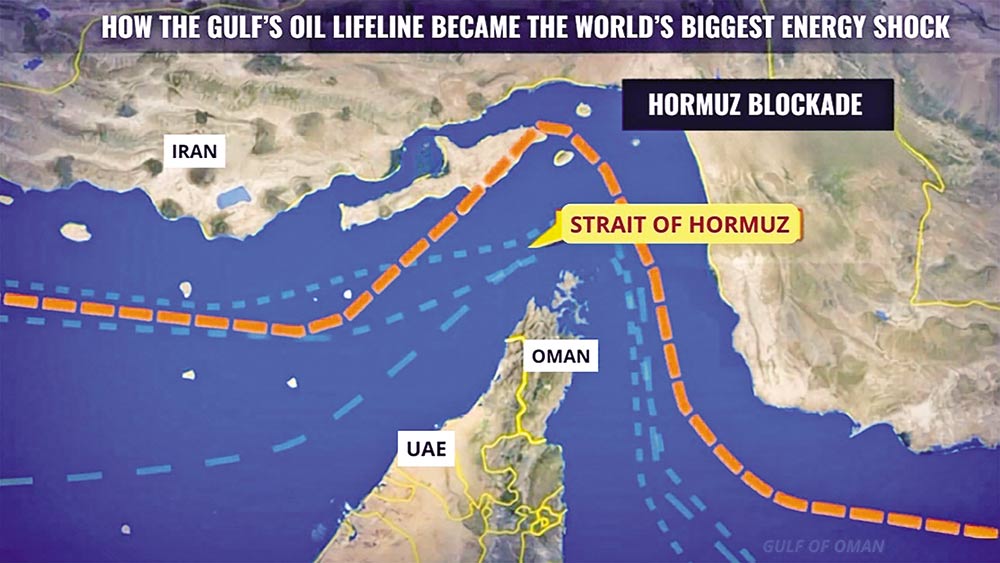 Strait of Hormuz: The World's Energy Lifeline
Perhaps no maritime passage is more strategically important than the Strait of Hormuz.
Situated between Iran and Oman, this narrow waterway connects the Persian Gulf to the Arabian Sea. Nearly one-fifth of global oil consumption and a significant share of liquefied natural gas (LNG) exports pass through this corridor every day.
Saudi Arabia, Iraq, Kuwait, the United Arab Emirates and Qatar all rely heavily on Hormuz to reach global markets.
Any prolonged disruption would immediately tighten energy supplies, sending crude oil and gas prices sharply higher while fuelling worldwide inflation. Countries dependent on imported fuel-including Bangladesh-would face mounting pressure on foreign exchange reserves, electricity generation costs and consumer prices.
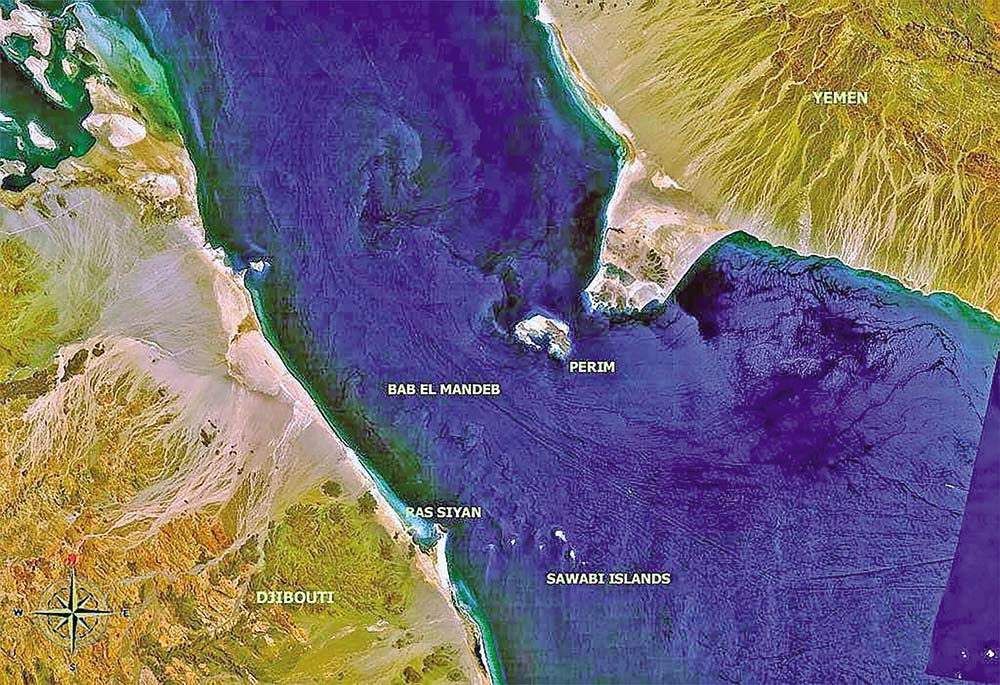 Bab el-Mandeb: Gateway to the Suez Canal
Connecting the Red Sea to the Gulf of Aden, Bab el-Mandeb has become one of the world's most volatile shipping corridors.
Container ships travelling between Europe and Asia must pass through this narrow gateway before entering the Suez Canal. Armed attacks on commercial vessels have already forced many shipping companies to reroute around the Cape of Good Hope, adding thousands of miles to each voyage.
Longer journeys mean higher fuel consumption, increased freight charges, delayed deliveries and rising insurance premiums-all of which eventually reach consumers through higher prices.
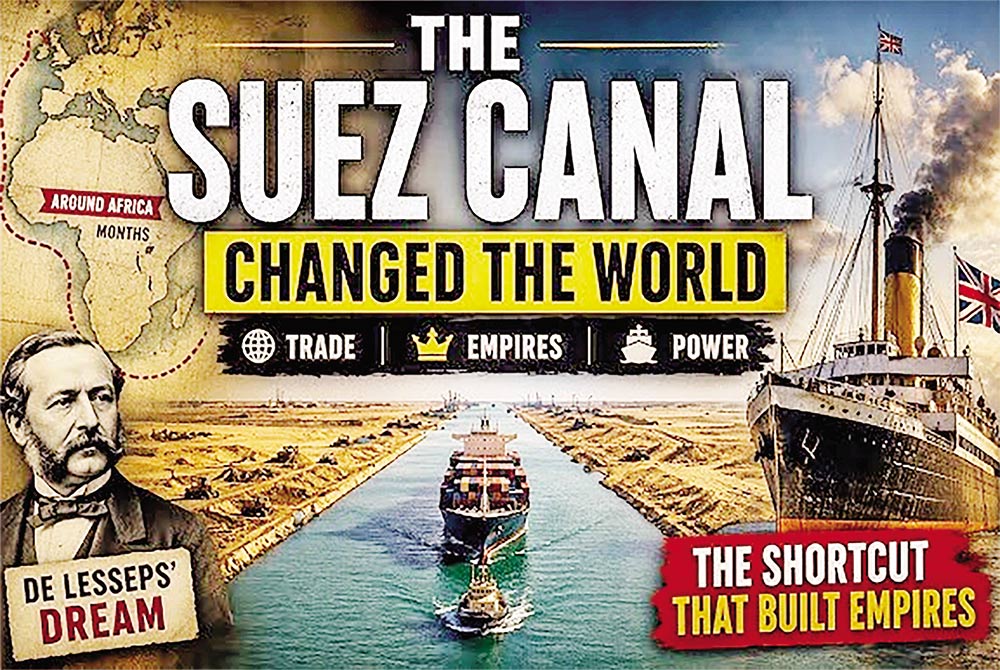 Suez Canal: The Shortcut That Moves the World
The grounding of the giant container ship Ever Given demonstrated how a single vessel could paralyse one of the world's busiest trade arteries, delaying hundreds of ships and billions of pounds worth of commerce. Today, geopolitical instability around the Red Sea has posed an even greater challenge.
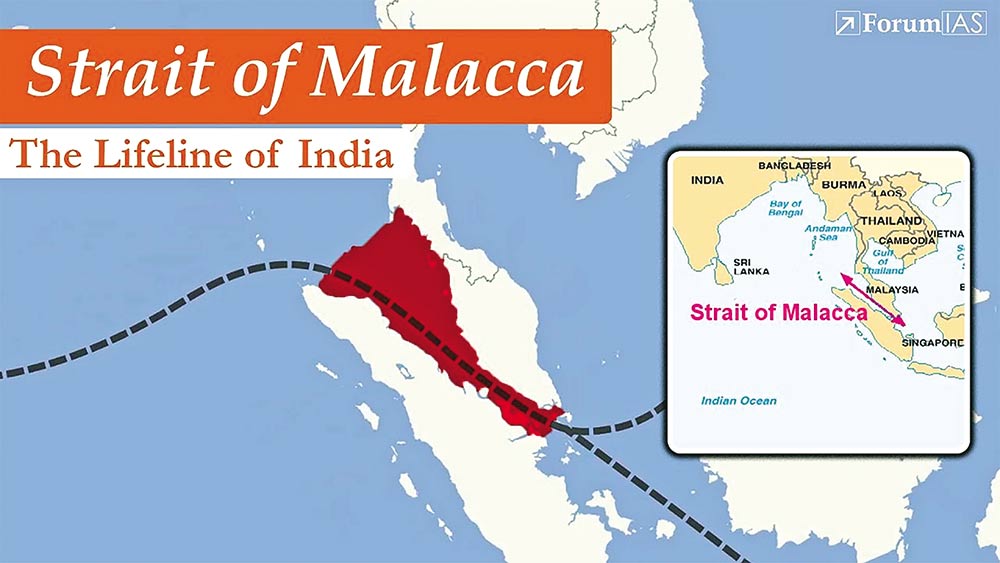 Strait of Malacca: Asia's Commercial Superhighway
Stretching between Malaysia, Indonesia and Singapore, the Strait of Malacca is among the busiest shipping lanes on Earth. It serves as the principal maritime bridge linking the Indian Ocean with the Pacific Ocean.
China, Japan, South Korea and many ASEAN economies depend heavily on this passage for importing energy and exporting manufactured goods. Any closure would compel vessels to take far longer alternative routes, dramatically increasing transportation costs and delivery times.
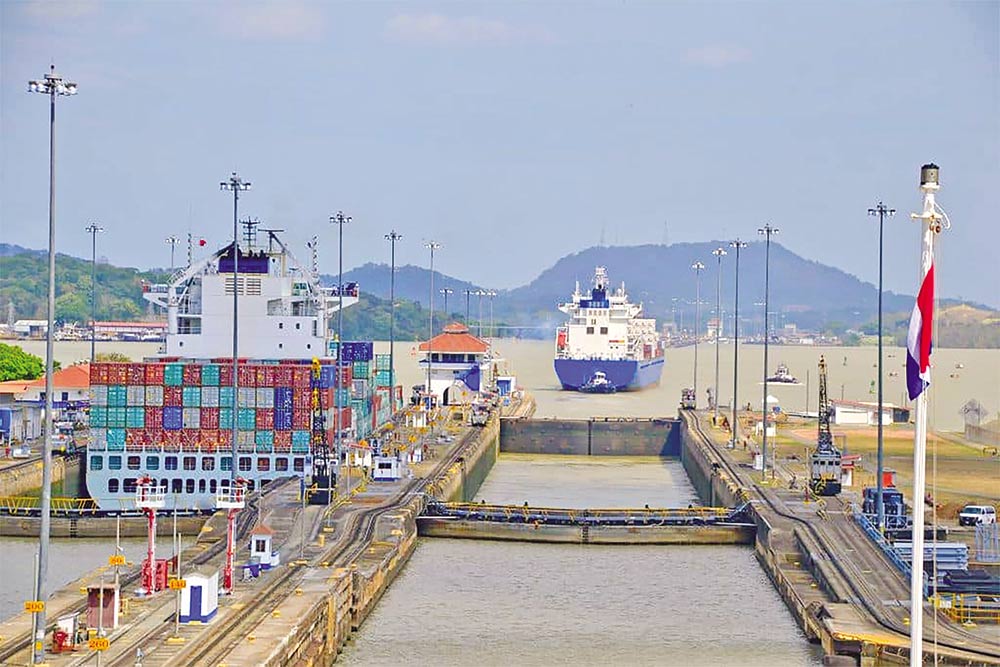 Panama Canal: Climate Change Meets Global Trade
The Panama Canal remains indispensable for trade between the Atlantic and Pacific Oceans.
Yet a new enemy has emerged-not war, but climate change. Persistent drought has reduced water levels, forcing restrictions on vessel traffic and creating costly delays. Nature has become as powerful a disruptor as geopolitics.
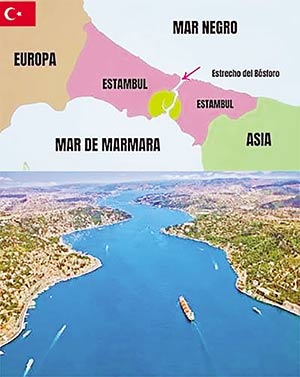 Bosporus and Dardanelles: Europe's Strategic Gateway
These Turkish straits connect the Black Sea with the Mediterranean.
They are critical for transporting grain, crude oil and fertilisers from the Black Sea region. The Russia-Ukraine conflict transformed these waterways into strategic flashpoints with profound implications for global food security.
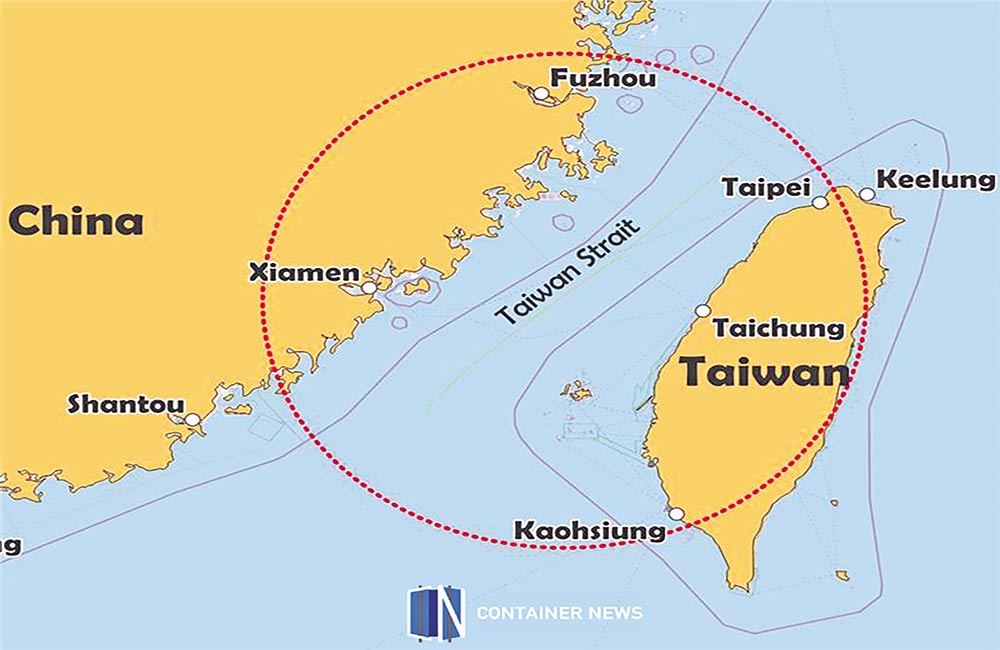 Taiwan Strait: The Silicon Chokepoint
Unlike traditional energy corridors, the Taiwan Strait is the nerve centre of the digital economy.
Taiwan produces the world's most advanced semiconductor chips, essential for artificial intelligence, smartphones, electric vehicles, medical devices and modern defence systems.
A military confrontation here would trigger economic shockwaves far beyond Asia, disrupting industries across every continent.
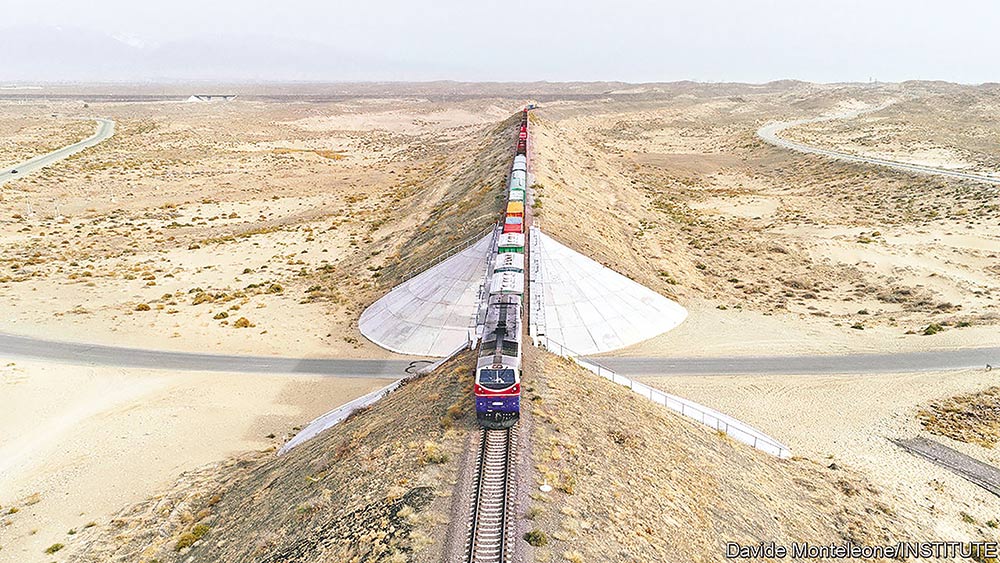 Emerging Strategic Frontiers
Climate change is gradually opening Arctic shipping routes, creating shorter passages between Europe and Asia while intensifying geopolitical competition. Meanwhile, new rail and land corridors through Central Asia are gaining prominence as governments and businesses seek alternatives to increasingly vulnerable maritime routes.
 Why Bangladesh Cannot Ignore These ChokepointsFor Bangladesh, these distant waterways are not remote geopolitical concerns but economic lifelines. The country's export-led economy depends on uninterrupted maritime trade. Garments destined for Europe, imported fuel, edible oil, fertilisers, industrial machinery and essential raw materials all pass through one or more of these strategic corridors.
Geography Is the New Geopolitics
The twenty-first century has transformed geography into one of the world's most powerful economic weapons. Control over shipping lanes, ports, energy corridors and supply chains increasingly defines geopolitical influence. That is why major powers are investing billions in naval expansion, port infrastructure and alternative transport corridors.
Economic security has become inseparable from maritime security.
The world's great chokepoints are more than narrow waterways. They are the pressure valves of the global economy, where a single spark can ignite worldwide financial turbulence. As geopolitical rivalries intensify and climate risks multiply, governments, businesses and investors must prepare for a future in which the narrowest stretches of water can unleash the broadest economic storms. In today's interconnected world, the shortest routes carry the greatest risks-and the fate of global prosperity may ultimately depend on who controls these strategic gateways.
For Bangladesh, these distant waterways are not remote geopolitical concerns but economic lifelines. The country's export-led economy depends on uninterrupted maritime trade.
Before the first barrel of oil reaches Chottogram refinery, before the first smartphone lands on a Dhaka shop shelf, before the first garment arrives at a European retailer, the fate of the Bangladesh economy is often decided in places so narrow that they scarcely appear on a world map. These slender ribbons of sea-mere kilometres wide in some cases-carry the weight of civilisation itself.
A missile fired across one of them, a stranded cargo vessel, a naval blockade or even an extreme weather event can unleash a chain reaction that sends oil prices soaring, stock markets tumbling, inflation accelerating and supply chains into chaos. In an age defined by artificial intelligence and digital commerce, humanity remains astonishingly dependent on a handful of ancient maritime corridors where geography can still overpower economics.
A single missile strike, naval blockade, piracy attack or political confrontation at one of these strategic passages can send oil prices soaring, disrupt food supplies, trigger inflation, unsettle stock markets and force shipping companies to take far longer and more expensive routes.
The past few years have delivered a stark warning. The disruption of shipping in the Red Sea, the Russia-Ukraine war, mounting tensions over the Taiwan Strait and repeated threats to the Strait of Hormuz have exposed a sobering reality: globalisation is not merely vulnerable to shocks-it is hostage to geography.
Strait of Hormuz: The World's Energy LifelinePerhaps no maritime passage is more strategically important than the Strait of Hormuz.
Situated between Iran and Oman, this narrow waterway connects the Persian Gulf to the Arabian Sea. Nearly one-fifth of global oil consumption and a significant share of liquefied natural gas (LNG) exports pass through this corridor every day.
Saudi Arabia, Iraq, Kuwait, the United Arab Emirates and Qatar all rely heavily on Hormuz to reach global markets.
Any prolonged disruption would immediately tighten energy supplies, sending crude oil and gas prices sharply higher while fuelling worldwide inflation. Countries dependent on imported fuel-including Bangladesh-would face mounting pressure on foreign exchange reserves, electricity generation costs and consumer prices.
Bab el-Mandeb: Gateway to the Suez CanalConnecting the Red Sea to the Gulf of Aden, Bab el-Mandeb has become one of the world's most volatile shipping corridors.
Container ships travelling between Europe and Asia must pass through this narrow gateway before entering the Suez Canal. Armed attacks on commercial vessels have already forced many shipping companies to reroute around the Cape of Good Hope, adding thousands of miles to each voyage.
Longer journeys mean higher fuel consumption, increased freight charges, delayed deliveries and rising insurance premiums-all of which eventually reach consumers through higher prices.
Suez Canal: The Shortcut That Moves the WorldThe Suez Canal revolutionised global trade by linking Europe directly with Asia without requiring ships to sail around Africa.
Strait of Malacca: Asia's Commercial SuperhighwayStretching between Malaysia, Indonesia and Singapore, the Strait of Malacca is among the busiest shipping lanes on Earth. It serves as the principal maritime bridge linking the Indian Ocean with the Pacific Ocean.
China, Japan, South Korea and many ASEAN economies depend heavily on this passage for importing energy and exporting manufactured goods. Any closure would compel vessels to take far longer alternative routes, dramatically increasing transportation costs and delivery times.
Panama Canal: Climate Change Meets Global TradeThe Panama Canal remains indispensable for trade between the Atlantic and Pacific Oceans.
Yet a new enemy has emerged-not war, but climate change. Persistent drought has reduced water levels, forcing restrictions on vessel traffic and creating costly delays. Nature has become as powerful a disruptor as geopolitics.
Bosporus and Dardanelles: Europe's Strategic GatewayThey are critical for transporting grain, crude oil and fertilisers from the Black Sea region. The Russia-Ukraine conflict transformed these waterways into strategic flashpoints with profound implications for global food security.
Taiwan Strait: The Silicon ChokepointUnlike traditional energy corridors, the Taiwan Strait is the nerve centre of the digital economy.
Taiwan produces the world's most advanced semiconductor chips, essential for artificial intelligence, smartphones, electric vehicles, medical devices and modern defence systems.
A military confrontation here would trigger economic shockwaves far beyond Asia, disrupting industries across every continent.
Emerging Strategic FrontiersClimate change is gradually opening Arctic shipping routes, creating shorter passages between Europe and Asia while intensifying geopolitical competition. Meanwhile, new rail and land corridors through Central Asia are gaining prominence as governments and businesses seek alternatives to increasingly vulnerable maritime routes.
Why Bangladesh Cannot Ignore These ChokepointsWhen shipping costs surge or routes are disrupted, exporters lose competitiveness, inflation accelerates, foreign exchange reserves come under pressure and ordinary consumers bear the burden through higher prices.
Geography Is the New Geopolitics
The twenty-first century has transformed geography into one of the world's most powerful economic weapons. Control over shipping lanes, ports, energy corridors and supply chains increasingly defines geopolitical influence. That is why major powers are investing billions in naval expansion, port infrastructure and alternative transport corridors.
Economic security has become inseparable from maritime security.
The world's great chokepoints are more than narrow waterways. They are the pressure valves of the global economy, where a single spark can ignite worldwide financial turbulence. As geopolitical rivalries intensify and climate risks multiply, governments, businesses and investors must prepare for a future in which the narrowest stretches of water can unleash the broadest economic storms. In today's interconnected world, the shortest routes carry the greatest risks-and the fate of global prosperity may ultimately depend on who controls these strategic gateways.
Loading...
Loading...
Also read



Editor : Iqbal Sobhan Chowdhury
Published by the Editor on behalf of the Observer Ltd. from Globe Printers, 24/A, New Eskaton Road, Ramna, Dhaka.
Editorial, News and Commercial Offices : Aziz Bhaban (2nd floor), 93, Motijheel C/A, Dhaka-1000.
Phone: PABX- 41053001-06; Advertisement: 41053012; 01793317829, 01550707291, E-mail: [email protected], [email protected] Online: email: [email protected] 41053014; 01550707297 Advertisement: 01550707296
Published by the Editor on behalf of the Observer Ltd. from Globe Printers, 24/A, New Eskaton Road, Ramna, Dhaka.
Editorial, News and Commercial Offices : Aziz Bhaban (2nd floor), 93, Motijheel C/A, Dhaka-1000.
Phone: PABX- 41053001-06; Advertisement: 41053012; 01793317829, 01550707291, E-mail: [email protected], [email protected] Online: email: [email protected] 41053014; 01550707297 Advertisement: 01550707296


