



| HEADLINE |

|

From Footprints to Algorithms: Tourism's Next Chapter
We need to build a tourism ecosystem that blends rich human experience with artificial intelligence, one that does not merely draw in visitors, but also delivers a better tourism experience, greater tourism revenue, deeper participation from local communities and lasting environmental sustainability.
Published : Tuesday, 22 September, 2026 at 12:00 AM
Jabed Ahmed


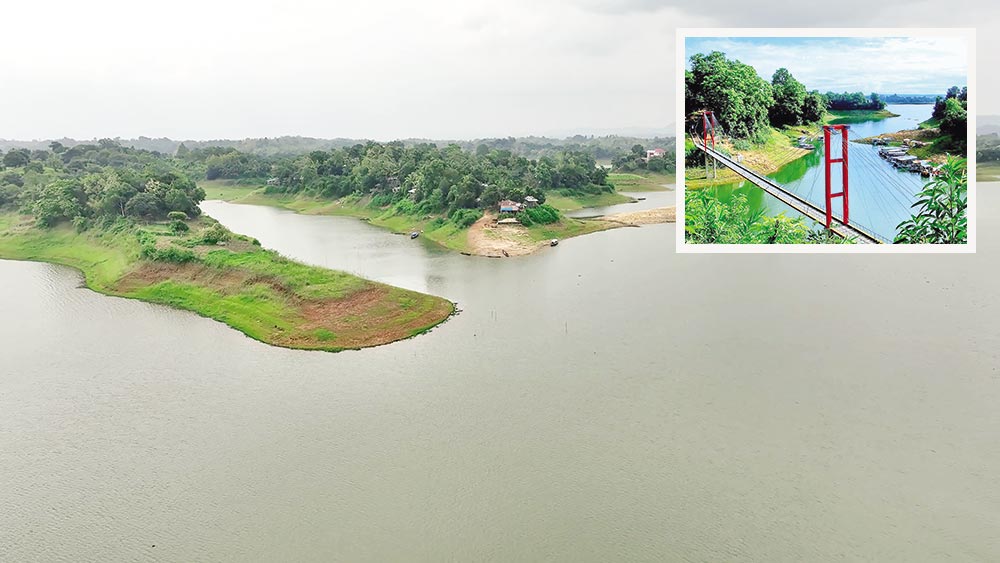 September 27 marks World Tourism Day. UN Tourism has been observing this day with due ceremony every year since 1980 and this year is no exception, with all 160 member states of the United Nations giving the occasion equal weight.
 Here at home, Bangladesh Tourism Board, the country's national tourism organisation under the Ministry of Civil Aviation and Tourism, is marking the day with a colourful programme of its own. Every year, UN Tourism releases a timely and fitting theme for World Tourism Day and it is around this theme that conferences and seminars are convened worldwide and thousands of essays and articles are written in dozens of languages. The hope is that these efforts will chart a new direction for the tourism industry and add a fresh dimension to what is, after all, the largest service sector in the world, one whose ripple effects touch the entire tourism value chain and push the industry a step further forward.
This year's theme, “Digital Agenda and Artificial Intelligence to Redesign Tourism” carries a promise: that the appropriate use of technology can modernise tourism management and make every service in this industry more accessible, putting it within easy reach of travel enthusiasts everywhere.

This year's central celebration will take place in Surf City, in the small Pacific-coast Central American nation of El Salvador. A message from the country's tourism minister, published on the UN Tourism website, invites tourism lovers to visit while pledging to build an inclusive, modern tourism industry through technological innovation and the thoughtful application of artificial intelligence.
We have watched technology take hold of the ever-changing tourism industry over the past several years. Riding on wave after wave of remarkable innovation, our own tourism sector, like those elsewhere, has seen visible and positive change. Digital management is, at its core, not a domestic matter at all. It is a universal, worldwide system that can connect a traveller in an instant to a tourism destination on the opposite side of the globe, introducing them, from the comfort of home, to local cultures and communities. Tourism entrepreneurs, managers and governments alike now find themselves woven into one larger digital fabric, able to build a remarkable unity among themselves.
New technological innovation is, of course, an ongoing process, but the emergence of artificial intelligence has outpaced everything that came before it in terms of application and adoption. It has become part of the fabric of our society with startling speed and within a remarkably short span of time it has already won enormous popularity among people of every age.
Where artificial intelligence will ultimately take the world's socio-economic reality, no one can say with certainty just yet. Many believe this technology will stand the test of time and establish itself as an unprecedented, era-defining force, one capable of playing an extraordinary role in the positive transformation of the world's existing socio-economic order. And yet, we must always bear in mind: “AI shouldn't replace human hospitality; it should enhance human hospitality.”
In Destination Management, the use of artificial intelligence has made it far easier to analyse traveller demand, to take advance measures against overtourism and above all, to apply modern thinking to destination management so as to make a destination more attractive and more visitor-friendly.

The use of artificial intelligence is visible in personalised tourism as well, with remarkable travel plans now being crafted around an individual traveller's interests, budget constraints, time and travel behaviour. What is even more interesting is that Generative AI has added an entirely new dimension to the tourism industry, effortlessly producing any kind of writing, imagery, itinerary, promotional content or even traveller feedback.
One thing we must keep in mind, however, is that artificial intelligence does not gather information of its own accord. Rather, it draws on books, newspapers, research papers, websites, images, videos, audio and government reports, all created by human beings and simply passes that information on to its clients. To draw the greatest benefit from artificial intelligence, then, we must first enrich our own store of information. Some describe tourism as a data-driven industry and rightly so: the richer a country's tourism data, the richer its tourism industry.
In conclusion, the time has come to establish a national data hub, one that will allow us to shape tourism policy and planning grounded firmly in information, in service of positive change across the industry. Digital technology and artificial intelligence have opened up an opportunity to reorganise the entire tourism value chain afresh. With sustainability and inclusiveness firmly in mind, we need to build a tourism ecosystem that blends rich human experience with artificial intelligence, one that does not merely draw in visitors, but also delivers a better tourism experience, greater tourism revenue, deeper participation from local communities and lasting environmental sustainability.
Let this be our pledge on this year's Tourism Day.
The writer is former Chief Executive Officer, Bangladesh Tourism Board

Loading...
Loading...
Also read



Editor : Iqbal Sobhan Chowdhury
Published by the Editor on behalf of the Observer Ltd. from Globe Printers, 24/A, New Eskaton Road, Ramna, Dhaka.
Editorial, News and Commercial Offices : Aziz Bhaban (2nd floor), 93, Motijheel C/A, Dhaka-1000.
Phone: PABX- 41053001-06; Advertisement: 41053012; 01793317829, 01550707291, E-mail: [email protected], [email protected] Online: email: [email protected] 41053014; 01550707297 Advertisement: 01550707296
Published by the Editor on behalf of the Observer Ltd. from Globe Printers, 24/A, New Eskaton Road, Ramna, Dhaka.
Editorial, News and Commercial Offices : Aziz Bhaban (2nd floor), 93, Motijheel C/A, Dhaka-1000.
Phone: PABX- 41053001-06; Advertisement: 41053012; 01793317829, 01550707291, E-mail: [email protected], [email protected] Online: email: [email protected] 41053014; 01550707297 Advertisement: 01550707296


