



| HEADLINE |

|

Every solar panel makes a difference


Australian trade delegation, comprising small and medium-sized enterprises and mid-market companies, visited Bangladesh last week to explore and develop opportunities that could benefit the wider clean energy industry in Bangladesh.
John Grimes, Chief Executive of the Renewable Energy Council Asia Pacific (RECAP) led the team under the umbrella of Australia-Bangladesh Chamber of Commerce and Industry in collaboration with the Australian Trade and Investment Commission. Bangladesh urged Australian companies to adopt a collaborative approach to the Bangladesh market as Australia looks to apply its technological expertise and energy transition experience to Bangladesh’s growing energy needs.
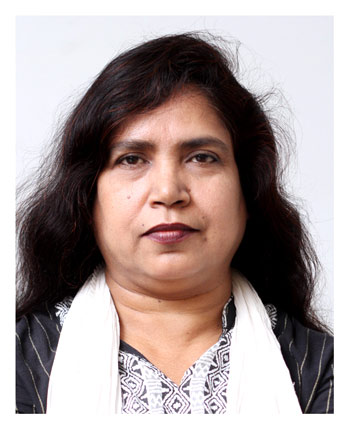
In-charge of the Power and Energy page, Shahnaj Begum of The Daily Observer has taken up the opportunity to talk with John Grimes. Discussions focused on investment opportunities, financing mechanisms, regulatory frameworks and ways to accelerate clean energy projects in Bangladesh. John exchanged views on market-entry opportunities, technology suitability, local partnership models, project-financing challenges and regulatory requirements. We shared the talks with our readers below.
Q1. How do you see the energy sector, especially the renewable energy business, in Bangladesh-given the April energy crisis?
A1. At that time Bangladesh was in the middle of the worst energy crisis. Cars were lined up sometimes for 19 hours to get petrol, and it was clear Bangladesh would suffer a genuine financial and social crisis. We recommended four things to the Bangladesh government:
Reduce import tariffs for solar panels, batteries, and inverters.
Create an incentive program or low-interest loan program so people can afford the technology.
Put solar on every common building in the country.
Run a national campaign saying “every solar panel makes a difference.”
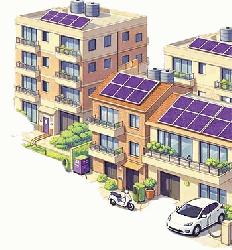
Installing solar is patriotic because you are not sending scarce foreign reserves to another country; the benefit stays in Bangladesh. The government did all four things, which is very significant. The Prime Minister and cabinet are focused on getting energy into the system as quickly as possible. Solar is the quickest way to deploy power-gas terminals, coal plants, or nuclear plants will not be ready for next summer; they take much longer. That is why this drive is important. We brought 21 representatives from seven companies to share Australia’s experience. Australia has deployed more than 5 million solar rooftops-almost one in two houses-and some states are now near 100% renewable energy. Australia has a lot of experience in low-cost but good-quality solar installation.
Q2. Cost is a major barrier in Bangladesh compared with Australia and other developed countries as income is not sufficient. How can the government minimise the cost and provide it to the people?
A2. Solar is already the cheapest form of electricity. The problem is that when you buy solar, you effectively buy 20 years’ worth of electricity upfront, so access to capital is the most important thing. We can bring foreign capital, but we need payment guarantees so investors are certain the customer will repay the loan. For a big textile factory or a government institution, that guarantee is easier. Unlocking finance is the route to rapid deployment.
Q3. How will you provide loans or finance? What design scheme will give investors’ confidence?
A3. If we give investors’ confidence, there is plenty of money in the world-probably around $1 trillion to invest in this industry. If we get the policy settings right, the money will flow. Second, the government has a feed-in tariff: it pays 10.5 taka for every unit of electricity. We think that needs to be extended and, if possible, increased. If they do that, the economics of solar become very simple and we can accelerate deployment.
Q4. China is providing low-cost solar and batteries. How can your product compete?
A4. China is the global leader. If solar and batteries were a marathon, China started about one and a half hours ago and is far ahead; Australia is just putting on its boots. For me, it is about partnering with the right parts of China-good-quality products combined with Australian expertise-to deliver the right good-quality outcome for Bangladesh. I think it is possible, but we must work together.
A5. What impressed me is how focused they are on action. They are reporting every fortnight how many more solar systems have been deployed under their control-that is fantastic. For example, we spoke to the Ministry of Health. They need power because it is a big cost for the health system, but it is also about power security. While we were doing this interview, load shedding was happening-but the sun did not stop shining. Solar can provide power for critical life-saving operations and keep medicines at cool temperatures, which is essential for people’s health and well-being. Because of those reasons, we are seeing real action.
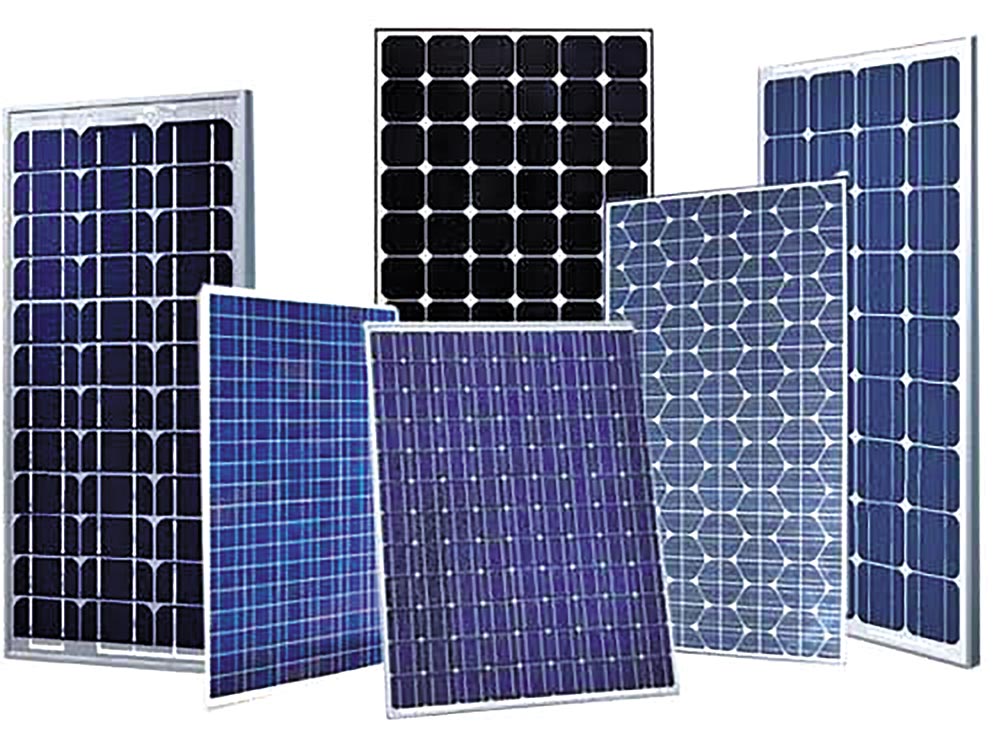 Q6. Sometimes there is no sunshine in Bangladesh, especially in winter-there can be one or two weeks of fog, no sun, and rain. What do people do then?
A6. Energy storage is the missing piece of the puzzle. We now have low-cost, good-quality solar, and the world is quickly finding low-cost, good-quality energy storage-especially lithium iron phosphate batteries, because they do not have the health and environmental problems of lead-acid batteries and they last 20 years or more. Battery prices are coming down a lot. In Australia, the government had an incentive program providing 30 per cent of the capital cost of batteries, and more than 530,000 solar batteries were installed in one year-14 GWh of massive capacity. It makes economic sense because it is cheaper than buying electricity from the grid. Those batteries also act as an energy sink/storage. In the past, nighttime wholesale electricity prices would go from $60-$500; now they go from $60-$100, and wholesale electricity costs in Australia have fallen by 47 per cent because of those batteries. In Bangladesh, the biggest thing to accelerate the renewable energy program is the 1 per cent import tariff duty. About 200 MW every month is now flowing into the country, and that accumulates over time-the more months, the more installation, the bigger the impact on the economy.
Q7. People say Bangladesh’s policy stability is not good, so investment packages sometimes fail. What is your observation?
A7. I think we need to put this above politics. We need all sides of politics to agree that we want to empower the people, save money for them, and make Bangladesh more competitive. When everybody commits to the energy transition, the transition is secure. For stability, this is now urgent: if you do not have electricity, you cannot run industry-it is not possible. You need stability, and more capacity means greater grid stability. In the renewable energy sector, I actually think the government can save money in the transition if we get the policy settings right. It is not something where the government needs to spend a lot of money, but the policy settings must be right to attract the capital to fund the transition.
Q8. Is there anything you want to add?
A8. We have many Australian companies, and our superpower is our people. Australia is the most successful multicultural country in the world. Who better to lead Australian business back to Bangladesh than Bangladeshi-Australians. They have made their lives in Australia but they know and come from Bangladesh and understand the system so well. That is why I am so excited to be with these Australian companies and form partnerships across the ecosystem. That is how we add value and change.

Loading...
Loading...
Also read




Editor : Iqbal Sobhan Chowdhury
Published by the Editor on behalf of the Observer Ltd. from Globe Printers, 24/A, New Eskaton Road, Ramna, Dhaka.
Editorial, News and Commercial Offices : Aziz Bhaban (2nd floor), 93, Motijheel C/A, Dhaka-1000.
Phone: PABX- 41053001-06; Advertisement: 41053012; 01793317829, 01550707291, 01550707296
E-mail: [email protected], [email protected]. [email protected], [email protected], [email protected], [email protected], Online-email: [email protected]


