



| HEADLINE |

|

Govt plans to generate solar power on rooftops of 31 public varsities
Published : Wednesday, 4 November, 2026 at 12:00 AM
Tanvir Raihan


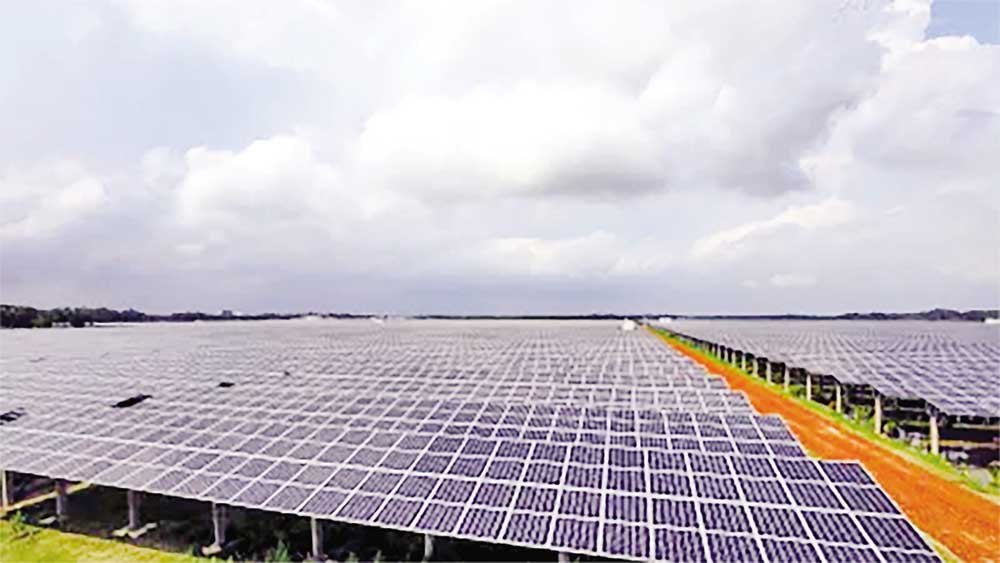 The proposed installation of solar systems at universities is not merely an effort to increase electricity production. It also offers opportunities to reduce institutional operating costs, lower carbon emissions and potentially earn carbon credits.
Every summer, Bangladesh's power system comes under increasing pressure. Rising temperatures drive up the use of fans, air conditioners and other electrical appliances in households. At the same time, demand for electricity increases to keep industries operational and meet irrigation requirements in agriculture. Even a slight gap between demand and supply can cause widespread public suffering and disrupt industrial and commercial activities.
Against this backdrop, the government is looking to solar power as a major potential solution to the country's electricity challenges next summer. In particular, it plans to utilise the extensive rooftops of university buildings to generate renewable energy. The government has set a target of generating 3,000 to 4,000 megawatts of electricity from solar power next summer, with rooftop solar systems being considered an effective way to expand generation.
The proposed installation of solar systems at universities is not merely an effort to increase electricity production. It also offers opportunities to reduce institutional operating costs, lower carbon emissions and potentially earn carbon credits. If successfully implemented, the initiative could place the country's higher education institutions at the forefront of renewable energy expansion.
State Minister for Power, Energy and Mineral Resources Anindya Islam Amit outlined the government's plan at a consultation meeting on installing solar power systems at 31 public universities, organised by the University Grants Commission (UGC) at its Agargaon office in Dhaka on Monday (November 2).
He said the government was working to prevent a recurrence of the electricity-related difficulties people experienced during the last summer.
Amit said a policy framework to expand solar power use had been formulated within just two months through consultations with relevant stakeholders. The policy could be revised when necessary to address practical requirements and emerging challenges.
However, the state minister made it clear that universities would not be forced to install solar systems. Each institution would have to make its own decision based on its requirements, financial capacity and practical circumstances. The government and the UGC would provide the necessary assistance to facilitate implementation.
Rooftops could become new sources of electricity: Many buildings at public universities across the country have rooftops that receive sunlight for most of the day. Installing solar panels on these rooftops could help reduce dependence on the national grid while meeting part of the institutions' own electricity requirements.
Universities consume substantial amounts of electricity every day to operate classrooms, laboratories, administrative buildings, residential halls, libraries and other facilities. Reliable electricity is particularly important for research laboratories and student accommodation. Generating power from their own rooftops could therefore offer significant economic benefits to these institutions.
UGC Chairman Professor Dr Mamun Ahmed said a substantial portion of university operating expenditure went towards paying electricity and gas bills. Expanding solar power use could significantly reduce these recurring costs.
He said the consultation meeting was organised to address existing confusion surrounding solar installations at universities and gather opinions from relevant stakeholders. The UGC has already conducted a survey on the issue and formed a team to assess the feasibility of installing solar systems at its own buildings and those of different universities.
Solar installations without major upfront investment: One of the major challenges in adopting solar power is the initial investment required. Installing panels, inverters, electrical connections and other equipment involves considerable expenditure. Many universities have limited capacity to make such large investments from their existing budgets.
To address this challenge, the UGC is emphasising the operating expenditure (OPEX) model for installing solar power systems.

Loading...
Loading...
Also read



Editor : Iqbal Sobhan Chowdhury
Published by the Editor on behalf of the Observer Ltd. from Globe Printers, 24/A, New Eskaton Road, Ramna, Dhaka.
Editorial, News and Commercial Offices : Aziz Bhaban (2nd floor), 93, Motijheel C/A, Dhaka-1000.
Phone: PABX- 41053001-06; Advertisement: 41053012; 01793317829, 01550707291, 01550707296
E-mail: [email protected], [email protected]. [email protected], [email protected], [email protected], [email protected], Online-email: [email protected]


