
In the serene landscapes of the Bandarban Hill Districts, beauty often masks a harsh biological and social reality. While Bangladesh celebrates national milestones in healthcare, two recent studies on the indigenous communities of the Hill Tracts remind us that geography remains a cruel determinant of survival.
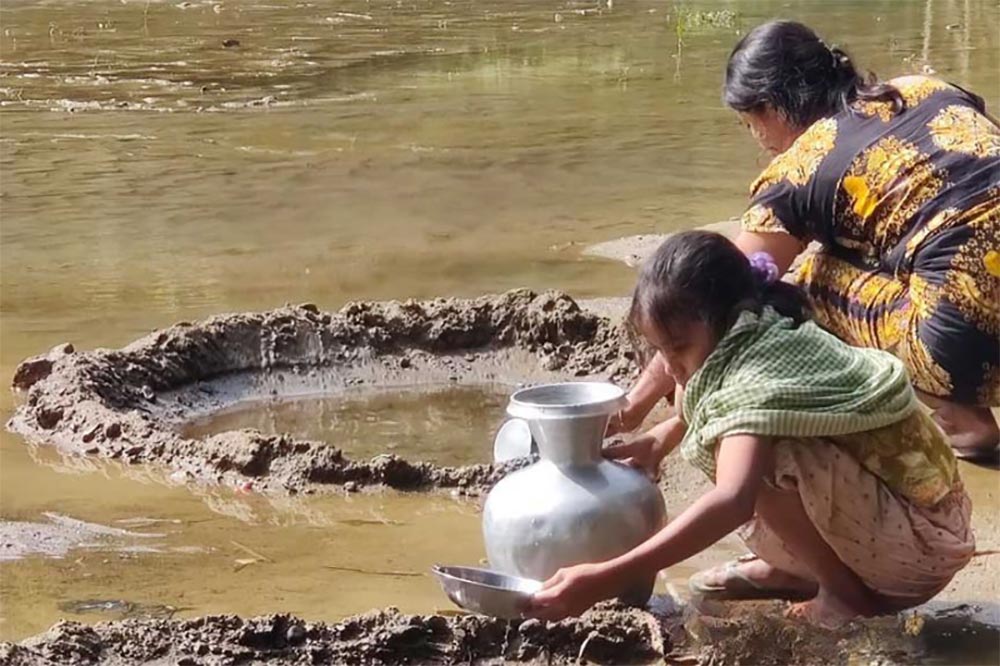
For an adolescent girl in a remote para (village), the arrival of the dry season is a direct threat to her dignity and health. Our research into seasonal water scarcity and reproductive health reveals that when springs vanish, girls are forced into desperate "coping" measures. To save what little water remains for drinking, many girls drastically reduce their water intake and go days-sometimes even a week-without bathing.
This lack of water makes safe menstrual hygiene impossible. Deprived of hygienic kits or the water needed to wash reusable cloths, many resort to makeshift, unhygienic methods. The biological cost of this "water poverty" is staggering: during the dry season, the prevalence of Bacterial Vaginosis (BV) among these young women reaches 20 per cent, while nearly 12 per cent suffer from Urinary Tract Infections (UTIs).
However, the crisis is not just biological-it is existential. In our study, we observed a heartbreaking trend of seasonal displacement. When the water disappears, so do the people. In many hard-to-reach clusters, the water crisis becomes so severe that it forces families to abandon their ancestral homes in search of habitable land. Our data indicates that in certain clusters, up to 50 per cent of dwellers face such severe water stress that migration becomes their only path to survival.
When these families are displaced, their already fragile access to healthcare is severed entirely. Our second study on barriers to healthcare access reveals that for those who remain, the "tyranny of distance" is overwhelming. In a region where a hospital 20 kilometres away can require a four-hour journey across vertical terrain, the odds of accessing professional care are drastically reduced. For ethnic minority women, the cost of hiring a boat or a jeep often exceeds a family's entire monthly savings, making home births the only pragmatic-yet dangerous-choice.
We cannot fix the health of the hills with a "plains-only" mindset. The success of Bangladesh's health sector should not stop where the hills begin. To move forward, we must:
Prioritise Menstrual Equity: Providing water-less hygiene solutions or distributing kits specifically designed for water-scarce environments.
Invest in Water Infrastructure: Developing sustainable water-harvesting systems to prevent the seasonal displacement that uproots communities.
Decentralise Care: Deploying mobile clinics and healthcare workers who speak local dialects and understand the unique cultural fabric of the hills.
It is time we ensure that for the women of Bandarban, a safe delivery or a healthy childhood is no longer determined by the altitude of their home or the season of the year.
Dr Imdadul Haque Talukdar is a public mental health specialist and adjunct assistant professor of psychology in the Department of History and Philosophy at North South University. He can be reached at haque.talukdar@gmail.com





