



| HEADLINE |

|

PCOS renamed PMOS to better reflect women's whole-body health condition
Published : Saturday, 6 June, 2026 at 12:00 AM
Women's Own Desk


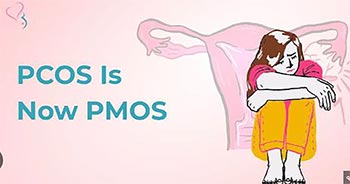 The medical condition long known as Polycystic Ovary Syndrome (PCOS) has officially been renamed Polyendocrine Metabolic Ovarian Syndrome (PMOS) following an international medical consensus aimed at improving diagnosis and treatment for millions of women worldwide.
 Health experts said the previous term "PCOS" was often misleading because many patients do not actually have ovarian cysts, and the disorder affects far more than reproductive health. The new name highlights the condition's complex hormonal, metabolic and systemic nature.
PMOS affects around one in eight women globally and is linked to symptoms including irregular menstrual cycles, acne, excess facial hair, infertility, weight gain and insulin resistance. It is also associated with longer-term risks such as diabetes, heart disease and mental health challenges.
Treatment for PMOS depends on a patient's symptoms and overall health condition. Doctors say treatment plans often include nutritional guidance and maintaining a balanced diet, along with regular exercise and lifestyle modifications to help manage symptoms. Improving sleep quality and managing stress are also considered important parts of treatment. Depending on individual needs, hormonal medications may be prescribed, while insulin-sensitizing medicines such as metformin can be used to address insulin resistance. For women facing difficulties with conception, fertility support and reproductive treatment may also be included as part of comprehensive care.
The renaming follows a 14-year global effort involving medical experts, researchers and patient groups, with findings published in The Lancet. Supporters say the updated terminology will reduce stigma, improve awareness and encourage more holistic care rather than treating the condition as solely an ovarian problem.
Medical organizations say the transition to PMOS will take place gradually through updated clinical guidelines, education and healthcare systems worldwide.
Loading...
Loading...
Also read



Editor : Iqbal Sobhan Chowdhury
Published by the Editor on behalf of the Observer Ltd. from Globe Printers, 24/A, New Eskaton Road, Ramna, Dhaka.
Editorial, News and Commercial Offices : Aziz Bhaban (2nd floor), 93, Motijheel C/A, Dhaka-1000.
Phone: PABX- 41053001-06; Advertisement: 41053012; 01793317829, 01550707291, E-mail: [email protected], [email protected] Online: email: [email protected] 41053014; 01550707297 Advertisement: 01550707296
Published by the Editor on behalf of the Observer Ltd. from Globe Printers, 24/A, New Eskaton Road, Ramna, Dhaka.
Editorial, News and Commercial Offices : Aziz Bhaban (2nd floor), 93, Motijheel C/A, Dhaka-1000.
Phone: PABX- 41053001-06; Advertisement: 41053012; 01793317829, 01550707291, E-mail: [email protected], [email protected] Online: email: [email protected] 41053014; 01550707297 Advertisement: 01550707296


