



| HEADLINE |

|
Nalitabari farmers fear losses amid Indian cattle smuggling
Published : Friday, 22 May, 2026 at 12:00 AM
Our Correspondent


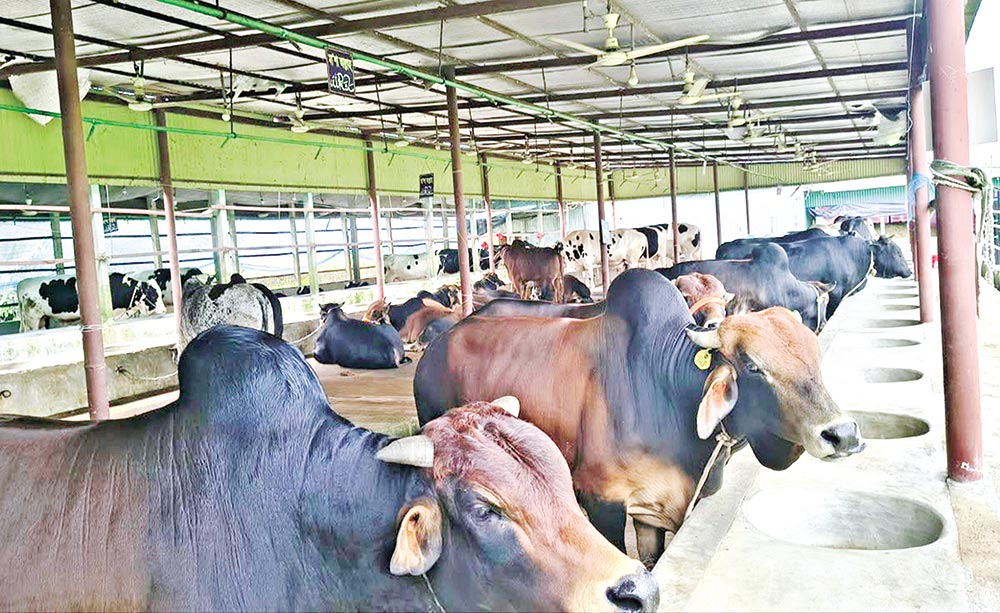 NALITABARI, SHERPUR, May 21: Farmers in the border upazila of Nalitabari in Sherpur have expressed concern over cattle smuggling from India ahead of Eid-ul-Azha, fearing it may cause sharp price falls for locally raised livestock.
According to locals, smuggling activities through the border areas have continued, and cattle trafficking networks have become active again as the Eid season approaches. They said illegally imported cattle are being sold in different local markets, creating pressure on prices of domestic livestock.
Border residents said smuggling groups have become active ahead of Eid-ul-Azha, taking advantage of the increased demand for sacrificial animals. Allegations have also been made that some local market leaseholders assist the process by issuing sale receipts in exchange for extra payments.
Local cattle farmers said rising feed costs and increased rearing expenses have already pushed them into financial pressure. They fear that if Indian cattle enter local markets, prices of domestic cattle could drop by as much as half, leading to significant losses.
Azizur Rahman, a cattle farmer from the border village of Panihaata-Tarani, said farmers are already struggling due to high production costs.
"If cattle from across the border enter the markets, prices of local cattle may fall sharply. We are demanding strict action to stop illegal entry to protect local farmers," he said.
Another farmer, Mofazzal Hossain, said smuggling networks usually become active just before Eid and bring in low-priced cattle from India into Bangladesh markets, causing local prices to drop.
"Farmers who raise cattle throughout the year end up facing losses. If smuggling is not stopped, local farmers will suffer again this year," he said, urging border forces and law-enforcement agencies to intensify operations.
Officer-in-Charge of Nalitabari Police Station Mohammad Ashraful Jannat said special instructions have been issued to prevent cattle smuggling. Patrols have been strengthened in border areas, and intelligence activities have also been increased.
Meanwhile, Upazila Livestock Officer Dr Abu Sayem said preparations for Eid-ul-Azha livestock supply are satisfactory.
"There is adequate livestock available to meet local demand. The livestock office is ensuring animal health services, disease prevention and farm monitoring," he said.
He added that 18,235 cattle are needed for Eid sacrifice in the upazila this year, while 19,111 animals have been prepared, exceeding local demand.
Upazila Nirbahi Officer and Chairman of the Anti-Smuggling Committee Md Abdul Malek said law enforcement agencies have been instructed to remain vigilant to prevent smuggling and ensure border security.
Loading...
Loading...
Also read



Editor : Iqbal Sobhan Chowdhury
Published by the Editor on behalf of the Observer Ltd. from Globe Printers, 24/A, New Eskaton Road, Ramna, Dhaka.
Editorial, News and Commercial Offices : Aziz Bhaban (2nd floor), 93, Motijheel C/A, Dhaka-1000.
Phone: PABX- 41053001-06; Advertisement: 41053012; 01793317829, 01550707291, E-mail: [email protected], [email protected] Online: email: [email protected] 41053014; 01550707297 Advertisement: 01550707296
Published by the Editor on behalf of the Observer Ltd. from Globe Printers, 24/A, New Eskaton Road, Ramna, Dhaka.
Editorial, News and Commercial Offices : Aziz Bhaban (2nd floor), 93, Motijheel C/A, Dhaka-1000.
Phone: PABX- 41053001-06; Advertisement: 41053012; 01793317829, 01550707291, E-mail: [email protected], [email protected] Online: email: [email protected] 41053014; 01550707297 Advertisement: 01550707296


