



| HEADLINE |

|
US, Iran sign initial deal to end war
Published : Thursday, 18 June, 2026 at 9:00 AM
Observer Online Desk


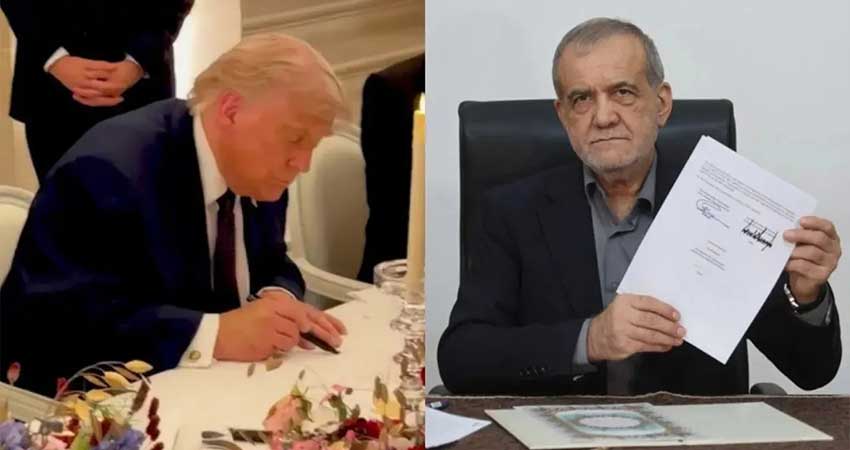
President Donald Trump and Iranian President Masoud Pezeshkian signed an initial agreement on Wednesday aimed at ending the war between the two countries, easing sanctions on Tehran and reopening the Strait of Hormuz while broader negotiations over Iran’s nuclear programme continue.
According to details released by both governments, the agreement requires Iran to dilute its stockpile of highly enriched uranium and allows the United States to waive certain sanctions, enabling Tehran to resume oil exports freely.
Pakistani Prime Minister Shehbaz Sharif, whose government helped mediate the talks, said in a post on X that the agreement took “immediate effect” after it was signed by leaders of both countries.
The accord seeks to bring a permanent end to hostilities and launches a 60-day period of negotiations aimed at reaching a final agreement on Iran’s nuclear programme. However, Trump indicated that military action could resume if the process fails.
The deal had remained largely secret for days, with US officials declining to reveal details even after saying Trump and Vice President JD Vance had digitally signed it over the weekend. Trump signed a physical copy on Wednesday while attending a dinner with French President Emmanuel Macron at the Palace of Versailles.
“It’s signed,” Trump told reporters as he left the dinner following his participation in the Group of Seven summit in France.
Video released by the White House showed Trump signing the document beside Macron before handing it to Secretary of State Marco Rubio as those present applauded.
“This was not easy,” Trump said before signing the agreement, according to footage shared by Macron.
In Tehran, state-run IRNA reported that President Pezeshkian signed the accord on behalf of Iran and released photographs showing him holding the document bearing both leaders’ signatures.
Although the full text has not been officially published, US officials outlined draft provisions to reporters on condition of anonymity, while Iranian state television later released similar details.
The agreement would largely restore conditions that existed before the conflict, including ending military operations, resuming nuclear negotiations and reopening the Strait of Hormuz, a vital route for global oil and gas supplies whose closure triggered a major energy crisis.
Under the draft terms, ships will be allowed to pass through the strait without tolls for two months, although future fees are not ruled out.
In return, Washington will move to waive some sanctions imposed on Iran, though they will not be immediately removed.
The agreement also reaffirms support for Lebanon’s territorial integrity amid Israel’s military operations against Hezbollah. This remains one of the most sensitive elements of the deal, as Iran insists Israeli forces must withdraw from occupied areas of Lebanon, a demand Israel has rejected.
The United States and Israel launched military operations against Iran on Feb. 28, arguing they were necessary to prevent Tehran from acquiring nuclear weapons. Trump had previously said the war aimed to curb Iran’s nuclear and missile programmes and its support for regional proxy groups, while at times suggesting it could contribute to regime change in Tehran.
The interim agreement falls short of many of those objectives, though Trump described it as “very strong.”
At the same time, he cautioned that the arrangement could be abandoned if negotiations do not progress.
“It’s a memorandum of understanding, and if I don’t like it, we’ll go back to shooting at them, dropping bombs,” Trump said.
The US decision to immediately permit Iranian oil sales and the prospect of eventually lifting broader sanctions represent significant concessions that go beyond the provisions of the 2015 nuclear agreement between Iran and world powers, from which Trump withdrew during his first term.
Iran continues to insist that its nuclear programme is intended for peaceful purposes.
The agreement is expected to face strong opposition in Washington and could be viewed as a setback for Israeli Prime Minister Benjamin Netanyahu, who has come under growing criticism at home over the handling of the conflict.
Pakistani officials involved in mediation said some benefits for Iran, including the release of frozen assets and the eventual lifting of sanctions, would be implemented gradually and linked to progress in future nuclear talks.
However, the immediate sanctions waivers allowing Iran to export oil remove one of Washington’s key sources of leverage during the upcoming negotiations.
Iran earned more than $46 billion from oil exports in 2024, with China remaining its largest customer despite sanctions.
The agreement also leaves open the possibility of ending all US and UN sanctions against Iran, including measures linked to weapons programmes and human rights concerns. Such a move would go well beyond the scope of the 2015 nuclear accord, which only lifted selected sanctions in exchange for major reductions in Iran’s uranium enrichment activities.
In addition, the deal includes plans for at least $300 billion in reconstruction assistance for Iran, though officials said the funding would depend on future progress in negotiations.
Vice President Vance has suggested Gulf Arab countries could provide much of that investment, though analysts note that regional governments may be reluctant to do so after suffering damage from Iranian attacks during the conflict.
Trump reiterated that the United States would not contribute financially and said other countries would decide independently whether to invest.
The agreement is also expected to provide significant relief to the global economy through the reopening of the Strait of Hormuz, a strategic waterway that previously handled around one-fifth of global oil and natural gas trade.
The closure of the strait during the conflict contributed to higher global energy prices and increased costs for a wide range of goods.
The agreement states that the US naval blockade of Iranian ports will be lifted and that shipping traffic through the strait is expected to return to pre-war levels within 30 days, although it acknowledges that Iranian naval mines may still need to be cleared.
According to details released by both governments, the agreement requires Iran to dilute its stockpile of highly enriched uranium and allows the United States to waive certain sanctions, enabling Tehran to resume oil exports freely.
Pakistani Prime Minister Shehbaz Sharif, whose government helped mediate the talks, said in a post on X that the agreement took “immediate effect” after it was signed by leaders of both countries.
The accord seeks to bring a permanent end to hostilities and launches a 60-day period of negotiations aimed at reaching a final agreement on Iran’s nuclear programme. However, Trump indicated that military action could resume if the process fails.
The deal had remained largely secret for days, with US officials declining to reveal details even after saying Trump and Vice President JD Vance had digitally signed it over the weekend. Trump signed a physical copy on Wednesday while attending a dinner with French President Emmanuel Macron at the Palace of Versailles.
“It’s signed,” Trump told reporters as he left the dinner following his participation in the Group of Seven summit in France.
Video released by the White House showed Trump signing the document beside Macron before handing it to Secretary of State Marco Rubio as those present applauded.
“This was not easy,” Trump said before signing the agreement, according to footage shared by Macron.
In Tehran, state-run IRNA reported that President Pezeshkian signed the accord on behalf of Iran and released photographs showing him holding the document bearing both leaders’ signatures.
Although the full text has not been officially published, US officials outlined draft provisions to reporters on condition of anonymity, while Iranian state television later released similar details.
The agreement would largely restore conditions that existed before the conflict, including ending military operations, resuming nuclear negotiations and reopening the Strait of Hormuz, a vital route for global oil and gas supplies whose closure triggered a major energy crisis.
Under the draft terms, ships will be allowed to pass through the strait without tolls for two months, although future fees are not ruled out.
In return, Washington will move to waive some sanctions imposed on Iran, though they will not be immediately removed.
The agreement also reaffirms support for Lebanon’s territorial integrity amid Israel’s military operations against Hezbollah. This remains one of the most sensitive elements of the deal, as Iran insists Israeli forces must withdraw from occupied areas of Lebanon, a demand Israel has rejected.
The United States and Israel launched military operations against Iran on Feb. 28, arguing they were necessary to prevent Tehran from acquiring nuclear weapons. Trump had previously said the war aimed to curb Iran’s nuclear and missile programmes and its support for regional proxy groups, while at times suggesting it could contribute to regime change in Tehran.
The interim agreement falls short of many of those objectives, though Trump described it as “very strong.”
At the same time, he cautioned that the arrangement could be abandoned if negotiations do not progress.
“It’s a memorandum of understanding, and if I don’t like it, we’ll go back to shooting at them, dropping bombs,” Trump said.
The US decision to immediately permit Iranian oil sales and the prospect of eventually lifting broader sanctions represent significant concessions that go beyond the provisions of the 2015 nuclear agreement between Iran and world powers, from which Trump withdrew during his first term.
Iran continues to insist that its nuclear programme is intended for peaceful purposes.
The agreement is expected to face strong opposition in Washington and could be viewed as a setback for Israeli Prime Minister Benjamin Netanyahu, who has come under growing criticism at home over the handling of the conflict.
Pakistani officials involved in mediation said some benefits for Iran, including the release of frozen assets and the eventual lifting of sanctions, would be implemented gradually and linked to progress in future nuclear talks.
However, the immediate sanctions waivers allowing Iran to export oil remove one of Washington’s key sources of leverage during the upcoming negotiations.
Iran earned more than $46 billion from oil exports in 2024, with China remaining its largest customer despite sanctions.
The agreement also leaves open the possibility of ending all US and UN sanctions against Iran, including measures linked to weapons programmes and human rights concerns. Such a move would go well beyond the scope of the 2015 nuclear accord, which only lifted selected sanctions in exchange for major reductions in Iran’s uranium enrichment activities.
In addition, the deal includes plans for at least $300 billion in reconstruction assistance for Iran, though officials said the funding would depend on future progress in negotiations.
Vice President Vance has suggested Gulf Arab countries could provide much of that investment, though analysts note that regional governments may be reluctant to do so after suffering damage from Iranian attacks during the conflict.
Trump reiterated that the United States would not contribute financially and said other countries would decide independently whether to invest.
The agreement is also expected to provide significant relief to the global economy through the reopening of the Strait of Hormuz, a strategic waterway that previously handled around one-fifth of global oil and natural gas trade.
The closure of the strait during the conflict contributed to higher global energy prices and increased costs for a wide range of goods.
The agreement states that the US naval blockade of Iranian ports will be lifted and that shipping traffic through the strait is expected to return to pre-war levels within 30 days, although it acknowledges that Iranian naval mines may still need to be cleared.
Loading...
Loading...
Also read


Editor : Iqbal Sobhan Chowdhury
Published by the Editor on behalf of the Observer Ltd. from Globe Printers, 24/A, New Eskaton Road, Ramna, Dhaka.
Editorial, News and Commercial Offices : Aziz Bhaban (2nd floor), 93, Motijheel C/A, Dhaka-1000.
Phone: PABX- 41053001-06; Advertisement: 41053012; 01793317829, 01550707291, E-mail: [email protected], [email protected] Online: email: [email protected] 41053014; 01550707297 Advertisement: 01550707296
Published by the Editor on behalf of the Observer Ltd. from Globe Printers, 24/A, New Eskaton Road, Ramna, Dhaka.
Editorial, News and Commercial Offices : Aziz Bhaban (2nd floor), 93, Motijheel C/A, Dhaka-1000.
Phone: PABX- 41053001-06; Advertisement: 41053012; 01793317829, 01550707291, E-mail: [email protected], [email protected] Online: email: [email protected] 41053014; 01550707297 Advertisement: 01550707296


