BARISHAL, June 18: Nearly 4,000 people in the Barishal city are at risk of HIV infection. Health experts fear that many infected individuals remain undetected due to stigma, discrimination, and limited access to healthcare services.
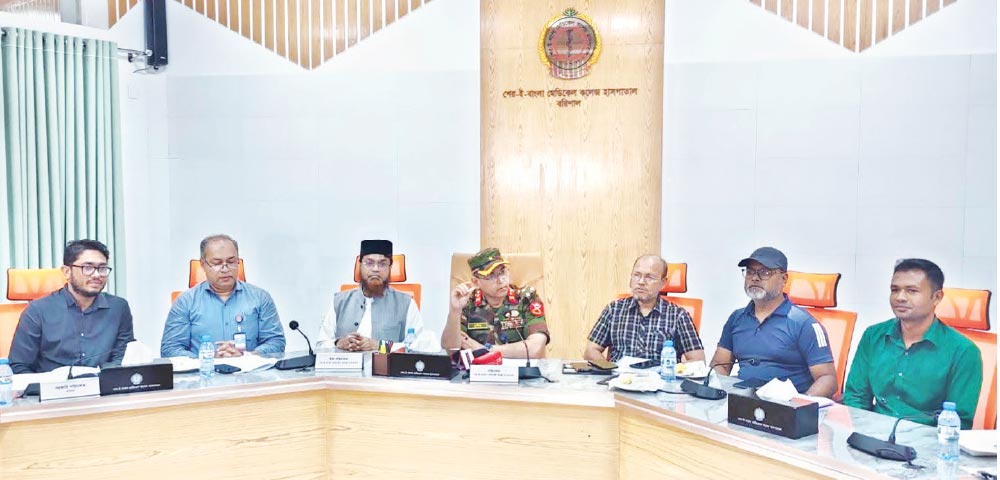
The concern was highlighted at a workshop titled ‘Human Rights and Ethical Healthcare for HIV Vulnerable Populations and People Living with HIV’ held at Sher-e-Bangla Medical College Hospital (SBMCH) on Wednesday.
Presenting the keynote paper, SBMCH Medical Officer Dr Mashrur Bin Azad said an estimated 3,707 people in the city are considered vulnerable to HIV infection. According to the data, the at-risk population includes 1,506 female sex workers, 1,436 men who have sex with men, and 765 drug users.
Health officials said a total of 205 HIV-positive individuals have so far been identified across Barishal Division. Of them, 16 have died and four have moved to other regions. Currently, 185 people are receiving treatment.
However, experts believe the actual number of infections could be higher than the official figures. Many people avoid testing or treatment because of social stigma and fear of discrimination, making it difficult to determine the true scale of HIV infection in the region.
SBMCH Director Brig Gen Dr AKM Mashiul Munir compared the situation to an iceberg. “Only a small portion of an iceberg is visible above the water, while a much larger part remains hidden underneath,” he said.
Doctors also identified widespread misconceptions about HIV as a major barrier to prevention and treatment.
Dr Mashrur said many people still believe that AIDS is a death sentence. In reality, modern treatment allows people living with HIV to lead long, healthy, and productive lives. With regular medication, the amount of virus in a person’s body can be reduced to very low levels, significantly lowering the risk of transmission, he added.
He also stressed that the virus is primarily transmitted through unprotected sexual contact, infected blood, or the use of contaminated needles.





