



| HEADLINE |

|
Can anyone apply for President post? Key qualifications and how the election works
Published : Saturday, 8 August, 2026 at 3:29 PM
Tanjeem


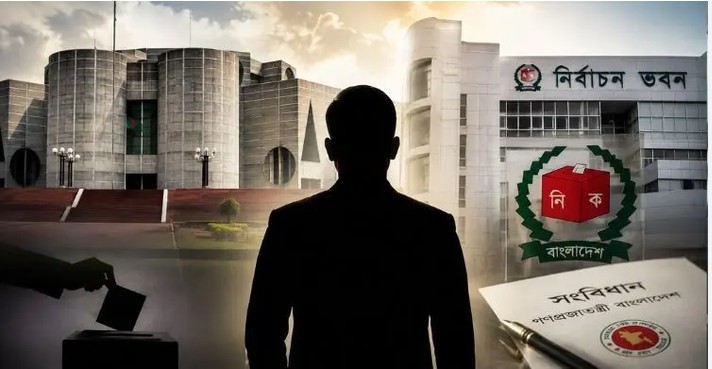
Who can become the president of Bangladesh? Can an ordinary citizen directly contest the presidential election, or must a candidate have political backing? With the country preparing to elect its next president following Mohammed Shahabuddin’s resignation, these questions have gained renewed attention.
Unlike parliamentary elections, Bangladesh’s presidential election is not conducted through a direct vote of the people. Under Article 48(1) of the Constitution, the president is elected by members of Parliament in accordance with law.
The Election Commission announces the election schedule, including the dates for nomination, scrutiny and voting, while the election is held among members of Parliament.
This means an individual cannot simply submit a nomination paper and seek votes directly from the general public in the way a parliamentary candidate does. A person must enter the constitutional presidential election process and secure the support necessary for nomination and election by MPs.
What are the constitutional qualifications?
Article 48(4) of the Constitution sets out the basic qualifications for becoming president. A person is disqualified from election as president if they are below 35 years of age, are not qualified to be elected as a member of Parliament, or have previously been removed from the office of president through impeachment under the Constitution.
Therefore, an ordinary citizen is not automatically barred from becoming a presidential candidate simply because they are not a politician. However, they must satisfy the constitutional qualifications for election as an MP and go through the prescribed presidential election process.
How is the president elected?
The process begins with the Election Commission announcing the presidential election schedule. Candidates then submit their nomination papers, which are scrutinised by the election authorities.
If more than one candidate remains valid after scrutiny and withdrawal, members of Parliament vote to elect the president. If only one candidate remains valid, that candidate can be declared elected without a contested vote under the applicable rules.
The president is elected for a five-year term. The Constitution also provides that no person may hold the office of president for more than two terms, whether or not those terms are consecutive.
A sitting MP who is elected president must vacate their parliamentary seat on the day they assume the presidency. The Constitution also states that the president cannot simultaneously be qualified for election as an MP while holding office.
What happens if the president resigns?
The issue has become particularly relevant following Mohammed Shahabuddin’s resignation from the presidency on July 24, 2026. Following his resignation, Parliament Speaker Hafiz Uddin Ahmad assumed the duties of the president under Article 54 until a new president is elected. The Cabinet Division subsequently issued a gazette confirming the arrangement.
The president is the constitutional head of state, while executive power is exercised through the government headed by the prime minister. As a result, Bangladesh’s constitutional framework provides for an indirect presidential election through Parliament rather than a nationwide popular vote.
So, can an ordinary citizen become president?
Yes, in principle-- but not through a direct public election.
A person who meets the constitutional requirements can potentially be put forward as a presidential candidate. The decisive stage is the parliamentary election process, in which members of Parliament elect the president.
In practice, however, presidential candidates are generally expected to have the backing of political parties or influential parliamentary groups because the president is elected by MPs rather than by the electorate directly.
Unlike parliamentary elections, Bangladesh’s presidential election is not conducted through a direct vote of the people. Under Article 48(1) of the Constitution, the president is elected by members of Parliament in accordance with law.
The Election Commission announces the election schedule, including the dates for nomination, scrutiny and voting, while the election is held among members of Parliament.
This means an individual cannot simply submit a nomination paper and seek votes directly from the general public in the way a parliamentary candidate does. A person must enter the constitutional presidential election process and secure the support necessary for nomination and election by MPs.
What are the constitutional qualifications?
Article 48(4) of the Constitution sets out the basic qualifications for becoming president. A person is disqualified from election as president if they are below 35 years of age, are not qualified to be elected as a member of Parliament, or have previously been removed from the office of president through impeachment under the Constitution.
Therefore, an ordinary citizen is not automatically barred from becoming a presidential candidate simply because they are not a politician. However, they must satisfy the constitutional qualifications for election as an MP and go through the prescribed presidential election process.
How is the president elected?
The process begins with the Election Commission announcing the presidential election schedule. Candidates then submit their nomination papers, which are scrutinised by the election authorities.
If more than one candidate remains valid after scrutiny and withdrawal, members of Parliament vote to elect the president. If only one candidate remains valid, that candidate can be declared elected without a contested vote under the applicable rules.
The president is elected for a five-year term. The Constitution also provides that no person may hold the office of president for more than two terms, whether or not those terms are consecutive.
A sitting MP who is elected president must vacate their parliamentary seat on the day they assume the presidency. The Constitution also states that the president cannot simultaneously be qualified for election as an MP while holding office.
What happens if the president resigns?
The issue has become particularly relevant following Mohammed Shahabuddin’s resignation from the presidency on July 24, 2026. Following his resignation, Parliament Speaker Hafiz Uddin Ahmad assumed the duties of the president under Article 54 until a new president is elected. The Cabinet Division subsequently issued a gazette confirming the arrangement.
The president is the constitutional head of state, while executive power is exercised through the government headed by the prime minister. As a result, Bangladesh’s constitutional framework provides for an indirect presidential election through Parliament rather than a nationwide popular vote.
So, can an ordinary citizen become president?
Yes, in principle-- but not through a direct public election.
A person who meets the constitutional requirements can potentially be put forward as a presidential candidate. The decisive stage is the parliamentary election process, in which members of Parliament elect the president.
In practice, however, presidential candidates are generally expected to have the backing of political parties or influential parliamentary groups because the president is elected by MPs rather than by the electorate directly.
The system therefore leaves the constitutional door open to a qualified citizen, but the route to the presidency runs through Parliament, not through a direct popular vote.
Loading...
Loading...
Also read



Editor : Iqbal Sobhan Chowdhury
Published by the Editor on behalf of the Observer Ltd. from Globe Printers, 24/A, New Eskaton Road, Ramna, Dhaka.
Editorial, News and Commercial Offices : Aziz Bhaban (2nd floor), 93, Motijheel C/A, Dhaka-1000.
Phone: PABX- 41053001-06; Advertisement: 41053012; 01793317829, 01550707291, E-mail: [email protected], [email protected] Online: email: [email protected] 41053014; 01550707297 Advertisement: 01550707296
Published by the Editor on behalf of the Observer Ltd. from Globe Printers, 24/A, New Eskaton Road, Ramna, Dhaka.
Editorial, News and Commercial Offices : Aziz Bhaban (2nd floor), 93, Motijheel C/A, Dhaka-1000.
Phone: PABX- 41053001-06; Advertisement: 41053012; 01793317829, 01550707291, E-mail: [email protected], [email protected] Online: email: [email protected] 41053014; 01550707297 Advertisement: 01550707296


