



| HEADLINE |

|
Load-shedding creates a ‘second electricity bill’
Published : Friday, 11 September, 2026 at 12:00 AM
Tanvir Raihan


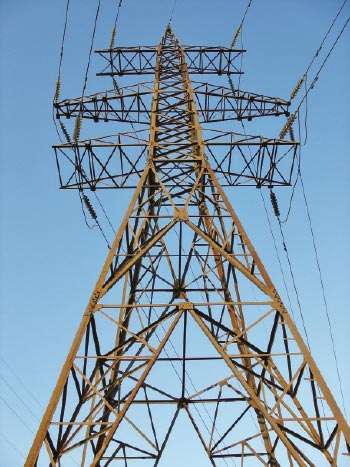 Frequent load-shedding is forcing businesses, restaurants, offices and households to spend extra on generators, diesel and maintenance on top of their regular electricity bills, effectively making them pay a “second electricity bill” to keep essential activities running.
The growing dependence on backup power is increasing operating costs for businesses while also pushing up demand for diesel, particularly in commercial and industrial areas.
According to Power Grid Bangladesh data, the country faced a power supply shortfall of 3,039 megawatts at 1am on Thursday, with demand at 16,350MW against supply of 13,311MW. The deficit remained significant at 6am, when load-shedding stood at 2,309MW.
At Mama Hotel in Nilkhet, customers remain busy from noon until late at night. Whenever electricity goes out, the hotel switches on its generator to keep fans and lights running.
“We hardly needed to use the generator before. Now power goes out suddenly, so we have to keep fuel ready all the time. Customers cannot sit and eat in the heat without fans,” said hotel owner Sujon.
The situation is similar at shops, restaurants, markets and other commercial establishments across the capital. While smaller businesses often use compact generators, larger buildings and markets depend on diesel-powered units to keep essential services running.
Moghbazar shopkeeper Ramiz Khan said power cuts disrupt fans, lights, refrigerators and other equipment.
“We are forced to run the generator when the power goes out. The more load-shedding increases, the more we have to spend on fuel,” he said.
Business owners say they cannot simply suspend operations during outages because doing so means losing customers and sales. For restaurants, uninterrupted refrigeration is also important to prevent food from spoiling.
The increased use of generators is simultaneously driving up diesel demand, according to fuel traders.
Bangladesh Petrol Pump Owners Association Convener Syed Sazzadul Karim Kabir said demand for diesel had risen significantly as businesses were operating generators for longer periods because of load-shedding. "Demand for diesel has increased significantly in Dhaka and elsewhere," he said.
Demand is particularly high in industrial areas, Kabir said, adding that some companies are collecting eight to 10 barrels of diesel at a time using small trucks.
"We cannot meet the demand as required," he said.
According to Kabir, demad has increased while supply has remained unchanged. He said vehicles capable of carrying 18,000 litres are sometimes being supplied with only 9,000 litres, making it difficult for filling stations to meet customers' requirements.
The pressure on industries is also reflected in diesel costs. A July report found that some factories facing gas and power shortages were paying higher prices for diesel to keep generators running, with some industrialists reporting payments of up to Tk10 more per litre.
The cost of backup power does not end with fuel. Longer generator operation means more frequent engine-oil changes, filter replacements, servicing and repairs. For small businesses operating on narrow profit margins, these costs can significantly reduce earnings.
Commercial buildings also depend on generators to keep elevators, security systems, lighting, computers and internet networks operational during outages. When power cuts occur several times a day, generators may have to be started repeatedly, increasing both fuel consumption and maintenance requirements.
Households are also beginning to bear the additional cost. Some families use small generators during prolonged outages to run fans, lights, routers and other essential appliances. Moghbazar resident Ashiq Rahman said generator use had become an additional household expense. "We would not have this expense if there were no power cuts. Now fuel costs are being added to our monthly household expenses," he said.
The growing use of generators has also raised safety concerns. They should never be operated inside homes, garages, basements or other enclosed spaces because exhaust can contain carbon monoxide, a colourless and odourless gas that can cause fatal poisoning.
Experts also caution against refuelling hot generators, placing them near flammable materials or overloading them. Connecting a generator directly to a building's electrical wiring without a proper transfer switch can also create fire and electrocution risks.
Loading...
Loading...



Editor : Iqbal Sobhan Chowdhury
Published by the Editor on behalf of the Observer Ltd. from Globe Printers, 24/A, New Eskaton Road, Ramna, Dhaka.
Editorial, News and Commercial Offices : Aziz Bhaban (2nd floor), 93, Motijheel C/A, Dhaka-1000.
Phone: PABX- 41053001-06; Advertisement: 41053012; 01793317829, 01550707291, E-mail: [email protected], [email protected] Online: email: [email protected] 41053014; 01550707297 Advertisement: 01550707296
Published by the Editor on behalf of the Observer Ltd. from Globe Printers, 24/A, New Eskaton Road, Ramna, Dhaka.
Editorial, News and Commercial Offices : Aziz Bhaban (2nd floor), 93, Motijheel C/A, Dhaka-1000.
Phone: PABX- 41053001-06; Advertisement: 41053012; 01793317829, 01550707291, E-mail: [email protected], [email protected] Online: email: [email protected] 41053014; 01550707297 Advertisement: 01550707296


