



| HEADLINE |

|

'Carbon-intensive militarism'
Published : Thursday, 17 September, 2026 at 12:00 AM


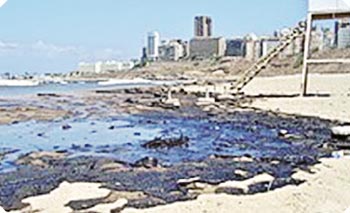
The climate finance gap is worsened as countries cut international development aid to redirect funds toward higher military spending. World War II was wide-ranging in its destruction of humans, animals, and materials. The postwar effects of War both ecological and social, are still visible decades after the conflict ended. New technology was used to create aircraft, which were used to conduct air raids. Ecosystems also suffer from noise pollution which is produced by military aircraft. Unfortunately, none of this appears in any country's emissions reports to the United Nations Framework Convention on Climate Change (UNFCCC).
World War I (1914-1918)
The first World War (WW I) saw chemicals especially chlorine, phosgene, and mustard gas used heavily. Over 100,000 tons of toxic gas was produced by the end of the war in 1918. For the most part gas masks neutralized advantages. Gas injured many soldiers but it did not change the course of the war. There were no permanent environmental effects.
World War II (1939�"1945)
World War II was wide-ranging in its destruction of humans, animals, and materials. The postwar effects of World War II, both ecological and social, are still visible decades after the conflict ended.
In August 1945, after fighting World War II for almost four years, the USA dropped an atomic bomb over the city of Hiroshima in Japan. About 70,000 people died in the first nine seconds after the bombing of Hiroshima, which was comparable to the death toll which resulted from the devastating Operation Meetinghouse air raid over Tokyo. Three days after the bombing of Hiroshima, the United States dropped a second atomic bomb on the industrial city of Nagasaki. Marine ecosystems during World War II were damaged not only from chemical contaminates, but also from wreckage from naval ships, which leaked oil into the water.
 Vietnam War (1959-1975)
The Vietnam War had significant environmental implications due to chemical agents which were used to destroy militarily-significant vegetation. Enemies found an advantage in remaining invisible by blending into a civilian population or taking cover in dense vegetation and opposing armies which targeted natural ecosystems. The US military used "more than 20 million gallons of herbicides to defoliate forests, clear growth along the borders of military sites and eliminate enemy crops.
Gaza War (2023-)
Accumulated waste in Gaza There has been extensive environmental damage caused by the ongoing Israeli invasion of the Gaza Strip (itself a part of the Gaza war),[41] including the destruction of agricultural land, displacement of people, bombing of Gaza, the Israeli blockade, and famine in the Gaza Strip. By March 2024, nearly half of the farmland in Gaza had been destroyed.
Israel�"Iran conflict (2025)
During the conflict major oil and gas complexes were damaged and large scale disruption in oil supply can emerge.
Russian invasion of Ukraine (2022-)
This section is an excerpt from Environmental impact of the Russo-Ukrainian war.edit
The Russian invasion of Ukraine has led to ongoing widespread and possibly serious and long-term environmental damage. The Ukrainian government, journalists and international observers describe the damage as ecocide.

Loading...
Loading...
Also read



Editor : Iqbal Sobhan Chowdhury
Published by the Editor on behalf of the Observer Ltd. from Globe Printers, 24/A, New Eskaton Road, Ramna, Dhaka.
Editorial, News and Commercial Offices : Aziz Bhaban (2nd floor), 93, Motijheel C/A, Dhaka-1000.
Phone: PABX- 41053001-06; Advertisement: 41053012; 01793317829, 01550707291, E-mail: [email protected], [email protected] Online: email: [email protected] 41053014; 01550707297 Advertisement: 01550707296
Published by the Editor on behalf of the Observer Ltd. from Globe Printers, 24/A, New Eskaton Road, Ramna, Dhaka.
Editorial, News and Commercial Offices : Aziz Bhaban (2nd floor), 93, Motijheel C/A, Dhaka-1000.
Phone: PABX- 41053001-06; Advertisement: 41053012; 01793317829, 01550707291, E-mail: [email protected], [email protected] Online: email: [email protected] 41053014; 01550707297 Advertisement: 01550707296


