



| HEADLINE |

|

World Trauma Day: Why healing must go beyond physical injuries
Published : Saturday, 17 October, 2026 at 3:09 PM
Observer Online Report


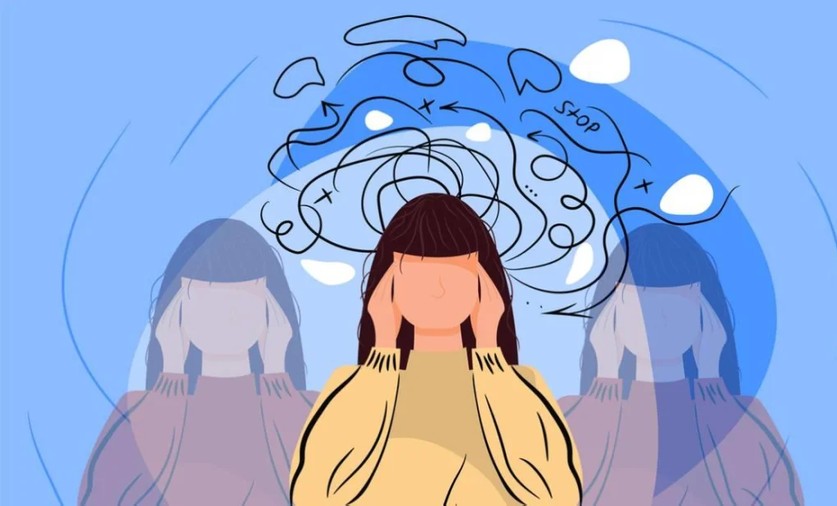
Road crashes, fires, violence and abuse can leave deep physical and psychological scars. While physical injuries are often visible, emotional trauma can remain hidden, affecting a person's life long after a distressing experience.
Recurring memories, fear, anxiety and sleep disturbances can persist following a traumatic event, highlighting the importance of awareness, timely medical care and mental health support.
According to commonly cited accounts, World Trauma Day was first observed in New Delhi, India, in 2011. The initiative aimed to highlight the need to reduce deaths and serious injuries from road crashes and improve access to emergency medical care.
Trauma generally refers to both physical injuries and psychological distress resulting from distressing or life-threatening experiences.
Physical trauma can result from road crashes, falls from heights, burns and violence. Without prompt and appropriate treatment, serious injuries can lead to complications.
Psychological trauma, meanwhile, may develop after experiences such as severe accidents, natural disasters, abuse, violence or witnessing the sudden death of a loved one.
Reactions to traumatic experiences differ from person to person. Some people recover from the initial distress relatively quickly, while others experience symptoms that persist for months or longer.
Common signs of psychological trauma include: repeated, distressing memories of the event, nightmares and difficulty sleeping, persistent fear, anxiety or feelings of guilt, irritability and mood changes, withdrawing from family, friends or social activities, avoiding places or situations that trigger memories of the incident, difficulty concentrating at work or school
Following an accident or serious injury, symptoms such as heavy bleeding, difficulty breathing, loss of consciousness, severe pain or confusion require immediate medical attention.
Listening without judgment, avoiding blame and offering support can help people cope with the aftermath of traumatic experiences.
Family members, friends and other trusted individuals can play an important role in recovery. When distress persists, professional help from a psychiatrist or a trained mental health practitioner may be necessary.
World Trauma Day serves as a reminder that reducing the impact of trauma requires more than treating visible injuries. Preventing accidents and violence, ensuring timely emergency care and addressing psychological distress are all essential to recovery.
Healing, after all, involves caring for both the body and the mind.
Recurring memories, fear, anxiety and sleep disturbances can persist following a traumatic event, highlighting the importance of awareness, timely medical care and mental health support.
World Trauma Day is observed on October 17 to raise awareness about trauma and emphasise the importance of prompt medical treatment for people injured in accidents and acts of violence.
When did World Trauma Day begin?
According to commonly cited accounts, World Trauma Day was first observed in New Delhi, India, in 2011. The initiative aimed to highlight the need to reduce deaths and serious injuries from road crashes and improve access to emergency medical care.
Since then, October 17 has been observed in various countries to promote trauma awareness and the importance of timely intervention.
What is trauma and what causes it?
Trauma generally refers to both physical injuries and psychological distress resulting from distressing or life-threatening experiences.
Physical trauma can result from road crashes, falls from heights, burns and violence. Without prompt and appropriate treatment, serious injuries can lead to complications.
Psychological trauma, meanwhile, may develop after experiences such as severe accidents, natural disasters, abuse, violence or witnessing the sudden death of a loved one.
However, not everyone who experiences a distressing event develops long-term psychological problems. People's responses vary depending on the circumstances and their individual experiences.
Recognising the signs of psychological trauma
Reactions to traumatic experiences differ from person to person. Some people recover from the initial distress relatively quickly, while others experience symptoms that persist for months or longer.
Common signs of psychological trauma include: repeated, distressing memories of the event, nightmares and difficulty sleeping, persistent fear, anxiety or feelings of guilt, irritability and mood changes, withdrawing from family, friends or social activities, avoiding places or situations that trigger memories of the incident, difficulty concentrating at work or school
If these symptoms persist or interfere with daily life, seeking help from a mental health professional is important. Trauma-related conditions, including post-traumatic stress disorder (PTSD), can be treated effectively.
When do physical injuries require emergency care?
Following an accident or serious injury, symptoms such as heavy bleeding, difficulty breathing, loss of consciousness, severe pain or confusion require immediate medical attention.
Even when an external wound appears minor, internal injuries may be serious. Medical assessment is therefore essential to determine the extent of an injury and ensure appropriate treatment.
How to support trauma survivors
Listening without judgment, avoiding blame and offering support can help people cope with the aftermath of traumatic experiences.
Family members, friends and other trusted individuals can play an important role in recovery. When distress persists, professional help from a psychiatrist or a trained mental health practitioner may be necessary.
Evidence-based treatments are available for trauma-related conditions, including PTSD, and early recognition can help people access appropriate care.
Prevention and timely care remain key
World Trauma Day serves as a reminder that reducing the impact of trauma requires more than treating visible injuries. Preventing accidents and violence, ensuring timely emergency care and addressing psychological distress are all essential to recovery.
Healing, after all, involves caring for both the body and the mind.

Loading...
Loading...
Also read







Editor : Iqbal Sobhan Chowdhury
Published by the Editor on behalf of the Observer Ltd. from Globe Printers, 24/A, New Eskaton Road, Ramna, Dhaka.
Editorial, News and Commercial Offices : Aziz Bhaban (2nd floor), 93, Motijheel C/A, Dhaka-1000.
Phone: PABX- 41053001-06; Advertisement: 41053012; 01793317829, 01550707291, E-mail: [email protected], [email protected] Online: email: [email protected] 41053014; 01550707297 Advertisement: 01550707296
Published by the Editor on behalf of the Observer Ltd. from Globe Printers, 24/A, New Eskaton Road, Ramna, Dhaka.
Editorial, News and Commercial Offices : Aziz Bhaban (2nd floor), 93, Motijheel C/A, Dhaka-1000.
Phone: PABX- 41053001-06; Advertisement: 41053012; 01793317829, 01550707291, E-mail: [email protected], [email protected] Online: email: [email protected] 41053014; 01550707297 Advertisement: 01550707296


