



| HEADLINE |

|

Child abuse in Madrasas threatens public trust in education
Published : Sunday, 25 October, 2026 at 4:55 PM
Aamir Al Hamza


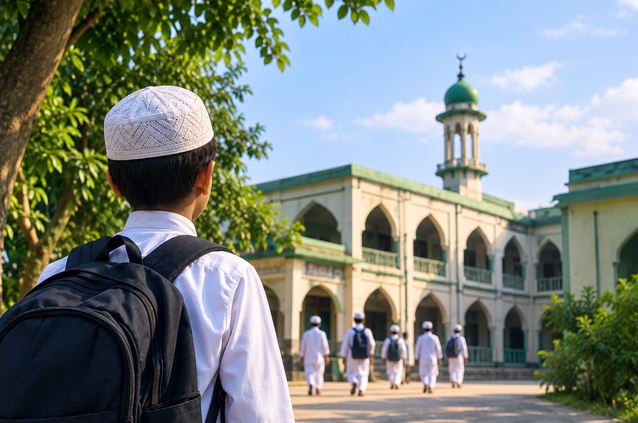
Reports of sexual abuse and violence against children in madrasas across Bangladesh have raised serious concerns over child safety, institutional accountability and regulatory oversight, highlighting the urgent need for effective safeguarding measures to protect students and restore public trust in education.
Recognition and regulatory oversight
Bangladesh has different streams of madrasa education, including Alia and Qawmi institutions, independent Hifz madrasas and Quran-learning centres. Their administrative structures and recognition arrangements differ, so not every institution outside the mainstream government education system should be considered unregistered or illegal.
Nevertheless, institutions operating without required approvals, adequate supervision or transparent management raise legitimate concerns. The government must identify these institutions, clarify their regulatory status and ensure compliance with applicable laws.
Registration alone cannot guarantee safety. Every institution providing education or residential care to children needs regular inspections, confidential complaint mechanisms and effective safeguarding policies.
Authorities must take responsibility
The Ministry of Education, the Directorate of Madrasah Education, the Bangladesh Madrasah Education Board and relevant Qawmi madrasa authorities must clearly define and fulfil their respective responsibilities.
A nationwide review should assess institutional recognition, management, teacher recruitment and child-protection arrangements. Staff should undergo appropriate background checks, while residential facilities must be regularly inspected.
Serious allegations must be investigated promptly and impartially. Institutional leaders must not suppress complaints to protect their reputations. Where criminal conduct is suspected, the appropriate law-enforcement authorities must be involved, with due process respected and children's safety prioritised.
The silence of religious scholars
Another concerning issue is the reluctance of some religious scholars and influential figures to speak out when allegations of abuse emerge from madrasa institutions.
Institutional loyalty and fears of reputational damage may discourage public criticism. However, remaining silent in the face of credible allegations does not protect Islam or preserve the dignity of religious scholars. It risks undermining their moral authority.
Not every silent scholar supports wrongdoing, and allegations must be investigated fairly. Nevertheless, anyone who knowingly conceals abuse or pressures victims to remain silent must be held accountable.
Religious scholars are influential voices in society, and people expect them to stand for justice and protect the vulnerable. If they repeatedly appear to defend institutions rather than children, public trust in their leadership may gradually decline.
Protecting a religious institution's reputation must never take precedence over protecting a child. Genuine religious leadership requires transparency, courage and a commitment to justice.
A threat to islamic education and public trust
If allegations of abuse continue without effective action, public confidence in madrasa education could suffer significantly. Parents may become reluctant to enrol their children in madrasas, while some may gradually turn away from religious education altogether.
Such a development would be damaging to the wider educational and religious landscape. The misconduct of particular individuals should not be used to condemn all madrasas or Islamic education. Equally, religious identity must never shield anyone from scrutiny or accountability.
Those who wish to protect the credibility of Islamic education must confront abuse rather than conceal it. Justice, compassion and the protection of vulnerable children should be demonstrated through action, not merely taught in classrooms.
The impact could extend to entire educational institutions
The consequences are not limited to madrasas. When children are abused in institutions entrusted with their care, public confidence in the wider education system is also threatened.
If parents begin to doubt the ability of schools, madrasas, colleges and residential institutions to protect their children, trust in teachers, administrators and regulatory authorities will weaken.
Child protection must therefore become a national priority across all educational institutions. No institution should receive preferential treatment because of its religious identity, social influence or reputation.
Parents and children have a role
Parents should verify an institution's legal status where applicable, understand its management structure and ask about staff recruitment, residential supervision and complaint procedures before enrolling their children.
Regular communication is equally important. Children should feel safe discussing uncomfortable experiences without fear of punishment or disbelief. They should receive age-appropriate guidance about personal boundaries, inappropriate behaviour and seeking help from trusted adults.
However, the responsibility for preventing abuse rests primarily with adults and institutions, not children.
Breaking the culture of silence
Social stigma, institutional pressure and fear of reputational damage can discourage victims and their families from reporting abuse. Such silence undermines justice and may expose other children to further harm.
Religious leaders, community representatives and madrasa boards must reject abuse and support lawful investigations. The media must report allegations responsibly, protect children's identities and distinguish between allegations and proven offences.
Victims must also receive appropriate medical care, psychological support and legal assistance. No institution should be allowed to resolve serious criminal allegations through pressure or concealment.
Protecting children is protecting education
Bangladesh needs a comprehensive child-protection framework covering schools, madrasas and residential educational institutions. Regular inspections, accessible complaint mechanisms, transparent investigations and effective enforcement must become standard practice.
The objective is not to stigmatise madrasas but to ensure that every institution fulfils its responsibility towards the children entrusted to its care.
If authorities fail to act, the consequences could extend beyond individual institutions, damaging public confidence in madrasa education, religious leadership and the wider education system.
The government must enforce the law, madrasa authorities must accept accountability, religious scholars must uphold their moral responsibilities, and parents must remain vigilant.
No child should have to choose between education and personal safety. Protecting children is a legal obligation, a moral responsibility and the foundation of public trust in every educational institution.
The issue is not religious education itself. Madrasas have a longstanding place in Bangladesh's educational and religious traditions. However, repeated allegations of abuse demand a closer examination of regulatory oversight, institutional accountability and child-protection mechanisms.
Recognition and regulatory oversight
Bangladesh has different streams of madrasa education, including Alia and Qawmi institutions, independent Hifz madrasas and Quran-learning centres. Their administrative structures and recognition arrangements differ, so not every institution outside the mainstream government education system should be considered unregistered or illegal.
Nevertheless, institutions operating without required approvals, adequate supervision or transparent management raise legitimate concerns. The government must identify these institutions, clarify their regulatory status and ensure compliance with applicable laws.
Registration alone cannot guarantee safety. Every institution providing education or residential care to children needs regular inspections, confidential complaint mechanisms and effective safeguarding policies.
Authorities must take responsibility
The Ministry of Education, the Directorate of Madrasah Education, the Bangladesh Madrasah Education Board and relevant Qawmi madrasa authorities must clearly define and fulfil their respective responsibilities.
A nationwide review should assess institutional recognition, management, teacher recruitment and child-protection arrangements. Staff should undergo appropriate background checks, while residential facilities must be regularly inspected.
Serious allegations must be investigated promptly and impartially. Institutional leaders must not suppress complaints to protect their reputations. Where criminal conduct is suspected, the appropriate law-enforcement authorities must be involved, with due process respected and children's safety prioritised.
The silence of religious scholars
Another concerning issue is the reluctance of some religious scholars and influential figures to speak out when allegations of abuse emerge from madrasa institutions.
Institutional loyalty and fears of reputational damage may discourage public criticism. However, remaining silent in the face of credible allegations does not protect Islam or preserve the dignity of religious scholars. It risks undermining their moral authority.
Not every silent scholar supports wrongdoing, and allegations must be investigated fairly. Nevertheless, anyone who knowingly conceals abuse or pressures victims to remain silent must be held accountable.
Religious scholars are influential voices in society, and people expect them to stand for justice and protect the vulnerable. If they repeatedly appear to defend institutions rather than children, public trust in their leadership may gradually decline.
Protecting a religious institution's reputation must never take precedence over protecting a child. Genuine religious leadership requires transparency, courage and a commitment to justice.
A threat to islamic education and public trust
If allegations of abuse continue without effective action, public confidence in madrasa education could suffer significantly. Parents may become reluctant to enrol their children in madrasas, while some may gradually turn away from religious education altogether.
Such a development would be damaging to the wider educational and religious landscape. The misconduct of particular individuals should not be used to condemn all madrasas or Islamic education. Equally, religious identity must never shield anyone from scrutiny or accountability.
Those who wish to protect the credibility of Islamic education must confront abuse rather than conceal it. Justice, compassion and the protection of vulnerable children should be demonstrated through action, not merely taught in classrooms.
The impact could extend to entire educational institutions
The consequences are not limited to madrasas. When children are abused in institutions entrusted with their care, public confidence in the wider education system is also threatened.
If parents begin to doubt the ability of schools, madrasas, colleges and residential institutions to protect their children, trust in teachers, administrators and regulatory authorities will weaken.
Child protection must therefore become a national priority across all educational institutions. No institution should receive preferential treatment because of its religious identity, social influence or reputation.
Parents and children have a role
Parents should verify an institution's legal status where applicable, understand its management structure and ask about staff recruitment, residential supervision and complaint procedures before enrolling their children.
Regular communication is equally important. Children should feel safe discussing uncomfortable experiences without fear of punishment or disbelief. They should receive age-appropriate guidance about personal boundaries, inappropriate behaviour and seeking help from trusted adults.
However, the responsibility for preventing abuse rests primarily with adults and institutions, not children.
Breaking the culture of silence
Social stigma, institutional pressure and fear of reputational damage can discourage victims and their families from reporting abuse. Such silence undermines justice and may expose other children to further harm.
Religious leaders, community representatives and madrasa boards must reject abuse and support lawful investigations. The media must report allegations responsibly, protect children's identities and distinguish between allegations and proven offences.
Victims must also receive appropriate medical care, psychological support and legal assistance. No institution should be allowed to resolve serious criminal allegations through pressure or concealment.
Protecting children is protecting education
Bangladesh needs a comprehensive child-protection framework covering schools, madrasas and residential educational institutions. Regular inspections, accessible complaint mechanisms, transparent investigations and effective enforcement must become standard practice.
The objective is not to stigmatise madrasas but to ensure that every institution fulfils its responsibility towards the children entrusted to its care.
If authorities fail to act, the consequences could extend beyond individual institutions, damaging public confidence in madrasa education, religious leadership and the wider education system.
The government must enforce the law, madrasa authorities must accept accountability, religious scholars must uphold their moral responsibilities, and parents must remain vigilant.
No child should have to choose between education and personal safety. Protecting children is a legal obligation, a moral responsibility and the foundation of public trust in every educational institution.

Loading...
Loading...
Also read





Editor : Iqbal Sobhan Chowdhury
Published by the Editor on behalf of the Observer Ltd. from Globe Printers, 24/A, New Eskaton Road, Ramna, Dhaka.
Editorial, News and Commercial Offices : Aziz Bhaban (2nd floor), 93, Motijheel C/A, Dhaka-1000.
Phone: PABX- 41053001-06; Advertisement: 41053012; 01793317829, 01550707291, E-mail: [email protected], [email protected] Online: email: [email protected] 41053014; 01550707297 Advertisement: 01550707296


