



| HEADLINE |

|

Masjid al-Haram marks 100yrs of unified prayer behind single imam
Published : Wednesday, 28 October, 2026 at 2:11 PM
Observer Online Report


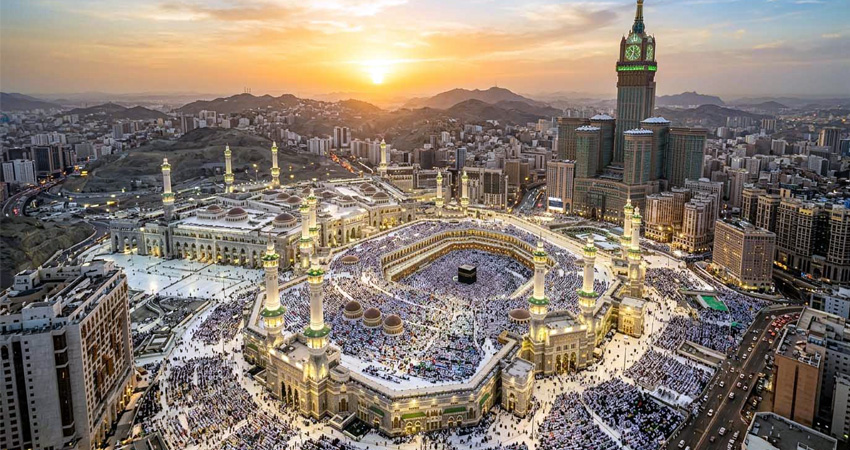
Symbolic Photo
Makkah's Grand Mosque, Masjid al-Haram, completed 100 years of unified congregational prayers led by a single imam after King Abdulaziz abolished separate sectarian prayer groups in 1926.
For centuries, followers of the four major Islamic schools of jurisprudence—Shafi'i, Hanafi, Maliki, and Hanbali—performed prayers sequentially at four designated locations within the mosque. Shafi'i followers typically prayed first, followed by the Hanafi, Maliki, and Hanbali congregations, resulting in multiple prayer sessions for the same prescribed time.
This practice began around the 5th and 6th centuries of the Hijri calendar and persisted under various rulers until the early 20th century. Historical accounts confirm that worshippers gathered at dedicated spots to pray behind imams of their respective schools.
On October 27, 1926, King Abdulaziz ordered an end to the tradition following consultations with Islamic scholars of Hejaz and Nejd. The decision established a single congregation led by one imam for each prayer.
The ruling eliminated separate prayer locations and ended repeated congregations for the same prayer time. Worshippers now stand together in unified rows behind one imam per prayer, restoring the practice established during the time of the Prophet Muhammad (PBUH) and his companions.
Over the past century, this unified prayer system has remained unchanged, enabling millions of Muslims from around the world to pray together at Masjid al-Haram. It stands as one of the most enduring reforms introduced during the early era of Saudi administration.
-SA

Loading...
Loading...
Also read






Editor : Iqbal Sobhan Chowdhury
Published by the Editor on behalf of the Observer Ltd. from Globe Printers, 24/A, New Eskaton Road, Ramna, Dhaka.
Editorial, News and Commercial Offices : Aziz Bhaban (2nd floor), 93, Motijheel C/A, Dhaka-1000.
Phone: PABX- 41053001-06; Advertisement: 41053012; 01793317829, 01550707291, 01550707296
E-mail: [email protected], [email protected]. [email protected], [email protected], [email protected], [email protected], Online-email: [email protected]


